
What human antibiotics can be given to cats?
Antibiotics (antibacterial agents) are substances of natural or synthetic origin that inhibit the growth and reproduction of living cells, primarily protozoa and prokaryotes. Antibiotics intended for humans are identical in composition to those used to treat animals. They have the same active ingredients, and in most cases, the same names. The difference lies in the concentration of the active ingredients; in veterinary drugs, it is much lower. Only a doctor can decide. Which human antibiotics can be given to cats, and which are strictly prohibited.
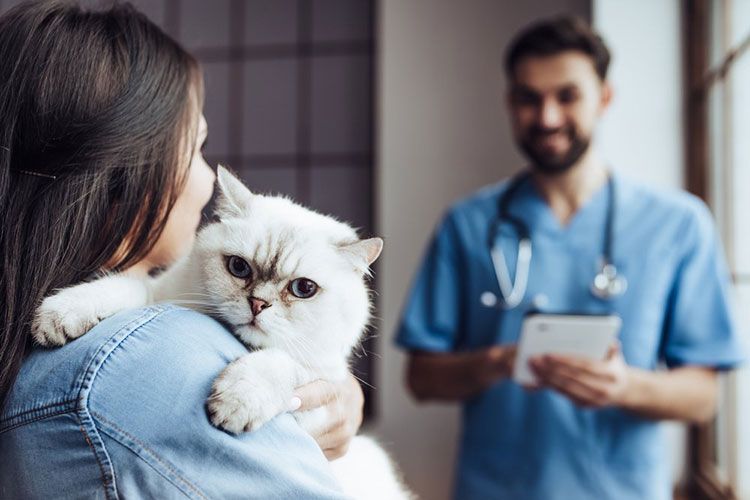
The reason is that when using "human" medications on cats, there is a high risk of dosage error: it is difficult to accurately divide a tablet or the contents of an ampoule into 6, 8, or 12 parts. Exceeding the required dose can lead to intoxication, while too small a dose can lead to bacterial resistance to the medication.
Content
Types of antibiotics that can be given to both humans and cats
Of the antibiotics intended for humans, the following types can be given to cats:
- Beta-lactams. This group includes penicillins, derivatives of the mold fungus Penicillium (Penicillin, Ampicillin, Oxacillin, Amoxicillin, Phenoxymethylpenicillin, Vetrimoxin, Amuril) and cephalosporins obtained on the basis of aminocephalosporanic acid (Cephaloridine, Cephalexin, Cefuroxime, Cefoperazone, Ceflodoxime, Ceftriaxone).
- Tetracyclines, Macrolides. This is a large group of broad-spectrum antibiotics belonging to the class of polyketides (metabolites formed in bacterial cells). In veterinary medicine, the following are used: Azithromycin, Sumamed, Tetracycline, Oxytetracycline, Chlortetracycline, Doxycycline, Aquatil, Aivlozin, Disparcol, Macrolan. Tylosin, Erythromycin, Nifulin.
- Aminoglycosides. Semi-synthetic antibiotics, the main indications for which are severe systemic infections - sepsis (blood poisoning) or peritonitis (inflammation of the peritoneum), as drugs in this group are highly toxic. Representatives of aminoglycosides include streptomycin, gentamicin, kanamycin, and amikacin.
- Levomycetins (Levomycetin, Levonisol, Synthomycin, Iruksol). Bactericidal drugs of the amphenicol group are active against most pathogens causing purulent and intestinal infections, as well as meningococcal infections. However, the use of these drugs is limited due to severe side effects.
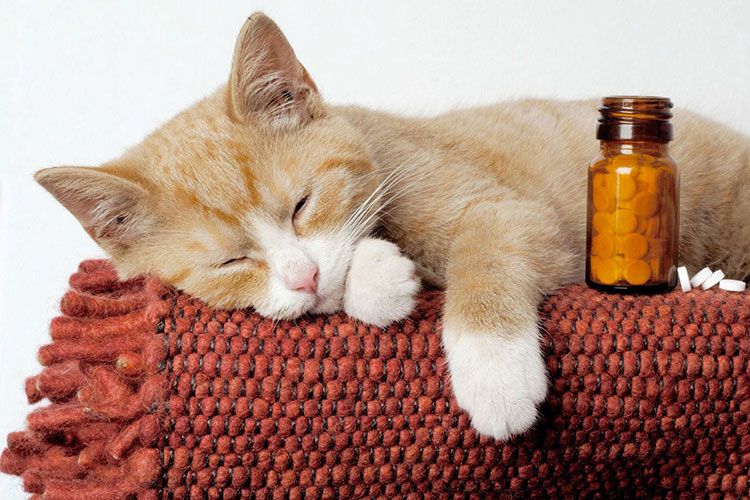
- Glycopeptides and lipoglycopeptides. A group of highly specific antibiotics used to treat severe infections caused by gram-positive bacteria. Popular examples include vancomycin, dalbavancin, teicoplanin, and telavancin.
- Lincosamides. Depending on the dosage, these bactericidal drugs have either bacteriostatic or bactericidal effects. Lincosamides are indicated for cats with respiratory, soft tissue, bone, joint, and internal organ infections.
- Nitrofurans. Synthetic antibiotics active against gram-positive and gram-negative bacteria, chlamydia, and some types of protozoa.
Viral infections are not treated with antibacterial agents, since non-cellular organisms, which viruses are, do not respond to antibiotics.
When cats are prescribed antibiotics
There are many illnesses where it's virtually impossible to treat a pet without antibiotic therapy. But even in the most critical situations, the decision about whether to give your cat human antibiotics and which ones exactly, only a veterinarian should take!
The most common infectious diseases:
- diseases of the respiratory system (bronchitis, sinusitis, pneumonia);
- genitourinary infections (urethritis, cystitis, pyelonephritis and others);
- intestinal infections caused by shigella, salmonella, clostridia and other bacteria;
- inflammation of the hepatobiliary system (liver, pancreas, gallbladder);
- diseases of soft tissues (mastitis, folliculitis, furunculosis) and joints (arthritis, bursitis, synovitis);
- lesions of the central and peripheral nervous system (meningitis, borreliosis, neuritis).
A course of antibiotic therapy is also prescribed to cats in the postoperative period to prevent the development of wound infection.
The veterinarian decides which antibiotic to prescribe for a cat, and whether it's appropriate at all. Each medication has its own side effects and contraindications. When choosing an antibacterial agent and its dosage, the veterinarian will consider the animal's age and weight, the type and severity of the disease, the presence of concomitant diseases, and other factors.
Watch this video to see how easy and simple it is to give your cat a pill:
Read also:


Add a comment