
How to protect your dog from ticks
Many products have been developed to protect dogs from ticks and fleas. Most of these are chemicals that can affect the animal's health. Therefore, it's important to know the best way to protect your dog from ticks and whether there are any folk remedies for controlling the parasites.
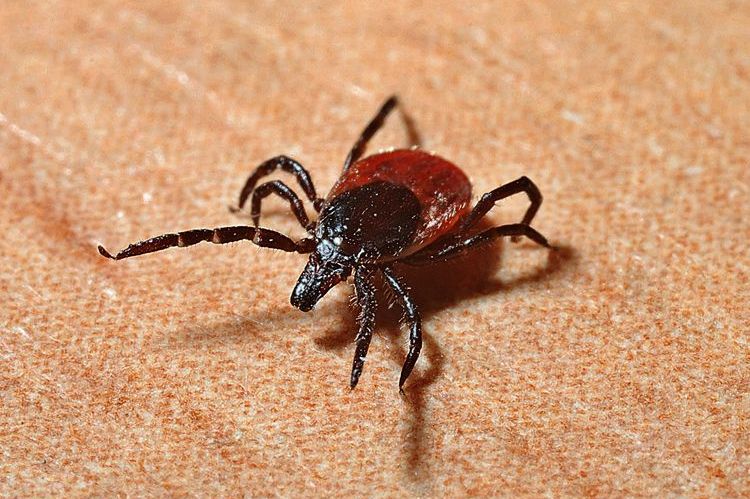
Content
Forms of tick medications
- DropsThe most popular option, suitable for animals with different coat lengths and thicknesses. Means Apply to the withers, which is very convenient because the dog won't be able to lick itself and thus become poisoned. The dosage is calculated based on weight. For the drops to be effective, it is recommended not to bathe your pet for three days before and three days after treatment. The effectiveness lasts approximately four weeks.
Caution! Do not use on puppies, pregnant or nursing dogs.
- Spray. Suitable for smooth-coated breeds. Unlike drops, it can be used on puppies over 2 months old. The downside is that it's applied locally and requires frequent reapplication. The spray can be used to protect your dog from ticks outdoors, for example, when hunting with your pet. This product helps neutralize ticks that have already infested your pet.
- Collar, impregnated with a special compound. The chemicals react with skin secretions and penetrate the fur. The collar's purpose is not to kill the parasite, but to repel it. This is an excellent way to protect your dog from ticks and fleas at home, as it must be worn constantly. One collar will last you at least 3-4 months!
- Powder. Plus – it can be used on long-haired breeds. Apply the powder to ticks' favorite spots and comb it along the entire length of the coat. When using the powder, carefully monitor the concentration to prevent accidental inhalation of chemicals. The powder can be used as a preventative treatment for indoor areas. This effectively protects indoor dogs living near outdoor animals from ticks.
- Tablets. A substance that paralyzes the tick accumulates in the blood. These tablets can help protect your dog during long outdoor activities.

Popular types of anti-tick drugs
- Carbamates. They are most often used to impregnate collars. Among the most popular are: Bolfo collars, Bansect, Kiltix, Zodiac. Carbamates begin to act immediately after a tick enters the fur. They block its nervous system, disrupting its feeding process, leading to its death. Carbamates are effective not only against ticks but also help protect your dog from fleas. The downside of these products is that the parasite quickly becomes accustomed to the active ingredients.
- Amidines also block nerve impulses in ticks and repel them. Unlike carbamates, amidines are not addictive. Their drawback is that they cannot be used in puppies or small breeds. Amidines are the main ingredient in Promeris drops and the Preventic collar.
- Pyrethroids. They have a paralytic effect on ticks, but are safe for dogs. A benefit of this substance is its ability to accumulate in the sebaceous glands, providing a prolonged effect. However, pyrethroids are quite allergenic. They are the basis of drops. Leopard, Zodiac+, VetCare, UltraGuard, Celandine, Scalibor collars, Mr.Bruno, Bars, Dana.

- Phenylpyrazoles. These only affect the pest. Of all tick repellents, they have the lowest toxicity for animals. They can protect your dog from virtually all types of ticks, as well as fleas and lice. When exposed to phenylpyrazoles, arthropods quickly lose energy and die due to their erratic, rapid movements. These products contain two types of phenylpyrazoles: fipronil and pyriprole (water-resistant). This Frontline dropsMr. Bruno+, Effitix; spray BlokhNet+, Fyprist; drops, spray and collar Bars Forte.
- Isoxazolines are found in tick-repellent tablets. They can be used on all breeds. They are quickly absorbed into the bloodstream and act on the pest after the bite. They are effective against X-ticks and fleas.
Caution! For maximum effect, combine products with different compositions, but avoid overdosing on any one active ingredient. This will prevent the arthropod from developing immunity to the product.
How to protect your dog from ticks using folk remedies
Animals with allergies and dogs that only go outside for walks do not need to use chemical tick repellents, but can rely on folk remedies.
- Preventive examination. This is mandatory after every walk. Risk areas include behind the ears, the muzzle, armpits, and the abdomen. If a tick is found, take your pet to the veterinarian. If this is not possible, carefully remove the tick with tweezers and treat the area with hydrogen peroxide. For long-haired breeds, the examination should be combined with a combing.
- Coat treatment. Essential oils – parasites are wary of them. Stock up on tea tree, lavender, eucalyptus, and lemon oils. Mix them with water and alcohol in a 1:10:1 ratio and spray onto the dog's flanks. Caution! Avoid contact with the muzzle and eyes. For puppies, you can use a single oil. The essential oil mixture can be applied to a fabric collar, but be sure to use a diluted concentration.

- Herbal bathing. A popular folk remedy is a decoction of wormwood and garlic. Tar soap is also successfully used to help protect your dog from fleas.
- Protecting your territory. If you live in a private home and take your puppy or lap dog outside for a walk, create a border of geranium or marigold bushes around the area. You can also rub the juice of these plants on your pet's fur. This will repel arthropods.
- Special clothing. A coverall that will cover all problem areas. This protection is especially effective for puppies that cannot be treated with chemicals.
Read also:
- Subcutaneous mites in dogs: symptoms and treatment
- How to remove a tick from a dog at home
- My dog was bitten by a tick: what to do
We recommend


Add a comment