
How to remove a tick from a dog at home
Ticks are blood-sucking parasites that pose a serious threat to humans and animals. Their peak activity occurs in the spring and fall—from March to May and from August to October. They most often inhabit forests and clearings, where they lie in wait for prey in tall grass or bushes, and can also fall from trees. The risk of tick infection remains even in urban environments. Therefore, the question of how to remove a tick from a dog at home remains a pressing issue for many owners, as it's not always possible to urgently visit a veterinarian.
Content
Why are ticks dangerous for dogs?
Ticks carry dangerous infections that are transmitted by vectors. The greatest threat to dogs is piroplasmosis, a disease that destroys red blood cells and causes a sharp drop in hemoglobin levels. The disease progresses very quickly: the first signs can appear as early as 2-4 days after the bite. The dog becomes lethargic, loses activity and appetite, and experiences severe muscle pain. Fever increases, vomiting, and dark urine are possible. In severe cases, without treatment, the animal may lapse into a coma.
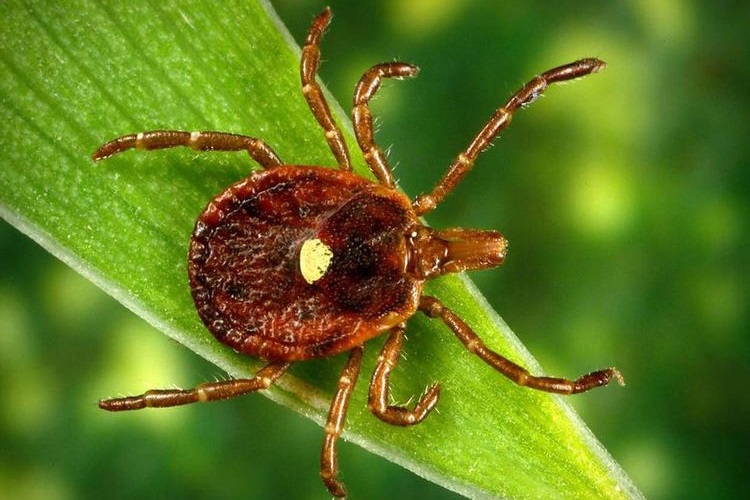
Piroplasmosis is fatal in 90% of cases. This dismal statistic is due to the failure to seek veterinary care promptly. If bitten, it's crucial to act quickly, as delays can result in costly treatment, serious complications, and even death. That's why it's important to know how to remove a tick from a dog before it transmits the entire host of pathogens contained in its saliva.
How to spot a tick on a dog
To remove a parasite, you first need to find it. This isn't easy, especially if your dog has long hair. While palpating the skin, look for an unusual bump that wasn't previously noticed.
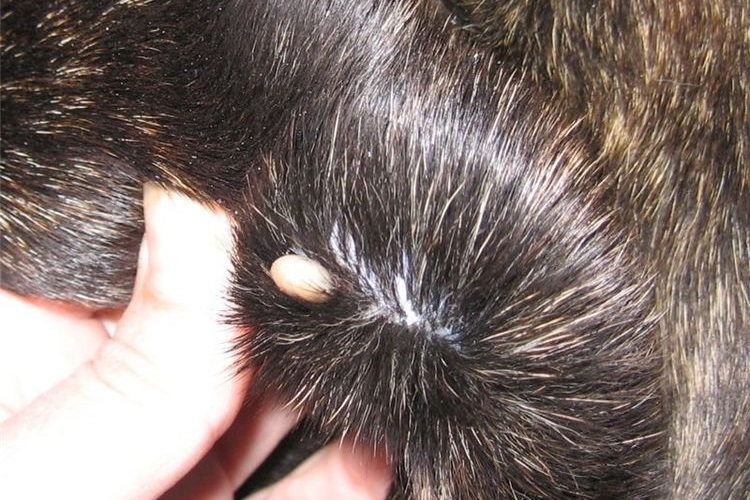
At A tick bites a dog With its trunk and paws, equipped with microscopic hook-like spines, it literally fuses with the skin, becoming pea-like in color, brown, black, gray, or dirty pink (depending on the parasite species). Even if the dog scratches itself, it can't dislodge the insect. Moreover, the parasite doesn't attach immediately. It needs to find a place where blood vessels are closest to the skin: behind the ears, in the outer ears, on the neck, on the inner and back of the legs, and in the groin.
How to remove a tick correctly
The best thing to do is take your pet to the vet, but if that's not possible, you'll have to do it yourself. If your dog doesn't allow you to examine it, it's likely in pain. Therefore, it's advisable to use local anesthesia (lidocaine, novocaine).
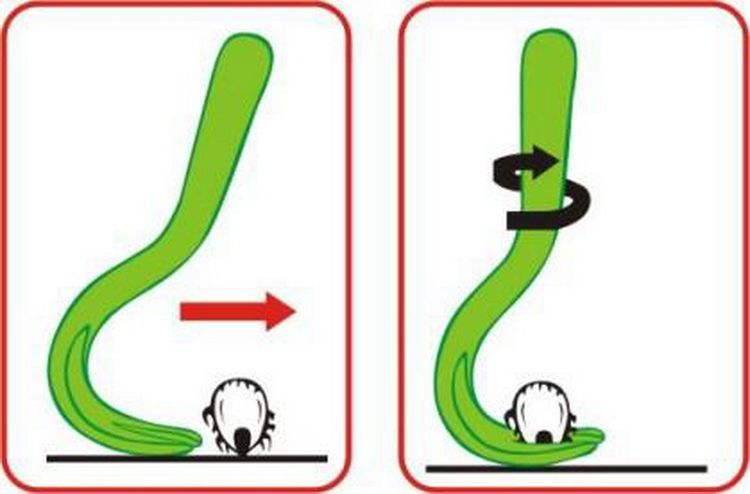
Information on how to remove a tick from a dog at home can be easily found online. The easiest way to do this is with a special tick removal tweezers called a Tick Twister, which are available at veterinary pharmacies. Removing the tick is very easy—just grasp it with the Tick Twister and twist it a few times. The parasite removed with this right-angled tool is undamaged and suitable for subsequent analysis in a lab, where it should be taken. If the tick was a carrier of infection, you'll know about it sooner before your dog shows any signs of infection, buying you valuable time for treatment.
In addition to tweezers, you'll need rubber gloves, cotton wool, a small container, and a disinfectant (alcohol or hydrogen peroxide). Iodine and brilliant green are not recommended.
How to properly remove a tick from a dog:
- Wear gloves. There's a risk of the tick bursting, which could lead to infection.
- Calm your dog. If you don't have any painkillers on hand, ask someone else to help you hold the animal.
- Use tweezers to grasp the parasite as close to the head as possible. Do not tug on the insect; do so carefully, otherwise you will tear off its head or legs, which can lead to suppuration and inflammation.
- Twist the body of the flare counterclockwise, gradually pulling it out.
- After removing the insect, place it in a jar. To keep the tick alive, place a cotton ball soaked in water in the jar. Screw the lid on tightly. The maximum time to submit the parasite to the lab is 2 days.
- Treat the wound with a disinfectant solution.
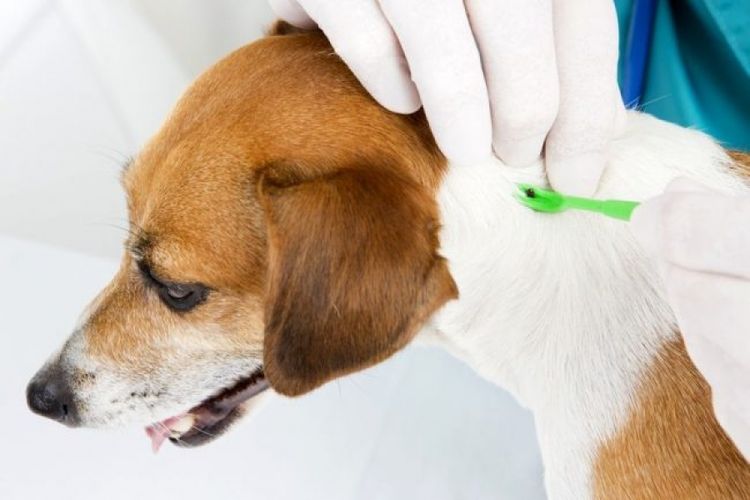
You can also remove the arthropod using regular cosmetic tweezers, but in this case, you should position the tips horizontally, not vertically or at an angle.
Unfortunately, dog owners often make mistakes that cost their pets their lives. For example, they use oil or various aggressive liquids (gasoline, kerosene), which supposedly force the tick to come out by blocking its breathing. This is unacceptable! The parasite will die, but it will remain under the animal's skin, inevitably leading to infection.
Moreover, a tick coated with any liquid will not be accepted into the laboratory.
Read also about the following tick repellents on our website: Kiltex - tick collar, tablets and drops against ticks.
What to do after removing a tick
After a tick has been removed from a dog, it must be disposed of properly. It's best to place the tick in a sealed bag, small jar, or container and take it to a lab. A test will determine whether the tick carried piroplasmosis or Lyme disease. If testing is not possible, do not crush the tick with your hands, as there is a high risk of infection. In this case, it should also be placed in a sealed container and discarded.
It's important for owners to remember that even with prompt tick removal, there's still a risk of infection and dangerous complications. The best option is to take the dog to the veterinarian as soon as possible, but this isn't always possible. In this case, it's important to closely monitor the pet for a month after the bite, as symptoms may not appear immediately, but after an incubation period.
You should contact a veterinarian immediately if at least one of the following signs appears:
– a sharp decrease in the dog’s activity;
– apathy, lack of reaction to what is happening, inhibition and lethargy;
– increase in body temperature;
– refusal to eat due to increased thirst;
– the appearance of shortness of breath, changes in the color of the mucous membranes (paleness or yellowness);
– an alarming symptom is bowel disorder and a change in urine color to orange, reddish or brown.
Don't ignore any changes in your dog's behavior after a tick bite. If any abnormalities occur, contact your veterinarian the same day.
What to do if a tick's head is torn off
If the tick's head remains under the skin due to improper handling, this can lead to infection and suppuration of the wound. How do you remove a tick's head from a dog? Without wasting time, try to find a black spot on your pet's skin that resembles a splinter. Try to remove it with a thin, long needle, which should be heated in a flame first. Be sure to disinfect the wound.
If you cannot see the head, take your dog to a veterinary clinic immediately, where the vet will make an incision and remove the remaining parasite.
Preventive measures
Any disease is easier to prevent than to treat. The best way to protect yourself from dangerous arthropods is to take preventative measures. During tick season, avoid your pet's contact with stray animals and keep them from playing in areas with dry, tall grass.
Use special anti-tick products, shampoos, and collars that repel parasites.

After each walk, inspect your dog for ticks, carefully feeling the coat. This should be done no sooner than 2-3 hours after returning from outside, so that the tick has swollen enough to be detected.
You can also ask our website's staff veterinarian a question, who will answer them as quickly as possible in the comments box below.
Read also:


Add a comment