
How to remove a tick from a cat
A tick bite poses the same danger to a cat as it does to a human. Therefore, if you discover a tick on your pet, it should be removed immediately. This can be done by a veterinarian or at home.
Content
Why are tick bites dangerous for cats?
The tick attaches to the skin and begins sucking blood, injecting saliva that may contain pathogens that carry dangerous diseases. Cats are highly sensitive to bites, and some infections can cause severe complications.
The most dangerous consequences include:
-
inflammation at the site of the bite;
-
anemia with multiple bites;
-
transmission of diseases such as piroplasmosis, haemobartonellosis, borreliosis;
-
allergic reactions.
It is important for owners to remember that symptoms of the disease may appear several days or weeks after the bite.
How to detect a tick
If your cat frequently goes outside, it's important to carefully inspect it for parasites upon returning home. This can be done by combing its fur in all directions.
The parasite can be identified by the following distinctive features:
- The body is round, brownish, grey or black in colour.
- When attached to the skin, only the body remains exposed, looking like a brown, flat droplet. A well-fed parasite is much easier to spot. When it has fed on blood, its body turns pinkish and increases in size. Closer inspection reveals a small head and several pairs of legs (3-4).
Ticks most often attach to areas with thin skin: behind the ears, on the abdomen, and in the armpits. The cat itself doesn't feel the bite because the tick secretes saliva containing anesthetic substances.

Preparing to remove a tick
Before beginning the procedure, prepare everything you need. This will help avoid mistakes and reduce the risk of infection.
What you may need:
-
special tweezers or hooks for removing ticks;
-
gloves;
-
antiseptic for skin treatment;
-
a small container with a lid to place the parasite;
-
cotton pads.
It is advisable to carry out the procedure in a calm environment, with the cat restrained so that it does not move during removal.
How to remove a tick correctly
If you discover a parasite on your pet, it should be removed as quickly as possible. It's best to wear rubber gloves during the procedure to avoid accidental infection. This will also reduce the risk of damaging the pet's skin.
Step-by-step instructions:
- secure the cat;
- treat the bite site, instruments and hands with an antiseptic;
- Start pulling out the tick using gentle circular movements clockwise.
There are two methods for removing ticks from cats. Let's look at each in more detail:
- Using your hands or tweezers, grasp the body with your fingers or the instrument in the immediate vicinity of the proboscis. When pulling, use slow movements, rocking from side to side. Always hold the instrument parallel to the skin. Next, treat the bite site with any antiseptic (brilliant green solution, iodine, chlorhexidine).
- Using a syringe. This method is less common. A portion of the syringe (needle end) is cut off and pressed firmly against the tick. The air is then slowly pumped out. The tick is expelled due to the pressure difference. The bite site is then treated.
Basic methods of tick removal
There are several methods used by veterinarians and experienced owners.
| Method | Principle | Risks |
|---|---|---|
| Tweezers | Grasp the tick at the base and twist it out | High probability of success, but sudden movements may damage the parasite's head. |
| Special hook ("O'Tom", "Tick Twister") | It lifts the tick and allows you to unscrew it smoothly. | The safest and most recommended method |
| Thread | A loop is tied at the base and carefully pulled out | Less convenient, risk of crushing a tick |
It is not recommended to use oil, alcohol, or creams before removal, as this may cause the parasite to produce more saliva containing pathogens.
After removal, the parasite is always destroyed. The tick can be sealed and taken to a laboratory for testing. This should be done within the first 48 hours after the bite. Statistics show that one in five ticks carries an infection.
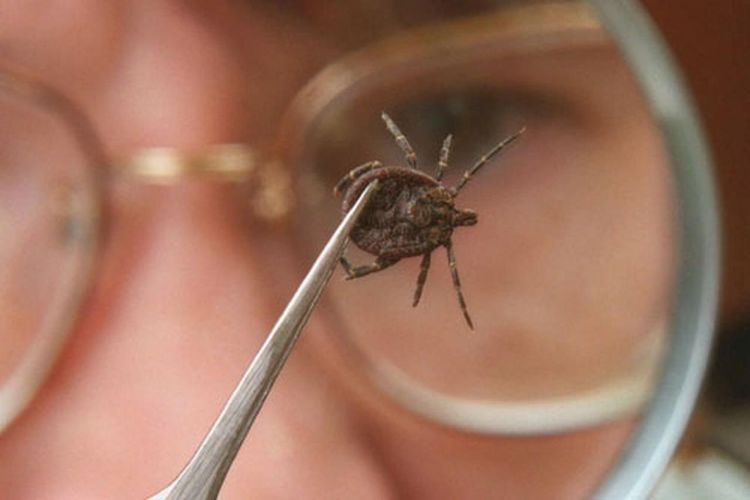
What is prohibited:
- Do not use lubricants (oil, Vaseline, etc.). The tick will suffocate and die, making removal more difficult.
- Don't crush the tick; it's better to soak it in alcohol or burn it. Crushing the tick increases the risk of infection.
- Avoid sudden movements. Leaving the head under the skin can promote inflammation.
If you're afraid to remove the tick yourself, it's best to seek help from a veterinarian. They'll perform the procedure quickly and professionally.
What to do after removing a tick
After removal, the bite site should be treated with antiseptic. The tick itself can be kept in a closed container and, if necessary, taken for testing if your pet shows any alarming symptoms.
Your cat should be monitored for two to three weeks. It's important to monitor its appetite, activity, and the condition of its mucous membranes. If lethargy, refusal to eat, pale gums, or a high fever occur, consult a veterinarian immediately.
If the head remains
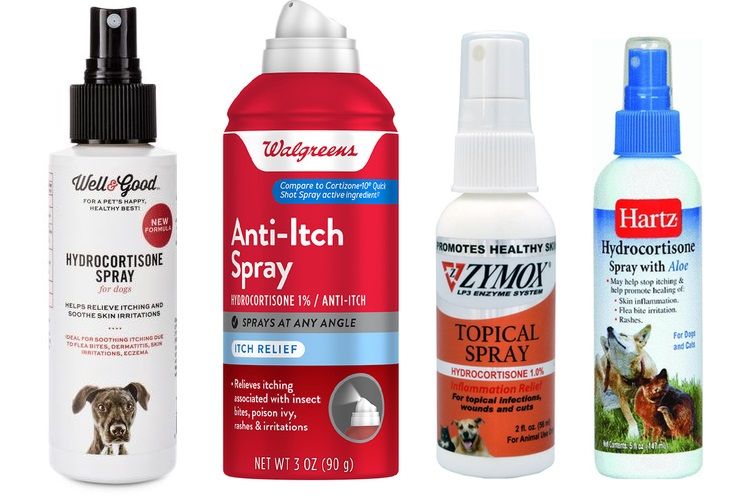
The head, left under the skin, is almost always clearly visible. Removing it isn't difficult. Use a sewing needle, disinfect it, and scrape out the remaining part of the insect. Afterward, treat the wound with an antiseptic. If it does become infected, you can use a hydrocortisone spray.
Common mistakes when removing ticks
Many owners make mistakes that can lead to complications.
The most common of them are:
-
attempting to remove a tick with a sharp movement;
-
crushing the parasite with fingers;
-
use oil or alcohol before removal;
-
ignoring wound treatment after the procedure.
These actions increase the risk of infection and prolongation of the inflammatory process.
Prevention of infection
During the first month after a tick bite, closely monitor your pet, noting any changes in its behavior. This is the incubation period for infectious diseases carried by ticks. Allergies may also develop. The following signs should raise concern:
- poor appetite;
- lethargy;
- weight loss;
- dull coat;
- presence of itching;
- high temperature;
- change in urine color;
- problems with stool.
Cats are vaccinated against encephalitis—they receive a prophylactic immunoglobulin. The vaccine is not free, but the safety and health of your beloved pet are worth it.

Bite prevention
Cats that live or roam near forests (for example, at a dacha) are at risk. To protect them, there are numerous antiparasitic medications available at veterinary pharmacies. These are designed to repel insects and ticks. Here are some suitable options:
- Sprays and drops applied to the withers are the most effective, but they are toxic and have a short-term effect. Avoid allowing animals to lick them off their fur.
- CollarsThin rubber straps are impregnated with a special compound. They are less toxic, but prolonged contact with skin may cause allergic reactions or irritation. It's best to wear them only when walking and remove them at home.
Traditional methods: myths and reality
The internet often recommends using sunflower oil, kerosene, or Vaseline. However, modern veterinary specialists note that such methods are ineffective and even dangerous. They can cause the tick to produce more saliva, increasing the risk of infection.
Table of preventive measures
| Type of product | Advantages | Flaws |
|---|---|---|
| Collars | Long-term protection (up to 8 months) | May cause allergies, not suitable for kittens |
| Drops | Easy to use, protection for up to a month | Needs to be updated regularly |
| Sprays | Suitable for short-term protection | Care must be taken when handling |
| Pills | Long lasting, convenient | Prescribed only by a veterinarian |
Every owner wants their pet to be healthy. Therefore, during the warmer months, it's important to pay extra attention to your cat's safety and use tick preventatives.
Read also:


Add a comment