
How and which kitten to choose?
Are you determined to get a pet? We recommend checking out recommendations from veterinarians and breeders to help you understand how to choose the right kitten, what to look for when meeting one for the first time, and which feline is best for you.
Breed
For most beginning breeders, the question of how to choose a kitten is associated with the process of selecting the optimal breed in all respects, one that can adapt to the conditions and schedule of its owners.

Today, there is a huge variety of breeds, representatives of which differ in a number of parameters:
- exterior (length of coat, color, muzzle, tail beauty, body shape);
- size(there are both miniature breeds and truly giant ones, like Maine Coon);
- character (not all breeds are equally friendly and easy to get along with children or other animals);
- health characteristics (some breeds have their own most common diseases);
- at the price (The more exotic the breed, the higher the cost of the kitten and the cost of caring for the adult animal in the future).
Important! First of all, it's important to clearly define the purpose for which you're buying the animal.
If you're looking for a pet for your own enjoyment and aren't prepared to spend significant amounts of money on its upkeep, transport it to shows in Russia and abroad, or breed it, you might consider choosing an inexpensive breed or even getting a beautiful, non-pedigree pet.
If the reason for purchasing a kitten is an interest in a particular breed and a desire to participate in breeding such cats, the choice must be approached with extreme care. Experienced breeders recommend that those planning to purchase a pedigree cat follow these simple rules:
- buy a baby only from trusted breeders (in a nursery or through a club);
- carefully review the parents' pedigree and the documents issued for the kitten;
- Don't chase a low price (remember, good show-class kittens and animals that have value for future breeding cannot be cheap).
Floor
A cat or a female cat – the eternal questionThere's no clear answer. It all depends on your preferences, personality, lifestyle, and whether you have other cats in the apartment.

It is worth noting that among representatives of both sexes there are those who are gentle and affectionate, as well as those who display aggressiveness, both phlegmatic and cheerful, both sociable and those who love solitude.
Before making your choice, we suggest you familiarize yourself with the positive and negative aspects noted by breeders.
Cats
|
pros |
cons |
|
+ no problems with kittens + more often than cats are sociable and affectionate + They pay well for mating representatives of rare breeds |
— instincts force a cat to mark its territory — hormonal odor — Two cats rarely get along in an apartment. |
Important! The problem of unpleasant odor that appears after puberty in cats can be solved by sterilization.
However, not all owners are ready to take this step. Moreover, it's important to know that sterilization will bar purebred animals from shows, and many breeders sell top-quality puppies only on the condition that the animal participates in breeding programs.
Read on for more details on how to choose a healthy purebred male kitten.
Cats
|
pros |
cons |
|
+ cleanliness + less than cats need communication + less noisy and demanding than cats in everyday life + Pedigree kittens are quite expensive |
— kittens (if this is undesirable) — a loud period of "concern" every 3-4 months — Sometimes cats can become aggressive due to hormonal changes. |
Important! Spaying a female cat is also possible, but it is more traumatic than abdominal surgery for male cats, and the animal will have a long recovery period.
There are other ways to solve the problem of "anxiety," during which cats become extremely loud:
- by arranging a meeting with a cat for your pet (of course, if you want kittens);
- by purchasing special hormonal drugs as recommended by a veterinarian, which will help eliminate unwanted symptoms.
Age
When planning to bring a pet into your home, it's important to know not only how to choose a kitten (girl or boy), but also at what age the kitten should move to its new home.
Important! Veterinarians recommend adopting kittens between 3 and 4 months of age.
A kitten is considered to be ready to move if:
- the weaning process is complete and the baby is accustomed to special foods;
- the first vaccinations have been given and after them the period necessary for the development of immunity has passed;
- at least successfully started getting acquainted with the litter box (children learn this skill better from their mother).
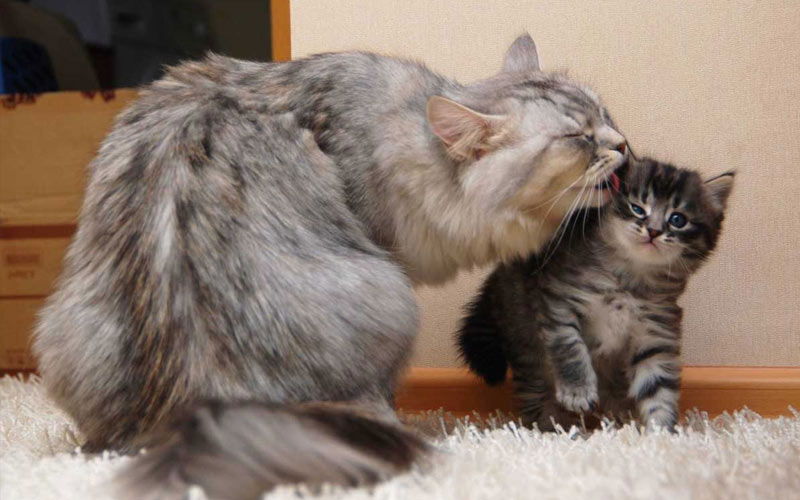
If you take a kitten too early, there are a variety of possible consequences:
- diseases (after all, kittens’ immunity is not yet formed until 12 weeks);
- behavioral problems (remember that separation from family is also stressful for a child);
- nutritional problems and tray.
Naturally, no one is stopping you from visiting a breeder or cattery and choosing your kitten much earlier. In this case, the kitten will be marked, and you will be able to monitor its development and progress until it is completely ready for adoption.
Pre-orders are even available for elite kittens from titled parents. You can arrange to purchase a kitten even during the cat's pregnancy.
Character
When you first meet a kitten, don't rush to attract its attention, pick it up, or pet it. Stand a little distance away and observe how the kitten you like behaves in its natural environment. Cats, like people, have different personalities:
- mischievous and inquisitive;
- persistent and demanding;
- timid and indecisive.
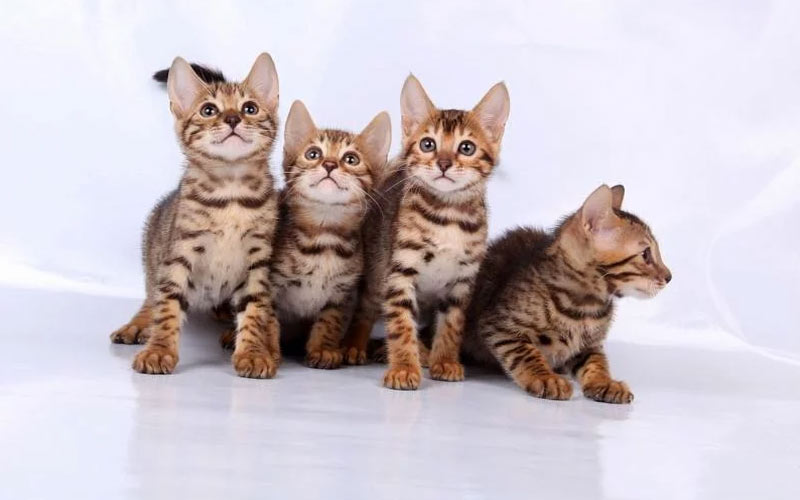
Remember that you can't change a pet's temperament. If you adopt an active, vocal, and attention-seeking pet, you must satisfy its need for social interaction. At the same time, you shouldn't expect a calm, timid, or phlegmatic pet to be constantly ready to play and interact.
Health
Now we've reached the most important point: how to choose a kitten that's not only beautiful and interesting, but also healthy. Of course, if you buy a purebred animal from a reputable cattery or reputable breeder, the likelihood of problems is minimal. However, if you're choosing one of the many online ads, it's worth inspecting the kitten thoroughly when you first see it.
The following points should arouse suspicion:
- unhealthy (unkempt) appearance of fur and the presence of fleas;
- dry hot nose;
- discharge from the ears with an unpleasant odor;
- painful, dull eyes, presence of purulent discharge (for some breeds, clear tears are normal);
- a hard or too large belly (this may indicate illness, poor nutrition, or the presence of helminths);
- signs of diarrhea under the tail (inflammation, matted fur, fecal residue).

Remember, kittens aged 3-4 months have a confident gait. They are active and playful when awake and always respond happily to any treats.
Conclusion
Don't give in to emotions and approach the choice of a pet with both an open heart and a cool head. Remember that treatment can be lengthy, and a cat that's not a good fit for your personality and lifestyle can cause a lot of problems.
May your new pet join your family with ease and joy and become a source of bright, positive emotions!
Also see advice from an experienced breeder:
Read also:
- How to determine how many months old a kitten is
- What to name a gray male kitten
- How to find common ground with a cat





Add a comment