
Choosing a puppy: a joyful and very important event
So, you want to get a dog. Great! And if your decision is well-thought-out, planned, and approved by all family members, then this article will serve as an excellent guide to choosing a small pet. By following these recommendations, you can avoid common mistakes and choose the right puppy.
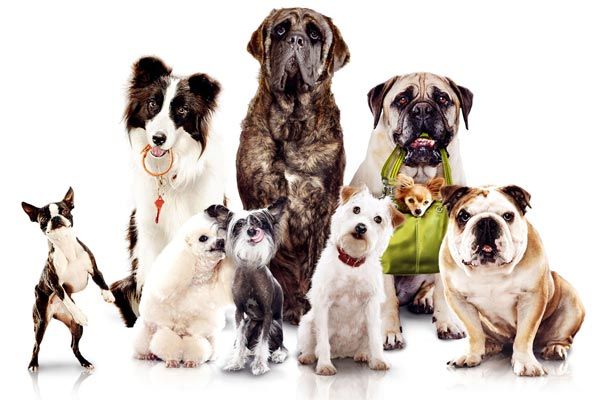
The diversity of breeds today is astounding and surprising. You'll encounter all sorts of dogs on the street. From the smallest toy terriers to giant mastiffs, from the fluffiest to the practically hairless. Typically, everyone has one or two favorite breeds, so the issue here isn't as pressing as choosing the right puppy of your favorite breed.
Content
Choosing a Puppy: Friend or Star
So which puppy should you choose?
Dog classes
All purebred dogs can be roughly divided into three types.
The first type is the pet class.
These are common pets, animals with no remarkable appearance, who are not intended for breeding or attending any shows. They are friends and companions. Their cost is usually relatively low, although it often depends on the breeder.
The second type is breed class.
These dogs have fairly high conformation standards. They participate in shows, and with proper management, they can produce high-quality stock. Most breeding stock are of this type. They are much more expensive than pet-class dogs.
The third type is show class or exhibition.
There aren't many such dogs, and they can safely be called close to the ideal breed standard. These are "blue blood" animals. Experts know them by name. Acquiring such a dog is not easy; sometimes the wait for one lasts for years. They invariably win prizes at shows, but it's worth noting that in breeding, they don't always live up to expectations. Their prices are very high.
Color and gender of the puppy
The color and gender of your future puppy is a purely personal choice and depends solely on your preferences. It's worth noting that males are generally more independent, while females are generally gentle and docile.
But again, this isn't a rule. A good breeder will always help you choose a puppy that meets your needs and preferences. Unfortunately, dog breeding today is, in most cases, a business-as-usual and has nothing to do with maintaining the breed or any selective breeding.
Pros and cons for boys and girls
- A female dog requires more attention. There's a common misconception that a female dog needs to give birth at least once in her life. This process is certainly not easy for an unprepared owner.
- When a female dog is in heat, you should always keep her on a leash to avoid any unpleasant incidents, including her simply running away. You'll then have to deal with the hassle of searching for the missing dog.
- Boys, in turn, are considered more aggressive.
- You also need to understand that during a walk, a male dog will always be active and eager to be with other dogs: you will have to restrain him from time to time or even hold him back completely if, for example, a female dog in heat is nearby.
It is very important not to make a mistake when choosing a nursery. Often novice dog breeders They brazenly deceive, passing off an ordinary dog as a high-bred, and even falsifying "puppy certificates" and pedigrees. A reputable kennel doesn't need to advertise near every pet store and often has its own website with all the necessary information.
Choosing a nursery
Once you've decided on a breed and class, start looking for a kennel. You should know everything about your chosen breed. Read relevant literature and familiarize yourself with some aspects of canine terminology. This will help you in the future care and training of your pet.
It's crucial to understand the pricing policy for this breed. Buying from somewhere cheaper will likely result in you getting not an excellent representative of the breed, but rather a simulacrum with a rather poor exterior and possibly even a host of various acquired and hereditary diseases.
Call the breeders and don't hesitate to ask to see the puppies. If it's a great kennel with nothing to hide, they'll be happy to give you a tour, show off the puppies and parents, and let you spend as much time as you want. If it's just a regular breeder's kennel, your stay will likely be short-lived.
Conditions of keeping in the nursery
Before choosing a puppy, carefully examine their living conditions. It's crucial to do this before you see those cute, fluffy faces that can cloud your judgment.
Pay attention to the breeder's attitude toward you. It should be friendly, but accompanied by a series of questions that will help them determine whether they can trust you with one of their pets. A reputable breeder will never keep their pets in cages; you're buying a dog, not a rabbit. Aviaries The puppies should be kept clean and the air in the room should be fresh.
If your chosen breed isn't a guard dog, fighting dog, or other "formidable" breed, the nursing bitch should be present with the litter. Her appearance is also important. The dog shouldn't be emaciated or lethargic, but should have a normal build and frame, and be reasonably alert. Inquire about the puppies, asking to see their pedigrees, any diplomas and certificates, and preferably to see the mating certificate and preliminary tests for genetic diseases.
A good breeder will most likely offer to look at a whole album with photographs of their stud dogs.
Your visit to the breeder doesn't necessarily end with purchasing a puppy. First, you get to know them and observe them. Perhaps none of the colors catch your eye, in which case you should keep looking or wait for the next litter.

Choosing a puppy: what to look for
You can pick up a puppy no earlier than 45 days.
The idea that younger puppies adapt more easily to a new home is a mistake. For example, abroad, it's common to buy dogs between six months and 12 months old. During this time, teeth are changing, the coat is acquiring its final color, and the puppy's temperament and personality are clearly visible.
To avoid making a mistake when choosing a puppy from a litter, take someone knowledgeable with you. It's very difficult for beginners to draw objective conclusions based solely on appearance. If you're choosing a puppy yourself, pay attention to the following:
- The puppy should be developed in accordance with its age, not too large and not small.
- The coat is shiny and clean.
- Skin without redness, scratching, any rashes or bald spots.
- The eyes are clear, not watery or runny. The eyelids are not swollen.
- The ears are clean, without any foreign odor.
- Movement should be light and free. Limbs should be straight and, of course, there should be no lameness.
- The belly is slightly rounded.
- Appetite is good (if necessary, wait until feeding).
- A cheerful and playful nature, moderately curious. The puppy should not greet you by jumping or cowering in a corner.
In principle, this won't happen at a reputable breeder. And don't think that a thorough inspection and sniffing of the puppy will look ridiculous; you're choosing a pet for years to come and you shouldn't make a mistake.
Be sure to inquire
Once you've chosen the best puppy for yourself, don't forget to ask the breeder a few questions:
- What vaccinations were given and when? When is the next one due?
- How many times a day and what food does the puppy eat now?
- When can I start walking?
- Will the breeder recommend a veterinarian?
- If the breed needs trimming, can you count on the breeder's help at first?
- Will they agree to consult with you on any future questions? A good breeder will answer all your questions and will check in on the puppy's progress frequently in the future.
It's decided! I'll take it!
It's best to draw up a purchase agreement. It specifies the conditions for returning the puppy, most commonly an infectious viral disease within two weeks, undescended testicles, bite problems, hereditary diseases, etc. Samples of such agreements can be found online. If the customer refuses without explanation, it's best not to work with them.
You may also be offered detailed instructions on caring for and feeding your puppy, a list of essential household items, and extensive training and maintenance recommendations. Some breeders also include the puppy's favorite toy, food for the first few days, and a blanket for travel.
Be sure to exchange numbers and maintain a close relationship for the foreseeable future. Anyone who decides to get a dog should remember that their life will change. But along with the joy and small victories, it will also bring responsibilities and worries. Make each other happy and be healthy!
Video: How to choose the right puppy




1 comment
Alexander
Thank you very much for the interesting article, everything is described very well and even where is the best place to buy puppies
Add a comment