
How to choose food for a dog?
Choosing dog food is one of the first questions a new owner faces. Everyone wants their pet to eat tasty and healthy food. Therefore, the question of how to choose the right dog food is a pressing and often challenging one for many owners. Today, we'll answer this question by examining the key principles of choosing food, its available options, and feeding guidelines.
Content
Important principles for choosing dog food
Looking for the answer to choosing dog food? Whatever your decision, it's important to consider the following criteria during your selection process:
Balanced feed
When formulating a diet for your pet, it's important to consider its vitamin and mineral requirements, as well as nutritional components. The diet shouldn't be monotonous (this applies to natural foods) or unbalanced. If you choose to feed commercial food, the manufacturer will inform you of the nutritional value and vitamin content. However, if you feed natural foods, you'll have to calculate the protein and carbohydrate ratio yourself. Simply put, you can't feed your dog only potatoes, porridge, or even only meat. It's important to choose a food that's balanced in terms of vitamins, minerals, and nutrients.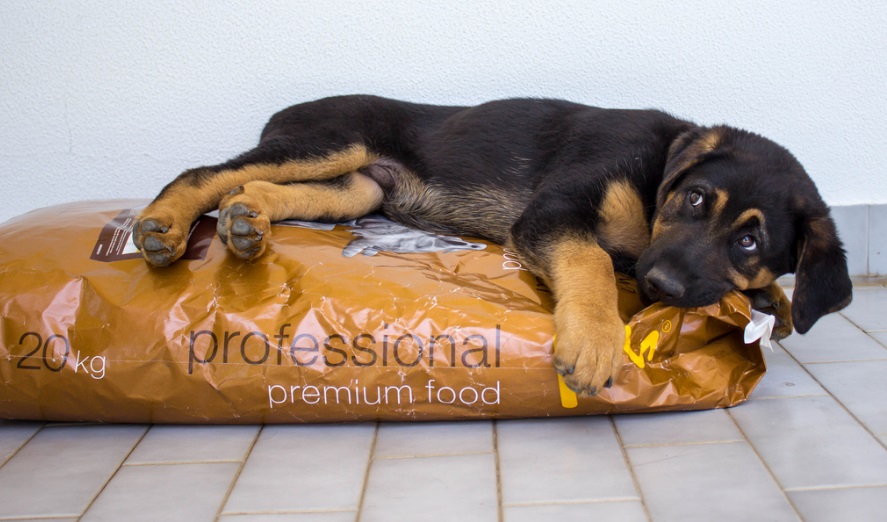
Breed, weight and age appropriate
A dog's diet should change depending on its age. While puppies require more calcium, adult dogs require it less and in smaller quantities. This should also be taken into account when choosing food. Therefore, if you choose a ready-made food for an adult dog, it should be appropriate for its age. For example, X-SMALL AGEING 12+, a food for dogs over 12 years old from Royal Canin, is suitable for adult dogs older than that.
It's unacceptable to feed an adult dog puppy food, as the needs of an adult dog differ significantly from those of a puppy. An imbalance of nutrients can lead to metabolic disorders.
Recently, many prepared food manufacturers have been releasing breed-specific lines of food. These formulas are tailored to the specific needs of each breed—this is also very beneficial and convenient. For example, Royal Canin English Bulldog Food is ideal for this breed.
If you feed your pet natural foods, you'll need to focus more on your dog's weight and age, and consult your veterinarian about your dog's breed predisposition to certain diseases. Based on this information, you'll need to exclude foods from your dog's diet that could exacerbate the condition or trigger its progression.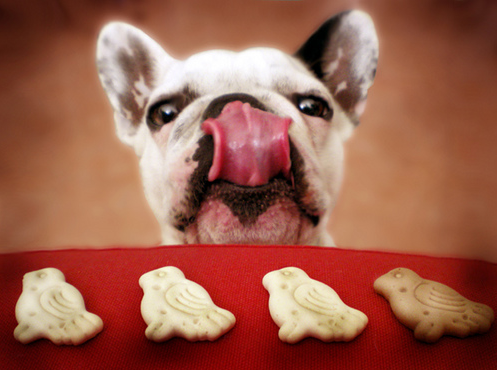
Consider your pet's coat length as well. Brit Premium Lamb/Rice may be suitable for long-haired breeds. If your dog suffers from chronic illnesses, choose commercial food with caution. Royal Canin's Diet for Dogs with Atopy and Dermatosis can help prevent flare-ups of these skin conditions.
Elimination of harmful products
Avoid giving your dog chocolate, sweets, bones, citrus fruits, sweets, smoked foods, baked goods, and spicy foods, even as a one-time treat or food reward. These are taboo foods for your dog. Including them in your pet's diet can not only lead to an eating disorder or allergy, but can also be fatal.
Water – even if you know how to choose the right dog food, your dog should always have access to clean, fresh water in unlimited quantities. Other liquids, such as milk or broth, are not a substitute for water. A lack of fluid can lead to dehydration.
Maintaining proper storage conditions and observing the expiration date of food is crucial. Even if the food is healthy, if it is expired or stored in violation of storage recommendations, it can be detrimental to the dog's well-being.
Monitor your dog's reaction to food. If you notice that certain canned foods or types of food are causing stomach upset, constipation, gastrointestinal problems, or urinary issues, change the diet.
The change of food is gradual
Changing a dog's diet should be gradual—abruptly switching to a different food type—from cereals and vegetables to dry food or canned food, or vice versa—can put a lot of stress on the dog's body. Unless the dog is reacting negatively to the old food, the transition should be gradual, gradually replacing a larger portion of the dog's diet with the new product and displacing the old one.
If switching to a new diet is necessary, consult with your veterinarian about the best way to do it and how to choose the right food for your dog. They may recommend temporarily switching to hypoallergenic foods (for example, Royal Canin's complete dog food for food allergies or intolerances with severe hypersensitivity) while you find the optimal menu and learn how to choose the right dry dog food.
Choosing ready-made dog food
Prepared dog food comes in both dry and wet varieties. We'll cover each of these options in more detail. This will help you easily choose the right dog food.
Feed classes
First of all, it is necessary to understand what classes they are divided into. So, dry types of food are of economy class, premium class, super premium And holistic.
| Economy class | Made from low-quality ingredients, including soy, by-products, and waste, it lacks vitamins, is poorly digested, and chronic feeding of such a diet often leads to illness. Pedigree (made in Hungary and the USA) falls into this category. |
| Premium class | The quality isn't particularly good, but it's better than the economy version. It contains a lot of preservatives, flavor enhancers, and more animal protein. An example is Nutra Nuggets (made in the USA). |
| Super premium class | It has a good composition, but its downside is the presence of substances that are not digestible by the dog's body. Example: Hills (produced in the Netherlands and USA) |
| Holistic class | The best menu for your pet. For example, Acana (made in Canada). |
Dry food
So, how do you choose the right dry food for your dog? Here are some tips:
- Be sure to apply all the food selection principles we described above.
- Try to choose a higher-quality food that is affordable for you.
- If your pet has any particular disease or predisposition, this must be taken into account.
- If you don't have one, it's best to choose a food formulated specifically for your dog's breed. Almost all manufacturers now offer such lines for most popular breeds. In this case, the manufacturers have taken all your pet's specific needs into account, and all you need to do is... (see point 5).
- We carefully observe the dog's reaction during the first few meals, specifically: a) how quickly and with what appetite they eat; 2) what kind of poop they produce—how often, how much, and whether there's a strong odor; 3) during the first few weeks, we pay attention to their mood; 4) the quality of their coat—is there any shedding, dandruff, etc.; 5) pay attention to their overall tone. Only if all these factors yield clearly positive results do we consider our journey complete. If not, we continue with dry food.
- When changing food, be sure to replace it in the diet portion by portion. Gradually add more of the new food and less of the old food at mealtimes to ensure the transition occurs without causing any significant gastrointestinal problems.
Don't just focus on the price of the food, but also consider which option will be healthier for your dog. Trying to save money by feeding your pet budget-priced dry food will only result in more money spent on veterinary care. A properly formulated diet, however, will help you avoid breed-specific diseases and health problems for your pet.
Wet food
Wet dog food is categorized in the same way as dry dog food. Canned food can be categorized as economy, premium, super-premium, or holistic. Generally, all the principles and rules described above also apply to choosing wet dog food.
Read also:



2 comments
Ivan
Good afternoon. My German Shepherd puppy is 26 months old. He's been eating very poorly lately, only eating once a day. I'm currently feeding him Holistic Blend; before that, I fed him Go. He still eats poorly and isn't gaining weight. He currently weighs 33 kg. He hasn't gained any weight for a year now. A year ago, he was feeding Acana, but a lot of the food wasn't digested and was being excreted. He went for walks two or three times a day during the evening, and once in the morning. Could you advise me on what food I should feed my little one?
Dasha is a veterinarian
Hello! Have you taken your dog to the vet for a checkup? It's possible the problem isn't the food, but rather a gastrointestinal issue. Perhaps there's some inflammation, which is why the food isn't being digested? A common question: how long has it been since deworming? Do you give anthelmintics regularly? What specific medications do you give? Is there any vomiting? How are the stools? Is the coat shiny and not shedding? Is the skin elastic (does the fold of skin straighten out quickly or does it remain for a long time)? What condition are the teeth in? Is there any bad breath? Or maybe your pet is very active? Does he run around a lot, which is why he's not gaining weight? Although, if he gets plenty of exercise, he should eat with appetite. Take your pet to the vet, have a blood test for biochemistry, and maybe do an abdominal ultrasound. Rule out any gastrointestinal disease (including liver disease).
Add a comment