
How to Train an Adult Dog That Won't Listen
So, if you're wondering how to train an adult dog who won't listen, it means there are already training issues and your pet's behavior requires some correction. In this article, we'll discuss in detail what to do if a dog doesn't obey its owner and why disobedience occurs in adult animals.
Content
Causes of the problem
Before discussing how to train an adult dog that is disobedient, it's worth clarifying when and in what situations a dog exhibits disobedience, as well as how exactly a pet's refusal to comply with a request or command occurs.
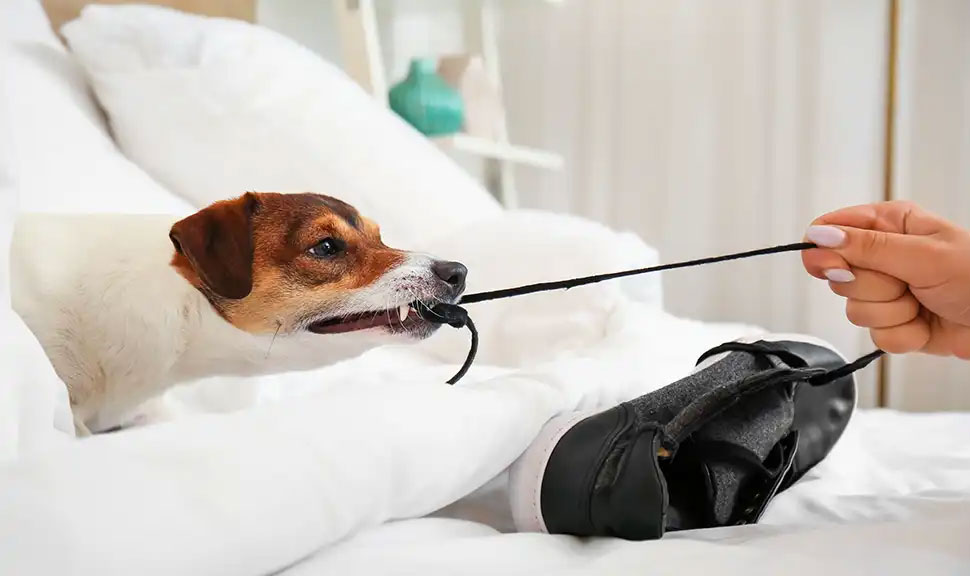
Most often, owners encounter disobedience in their pets in the following cases:
The dog was taken from a shelter
In this case, it is necessary to understand the following important aspects:
- The animal most likely has had negative experiences with people.
- The dog may not be trained at all in commands and rules of social behavior.
- It will take some time for the dog to build a trusting relationship with its new owners.
- Your pet may have a history of bad habits that need to be worked on.
- It may be necessary to tame the dog, gaining its trust, and training and teaching basic commands will have to be started “from scratch”.
That's why, if you're not ready for the challenges and don't feel up to training or retraining an adult dog, be sure to weigh the pros and cons of such a decision, especially if it's not a cute little mongrel, but a large breed (Shepherd, Labrador, Boxer, Rottweiler, Alabai, etc.).
The animal did not receive proper training as a child.
By training an adult animal, we mean raising a dog after one year, as it is during the first 7-9 months that the main training takes place:
- the foundation for the puppy's social behavior at home and outside is laid;
- a basic understanding of what is “possible” and “not possible” is formed;
- a trusting relationship between the owner and the dog is built;
- obedience is trained;
- is being trained in basic commands.
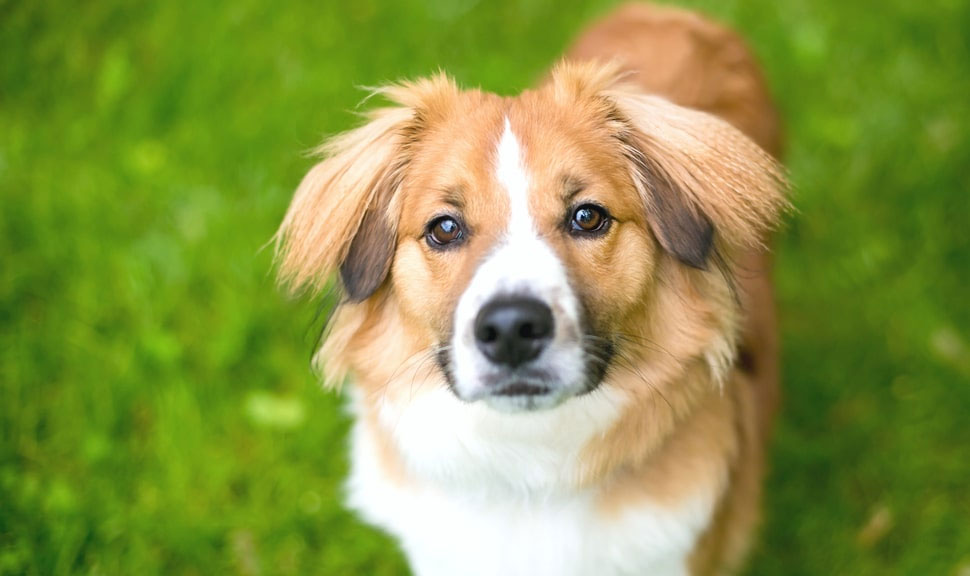
Is it possible to teach commands to an adult dog? Of course, it is, but the training process after a year will be more difficult and time-consuming, and success will largely depend on the ability to establish a bond between the dog and the person, as well as the animal's interest in engaging in shared activities.
Incorrect training
Many inexperienced owners read articles and books on how to properly train a dog to be obedient and non-aggressive. However, in practice, not everyone is prepared to follow the strict recommendations of dog trainers, resulting in improper training, which leads to a wide range of behavioral problems.
It can be said that your pet needs behavior correction if the dog:
- does not obey commands given by the main owner even at home;
- runs away on the street, does not listen to the person who is walking her;
- growls or snaps at the owner and family members while eating (exhibits food aggression);
- reacts with aggression (barks, bites) to any prohibitions;
- lunges or bites if anyone approaches her place;
- spoils things in the house.
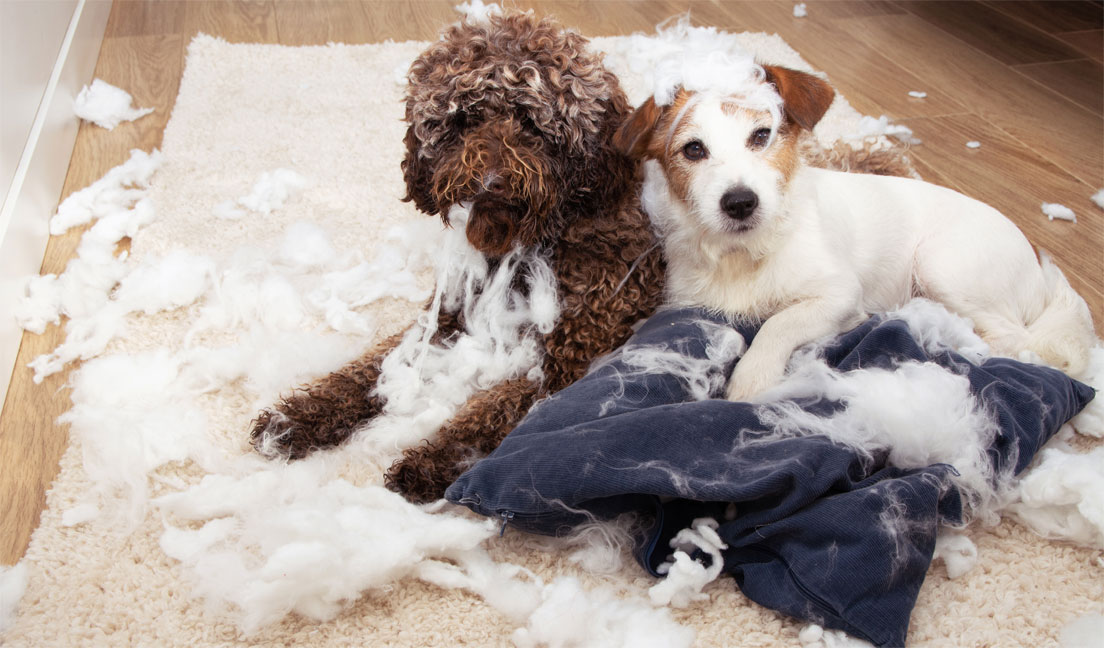
Of course, even the most ideal and well-behaved dog may occasionally engage in some of the behaviors listed above. But if destructive behavior is repeated frequently and becomes a problem, prompt retraining is required.
How to train an adult dog
If your pet comes to you as an adult and has not previously been trained in basic commands, but has been socialized and has had positive experiences interacting with people, then teaching it won't be difficult.
You will have to act in several directions at once:
- Building trust. For a dog to obey and make contact, it must trust its owner.
- Housekeeping trainingThis is necessary if the dog has never lived in an apartment before and needs to be trained to endure until the next walk.
- TrainingIt's best to begin training not immediately after the dog arrives at its new home, but rather after some time, once the pet has become accustomed to the new environment and accepted its new owners.
Otherwise, the training process for a puppy and an adult dog is not significantly different. Detailed instructions on practicing basic commands can be found in the "Training" section.
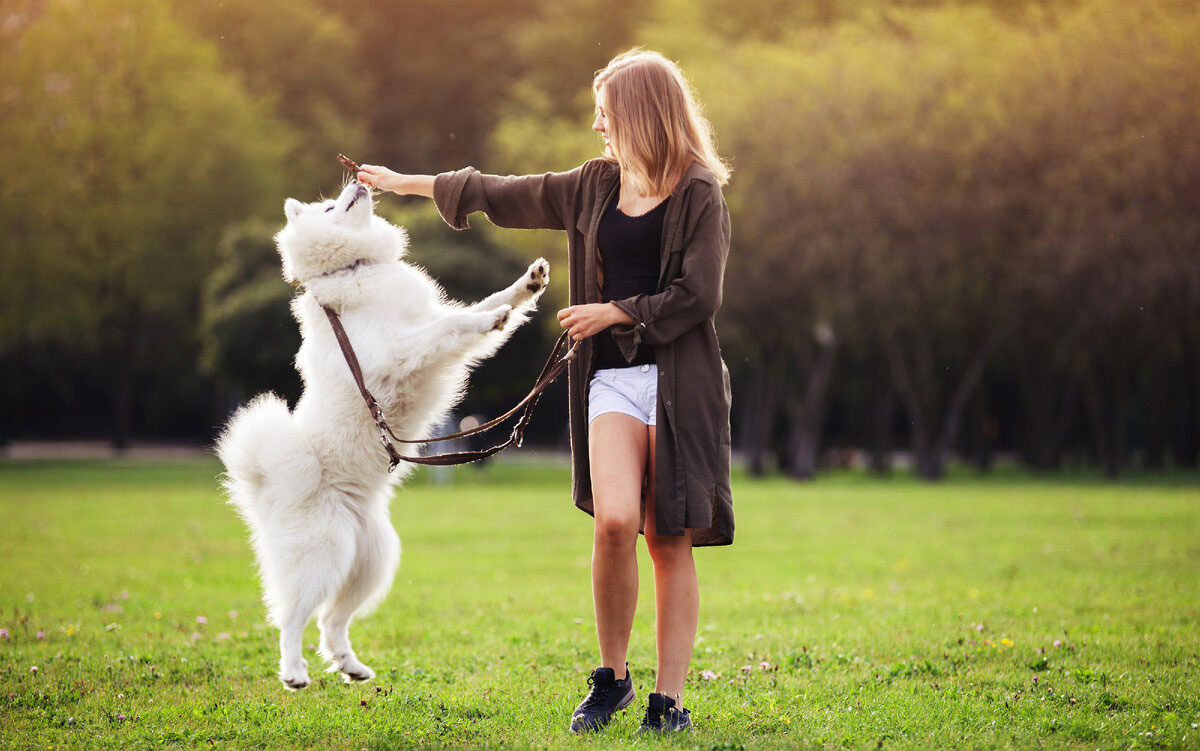
Books by experienced dog trainers such as Martin Rutter, Jack Volhard, Natalia Poryvai, Vladimir Adamchik, and others will also help you raise an obedient pet without bad habits.
How to retrain a dog
Retraining a dog (or, as dog trainers call it, behavior correction) is a complex and often lengthy process that requires persistence and self-discipline from the trainer.
For novice owners with no experience training complex animals, this can be extremely challenging to navigate on their own. The best solution is to work with an experienced trainer, who will point out any training errors and explain in detail how to properly train your pet, tailoring a personalized approach to their unique needs.
Specific recommendations on how to train an adult dog to overcome already ingrained bad behavioral habits depend on the problems identified.
A universal action plan for those planning to retrain a pet will consist of the following three vectors:
Obedience
If your pet's problem is lack of patience, refusal to follow commands, or even obey their owner, a general obedience training course can help improve the situation. Start with basic commands: "No," "No," "Come," "Sit," and "Heel."
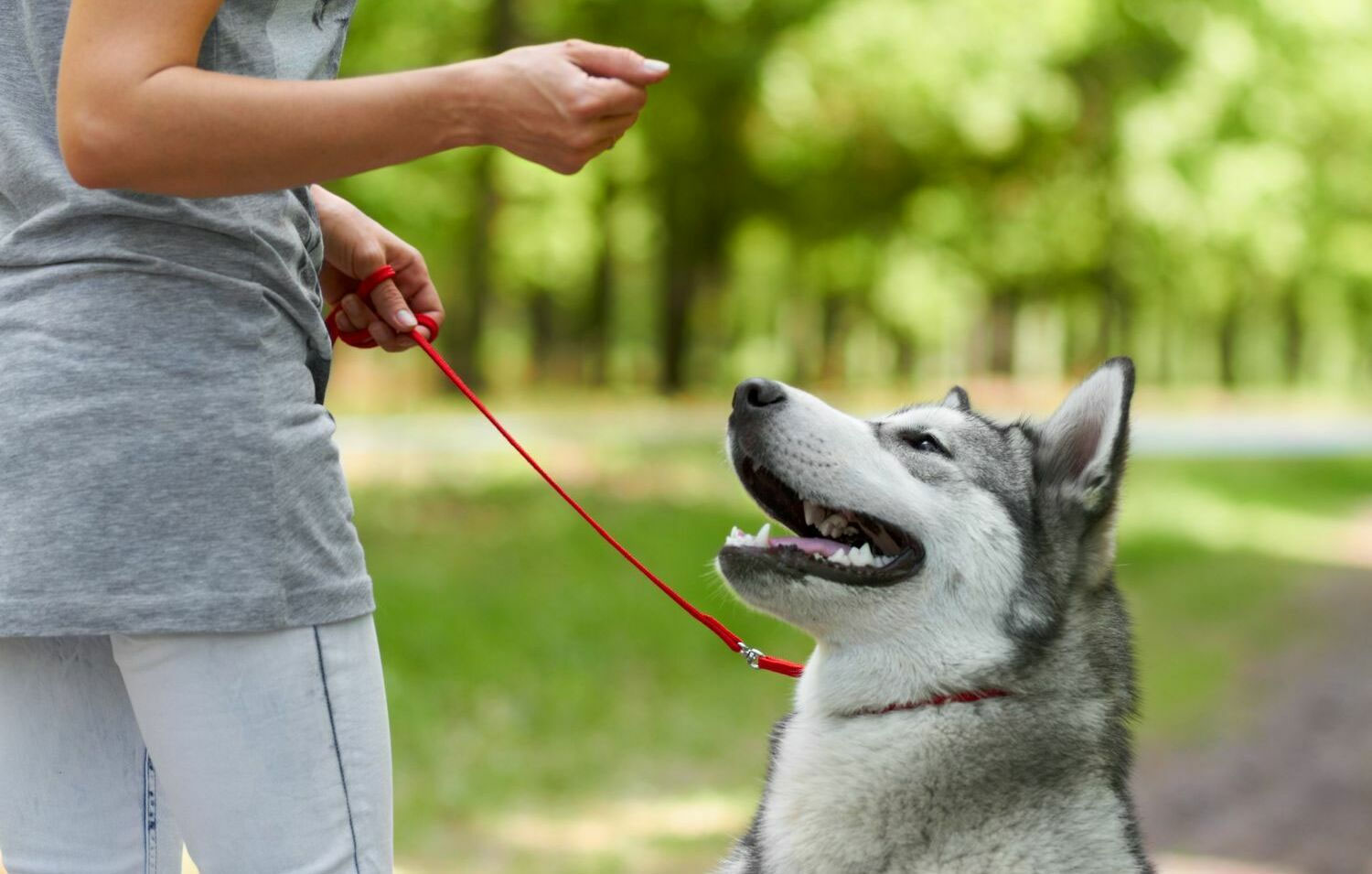
When working with a dog, consider the following recommendations:
- Enter one command at a time, ensuring that it is executed correctly.
- Don't rush to move on to the next stage of training.
- Always be consistent in your demands.
- Practice commands at home and only then begin training outside.
- Be sure to get your dog to follow the command.
- Do not interrupt the lesson at the request of your pet.
- Be patient and kind, do not show aggression towards the animal.
- Make activities fun and varied.
Correction of destructive behavior
If your adult, trained, and intelligent friend has started destroying everything he can get his teeth on in your absence, use the following recommendations:
- Review your walk schedule and duration. The more physical and emotional stress you put on a walk, the less energy and desire your dog will have to find entertainment between walks.
- Pay attention to your pet's psychological state. It might be worth consulting with a veterinarian to prescribe a gentle stress-relieving medication for your dog.
- Remove anything that might be of interest to a home vandal or that could pose a potential danger to them.
- Buy your pet a variety of toys that he can chew on while you are away.
- Scold your dog when you catch him performing a forbidden action, but without using physical punishment.
Read more about this, How to properly punish a dog, we talked about this in the previous article.
Resocialization
The main task – train the dog to react calmly to the presence of other animals and people nearby.Target – ensure that the dog does not rush towards the object of interest, does not pull on the leash, does not bark, and does not show aggression.
A common question online is whether it's possible to retrain an adult dog who reacts aggressively to other dogs or strangers. Experienced dog trainers believe that in most cases, behavior can be significantly improved. One stage of resocialization involves working with the dog or a "partner," but such training should only be conducted under the supervision of a dog trainer.
Read also:
- How to teach a dog the No or No command
- How to teach a dog the "Sit" command
- How to stop a dog from picking up anything on the street


.jpg)
Add a comment