
How does a cat behave after mating?
Cat owners who decide to mate their pets and have offspring have a lot of questions. One of them is how a cat should behave after mating and what signs can be used to determine whether the mating was successful. pairing.
Animal behavior depends on many factors, but it's important to remember that each pet has its own personality and temperament, which can influence any sexual behavior. However, there are general guidelines that owners can follow.
Content
How to tell if a cat and a tomcat have mated
Important! To ensure the litter is successful, it is recommended to house the male and female cats in the same area for 2-3 days.
A period of flirtation precedes mating. The length of this period depends on the male's experience and the female's temperament. When attracting a mate, females typically display aggression when approached.
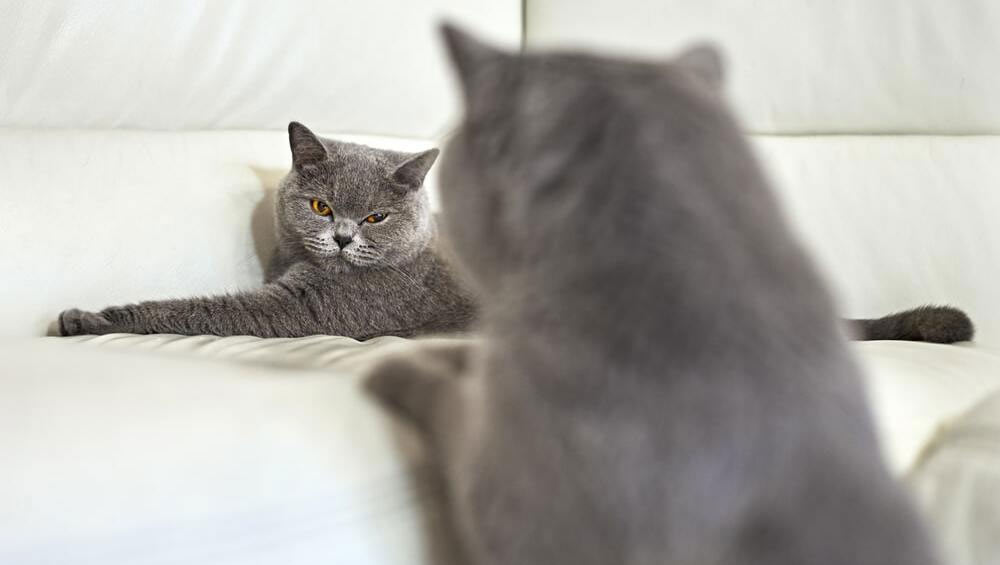
The process itself happens quite quickly. The duration of direct contact can vary from a few seconds to 1 minute. Even if the owners are nearby, they may not always realize it has happened. Beginning breeders often wonder how to tell if a female cat and male cat have mated.
Experienced cat owners recommend paying attention to the following signs:
- there was a garden;
- the cat licks himself and loses interest in the female for a while;
- The cat shows aggression, rocks, and begins to actively lick itself and arrange its fur.
As a rule, one mounting is not enough to guarantee conception, and to avoid wondering how to understand that the cat has mated with the tomcat and there will be a result, the animals are left together for a longer period, giving the tomcat the opportunity to mount several times.
It's also worth keeping in mind that there's no single guide to understanding whether cats have mated, and if the owners haven't witnessed the process, it's difficult to tell by the animals' behavior that they've been intimate and that pregnancy will occur.
Immediately after mating
Immediately after sexual intercourse with the male cat is complete, the male releases his grip on the female, and she abruptly pushes him away. What happens next depends on the female's temperament: she may become very aggressive and even fight the male cat, or she may simply show her displeasure and reluctance to continue the encounter. In any case, don't expect a calm or friendly relationship immediately after mating.
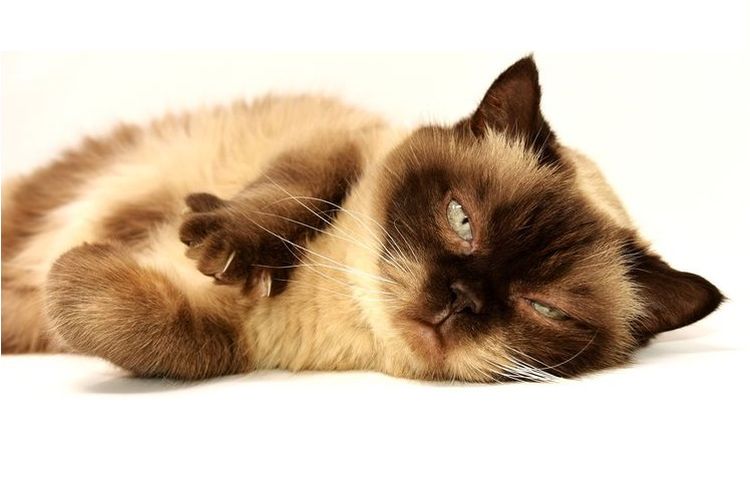
Mating a male and female cat for the first time is not recommended. In such cases, the male must be experienced, otherwise the animals will take a long time to adjust to each other, the male may injure his partner, and sometimes pregnancy will not occur even after the mating is successful.
During the first few days after mating, the female may appear tired. This is because mating is an energy-consuming process, and the pet needs to replenish her energy and sleep. If this is not accompanied by other signs of illness, there is no need to worry. Another possible cause is an increased appetite. This is again due to the body needing to replenish the calories expended.
Behavior depending on the timing of estrus (heat)
People often ask why a female cat continues to scream, beg for a male, and act restless after mating. Most often, her behavior depends on the day of her estrus cycle when mating occurred. That is, the same animal may behave differently at different stages of her life simply because mating occurred early or late in her estrus cycle.
The fact is that on different days of the heat, the body's reaction to sexual intercourse will be completely different due to the different amounts of sex hormones released in the body.
The first 4-5 days
Each cat's estrus cycle varies, but on average, it lasts one to two weeks. If mating is successful during the first few days, estrus will continue for the expected length of time.
The cat will act as if she is not pregnant, demanding further contact with the male cat. However, this should not be allowed, as this could lead to the presence of fetuses of different stages in the uterus, which often leads to stillbirths or severe exhaustion of the cat.
It's extremely rare for behavior to change, and the fertilized female will immediately calm down. This most often occurs after several days of contact.
Mid-estrus
If conception occurs on the 5th to 7th day, and the typical female cat's heat cycle lasts no more than 10 days, she may calm down after mating and behave as usual. If the cycle is longer, she will continue to be restless. However, she will no longer actively search for a male cat.
End of estrus
Over the last 3-4 days, a gradual stabilization of hormonal levels occurs, so after mating, the pet almost always begins to behave absolutely calmly, but this largely depends on her character.
Reasons for concern
Sometimes owners become alarmed when their cat starts acting as if she's sick after mating. This is often accompanied by diarrhea or vomiting, and sometimes the temperature rises. There are several explanations for this:
- pronounced reaction to stress (the presence of a male or moving, changes in hormonal levels, etc.);
- digestive disorders due to a change in diet, if the animal was given to another house during mating without its usual food;
- the onset of toxic infection, which is not associated with attempts to have offspring, cannot be ruled out;
- bacterial or viral infection against which the male has not been vaccinated (calicivirus, rhinotracheitis, panleukopenia, etc.).
False pregnancy
It can happen that after sterile intercourse, the female's body reacts as if pregnancy has already occurred. This most often occurs when the inseminator has reproductive problems, such as a lack of healthy sperm or reduced sperm motility.
The cat begins to behave as if the embryo's development is proceeding as expected:
- behavior becomes more cautious;
- nipples swell;
- the belly increases in size;
- After the end of pregnancy, milk is released from the mammary glands.
This condition is extremely dangerous for a female cat: it causes mental stress, severe hormonal imbalance, and deteriorating health. To prevent this, you should select a male who has sired healthy offspring that have been carried and born without problems.
Presence of discharge
If estrus if it is not finished, then you can still observe for 2-4 days after mating discharge from the genitals cats have clear mucus, which is a completely normal picture.
A cause for concern should be heavy, dirty, brown, green, brownish, or bloody discharge, often accompanied by an unpleasant odor. These symptoms may be caused by:
- genital infection;
- an impending or actual miscarriage (possible at different stages of pregnancy);
- diseases of the reproductive organs.
In this case, owners should consult an experienced veterinarian.
Read also:
- How many days does a cat walk?
- At what age do cats start walking?
- How many days does a cat's pregnancy last?


Add a comment