
How does a cat behave after sterilization?
Spaying and neutering are complex procedures that each animal handles differently. Therefore, when considering this step, owners should be aware of their cat's post-surgery behavior. This will help them determine which aspects of their cat's condition are normal and which require a veterinary consultation.
Content
Recovery from anesthesia on the first day
A cat's condition in the first hours after surgery largely depends on the type of anesthesia used. Most often, veterinarians use one of three options:
- A muscle relaxant with an analgesic is the most common type of general anesthesia, after which the patient wakes up with clear consciousness and regains consciousness within 6-10 hours.
- A muscle relaxant and epidural anesthesia are effective forms of general anesthesia, with cats recovering in an average of 8 hours. Recovery can sometimes take up to 2 days. The main drawback of epidural anesthesia is the risk of postoperative complications such as hind limb dysfunction.
- Inhalational anesthetic is an effective gas anesthetic administered in a gaseous state. After mask or endotracheal anesthesia, the cat regains consciousness almost immediately. Due to the high cost of anesthesia and respiratory equipment, it is not used very often in clinics.
Regardless of the type of anesthesia, you should be prepared for the fact that your pet will sleep at home for at least 2 to 7 hours after returning from the clinic.
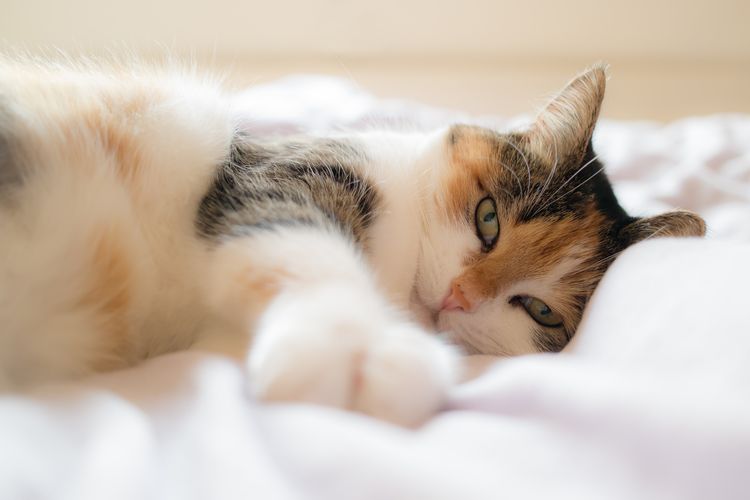
A cat after castration is usually lethargic. His reaction time and coordination may be impaired. He may also experience vomiting and urinary incontinence.
Regarding mental health, be prepared for the fact that in the first 24 hours after spaying or neutering, your pet may exhibit inappropriate behavior. The spectrum of these manifestations is quite broad, ranging from passive indifference to what's happening around them to open aggressionThe pet may become disoriented, demonstrating an irresistible desire to hide in a dark corner.
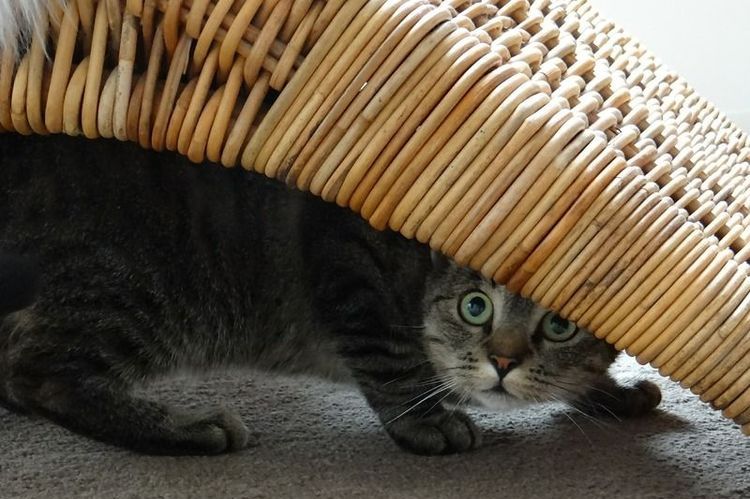
While under the influence of a narcotic, an animal may attempt to stand up and walk a little, but after taking just a few steps, it will collapse on weakened legs. Even when lying down, the pet may perform convulsive movements with its legs, mimicking running.
The owner's job is to minimize the risk of injury. Therefore, it's best to place the cat's resting area on the floor, away from furniture with sharp corners.
When observing your pet during the first 24 hours, it's important to pay attention to their temperature. A normal temperature for cats is 38°C (100.4°F). During the first 24 hours, there's a high risk of hypothermia, accompanied by cold extremities, or a body temperature rising to 39°C (102.4°F) or higher. A dry, hot nose will indicate elevated temperature.
While your cat's body temperature is recovering, she may feel thirsty. During this period, it's crucial to ensure she has constant access to clean water.
The cat's condition in the first week
A cat's recovery depends on its age and the complexity of the surgery. Younger, stronger cats recover more quickly.
By the second or third day, the animal's senses generally return to normal functioning. However, during this period, it's still a good idea to minimize stimuli such as street noise and the bustle of household members.
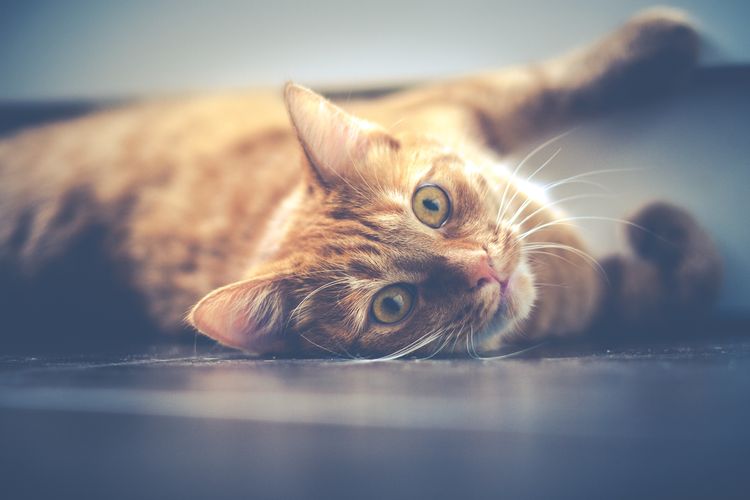
As the anesthesia wears off, pain becomes increasingly noticeable. Signs of pain will include:
- dilated pupils;
- focused gaze at one point;
- immobility in one position;
- increased aggression when attempting contact;
- refusal to eat.
If you notice at least one of these signs, you need to help alleviate the condition by giving a painkiller tablet or an injection.
Starting on the second day, the animal's appetite returns. During this period, it's best to feed it small, frequent meals. Due to hormonal changes and a more sedentary lifestyle, cats are prone to obesity. Therefore, both during and after the surgery, the owner will need to carefully plan their diet.
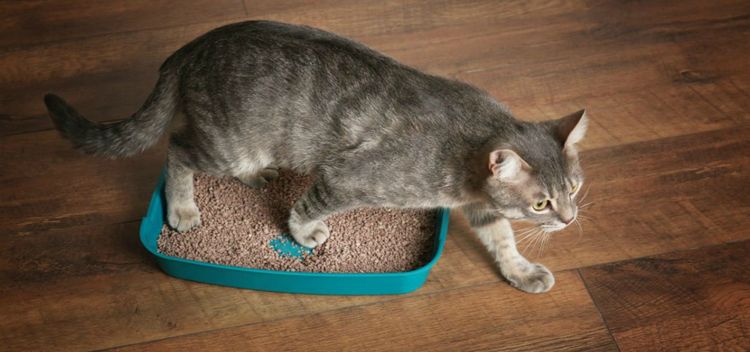
It is important to ensure that the cat is I went to the toiletIf bowel movements don't occur within the first three days, a laxative should be considered. However, excessively frequent bowel movements should also be a cause for concern.
During sterilization, doctors apply 2 types of sutures:
- intradermal - they do not need to be removed;
- External sutures are removed in a clinical setting after 7-10 days.
To protect the suture from being licked, veterinarians recommend putting it on animals during the postoperative period. bandageBut some cats manage to chew them and remove them. The owner's job is to ensure the incision remains clean and dry, preventing the pet from self-medicating.
By 5-7 days after surgery, the cat fully returns to its normal routine. However, the full recovery process is not completed until the end of 3-4 weeks.
Changes in behavior
After spaying, a cat loses the ability to reproduce. However, her body will continue to produce sex hormones. Therefore, don't expect your pet's personality to change significantly. However, most breeders note that cats become calmer after spaying. They become more likely to experience human companionship, preferring to sleep in their owner's bed.
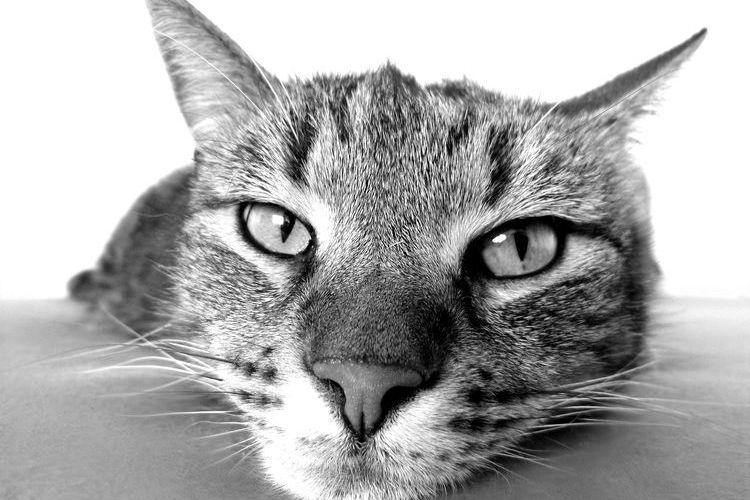
As for castrated Cats no longer show the urge to mark their territory. Their urine also has a less pungent odor.
In the company of cats that have not undergone this procedure, they feel quite comfortable, perceiving them not as rivals, but more as playmates.
Read also:
- How long should a cat wear a bandage after sterilization?
- Laparoscopic sterilization of cats
- How long does it take for a cat to recover from anesthesia after sterilization?


Add a comment