
How to insulate a dog house for winter
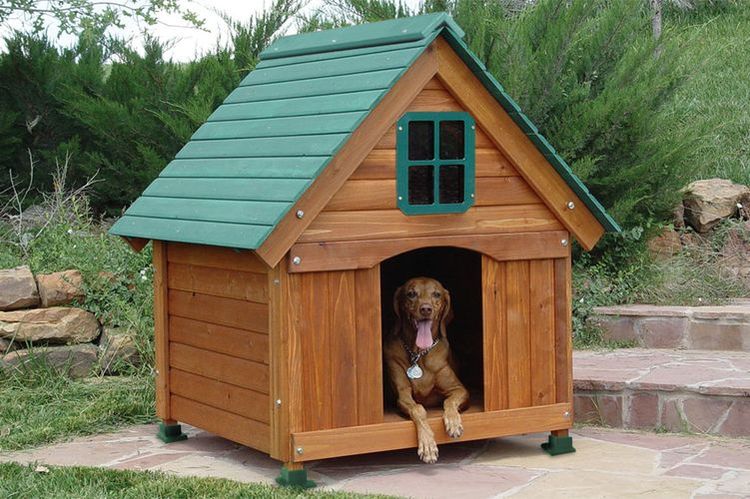
Keeping a dog in the yard as a guard dog requires building a kennel where the animal can find shelter from rain, cold, or heat. Depending on its intended use, the kennel has practical requirements, such as size and heat retention. Regarding thermal efficiency, there are many ways to insulate a kennel or aviary for a dog for the winter, but this issue must be approached taking into account the breed and climate.
Content
Is it necessary to insulate the booth?
Typically, a dog house is constructed of planks. For a mixed-breed dog with a thick coat, wooden walls are quite sufficient. Some purebred dogs, such as the Laika, Moscow Watchdog, St. Bernard, Husky, Scottish Shepherd, and Caucasian Shepherd, also tolerate cold well. Short-haired breeds, such as the Doberman or Rottweiler, require insulated housing.
Climate plays a major role. If winter temperatures don't drop below -10°C, a simple wooden kennel will suffice, even for short-haired dogs. In northern regions, insulating the kennel is essential, but even here, don't overdo it.
If a breed is cold-tolerant, over-insulating it can be detrimental to its health. In greenhouse conditions, dogs begin to shed their fur and lose their undercoat, meaning they lose their natural ability to retain body heat. Moving from an overly warm kennel into the cold can lead to a cold. The only important things to consider in a wooden kennel, regardless of the conditions and for any breed, are ensuring there are no cracks, an insulated floor, and good bedding.
Insulation
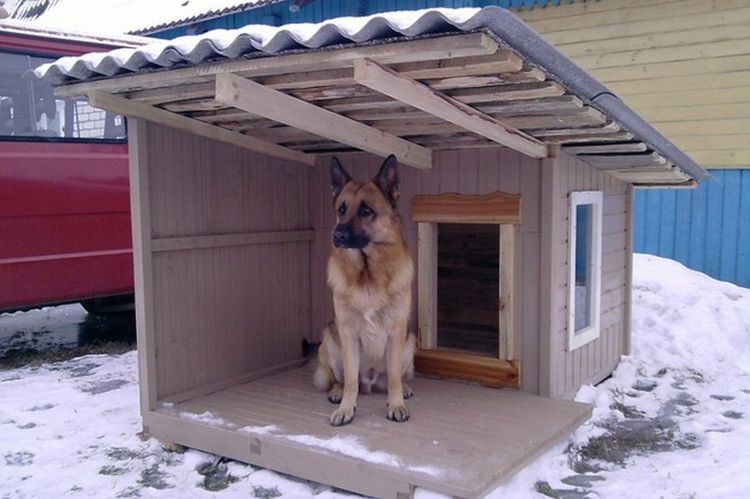
Dog houses have always been insulated for the winter. When severe frosts set in, the outside of the kennel was lined with straw mats, and more hay was added inside.
Modern methods provide a wide selection of thermal insulation materials, among which the most popular are:
- artificial felt;
- foam plastic;
- basalt wool;
- isolon;
- polyurethane foam.
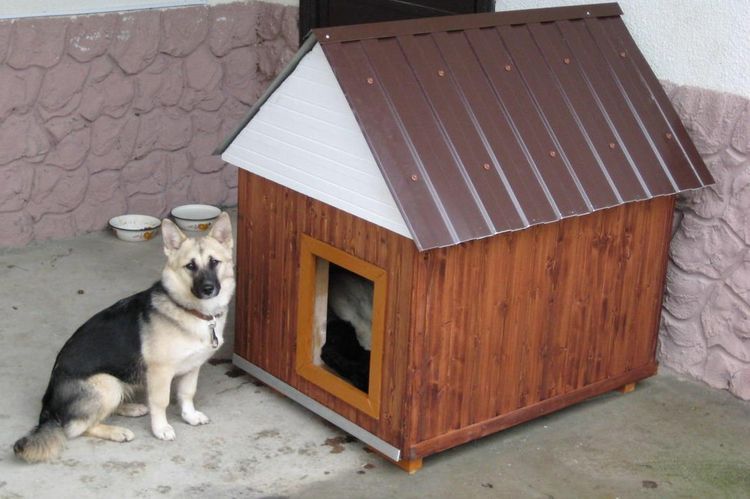
The use of cladding materials, which are often left over from the construction or renovation of a house, allows you to give the dog house an aesthetic appearance in accordance with the overall architectural ensemble of the site.
The choice of insulation for a dog house largely depends on the design and material it is made of.
Internal insulation
Artificial felt is most often used for these purposes. It is one of the simplest and most common methods for insulating a wooden structure. Artificial felt is an inexpensive and environmentally friendly material, recommended by professional dog breeders.
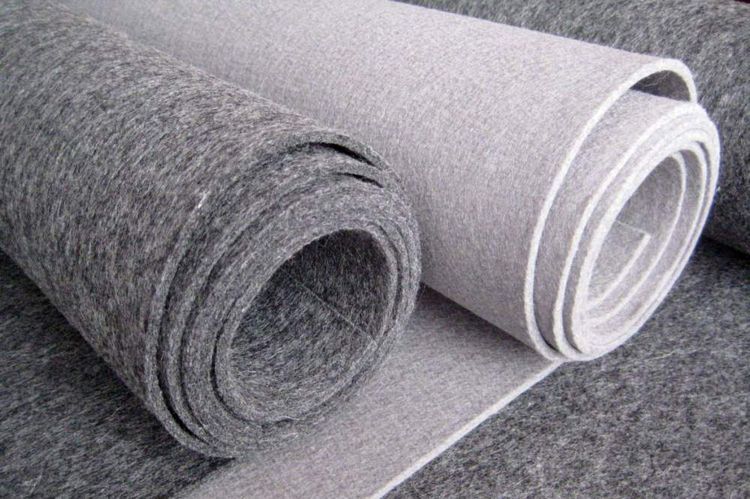
Felt upholstery is applied from the inside using wide-headed upholstery nails. The thickness of the felt doesn't affect the spatial dimensions, so it can be used in a "livable" shed. The only caveat is the need to cover the floor with moisture-resistant OSB over the felt.
Using foamed polyethylene (izolon) for interior insulation is also possible, but not recommended. Firstly, it would need to be covered with plywood or OSB, as the animal would quickly tear through such material. Secondly, isolon is non-breathable, causing moisture to build up inside, creating increased humidity and impeding natural ventilation. However, isolon is excellent for floor insulation, as it provides both thermal and waterproofing properties.
We're building an unusual, warm house for a dog: video
External insulation
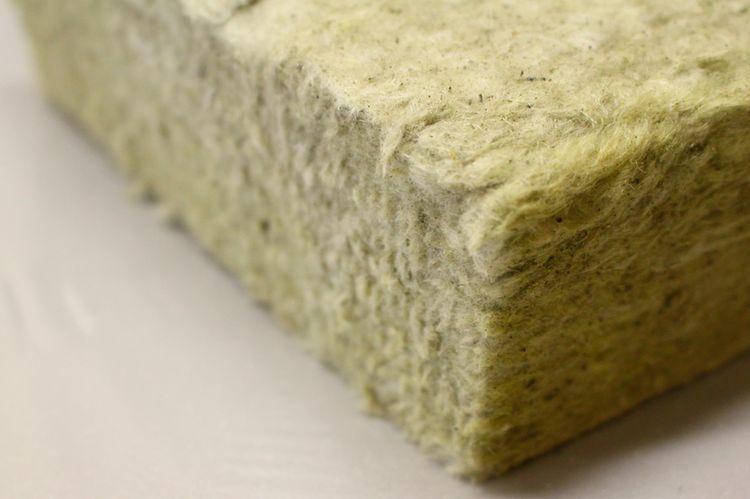
An insulated dog house is easy to build yourself using curtain wall technology. The best insulation option is basalt wool, which is sold in 1000x500 mm slabs or aluminum foil-backed rolls. This natural material, made from basalt (a volcanic rock), is non-flammable and safe, as it does not emit harmful substances even when heated.
Installation of lathing
The sheathing is made of vertical and horizontal wooden slats, screwed tightly to the wall. Given the relatively small size of the doghouse, eight slats are sufficient for the vertical contours and eight for the horizontal contours of all four walls.
You need to screw the battens around the manhole. The battens' thickness should match the thickness of the insulation. For example, standard 2 cm mounting battens are ideal when using rolled mineral wool of the same thickness. After installing the battens, it's advisable to treat the wood with a preservative or paint it.
Laying insulation
Thermal insulation material (basalt insulation or foam) is laid flush against the wall in a frame made from slats. All joints must be tight and free of gaps. If necessary, the material is secured with aluminum mounting tape.
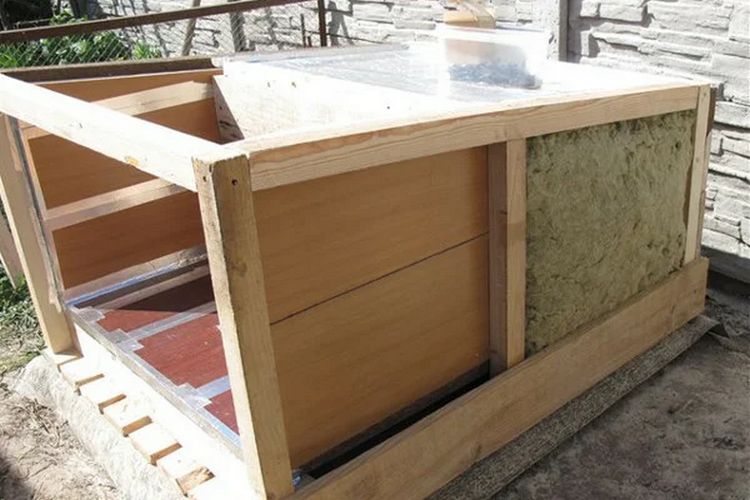
After installation, the insulation is covered with a membrane (vapor barrier), which is stapled to the battens. Polyurethane foam can also be used as insulation for this structure, but it is significantly more expensive and requires specialized application skills, as well as subsequent trimming of excess foam.
Facing
In this case, the cladding is a curtain wall, as it is attached to the sheathing and does not rest on the foundation (it hangs on the wall). Siding, blockhouse, corrugated wall sheets, or wood paneling can be used as cladding. Plastic paneling is not recommended, as it will crack in 1-2 years of outdoor use.
Frame or panel insulation
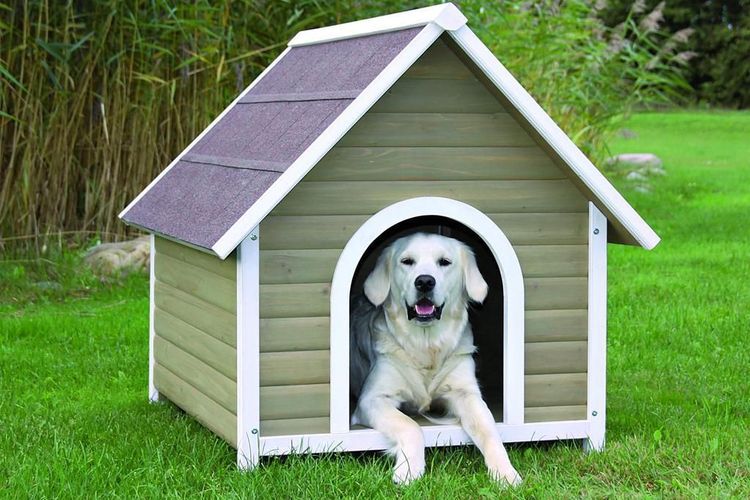
This method is possible when building a doghouse from scratch and involves embedding insulation into the wall structure (in the panel). Mineral wool or foam, 2-5 cm thick, can also be used for thermal insulation. Sometimes, wood chips or foam chips are used as backfill, but given the small amount of material, it's better not to skimp and build it well from the start.
Design
There are many technologies available, the simplest and most straightforward of which is a collapsible design made from individual panels. A drawing is not required to build a collapsible, insulated dog house, as all the panels are made in the form of rectangles and trapezoids, easily calculated based on the required dimensions of the kennel.
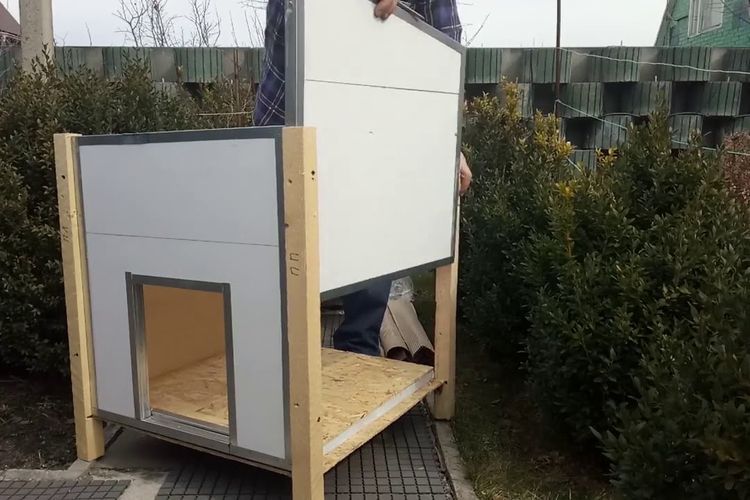
The entire shed will consist of six panels: four wall panels, a floor panel, and a roof panel. Each panel is a frame made of timber, the thickness of which is equal to the insulation (2-5 cm), and embedded with insulation material. The frame is covered on both sides with moisture-resistant OSB.
The front panel must include a manhole, and the side panels are designed with the top contour sloped to accommodate the roof slope. The roof panel is made approximately 10 cm wider than the bottom and longer to accommodate the slope and overhang of the canopy. It's best to use screws for sheathing the frame frames, and liquid nails for sealing the joints.
The doghouse can be assembled using furniture screws. This structure is easily transported and installed anywhere. The surface can be painted, and the roof can be covered with any roofing material—tar paper, metal, etc.
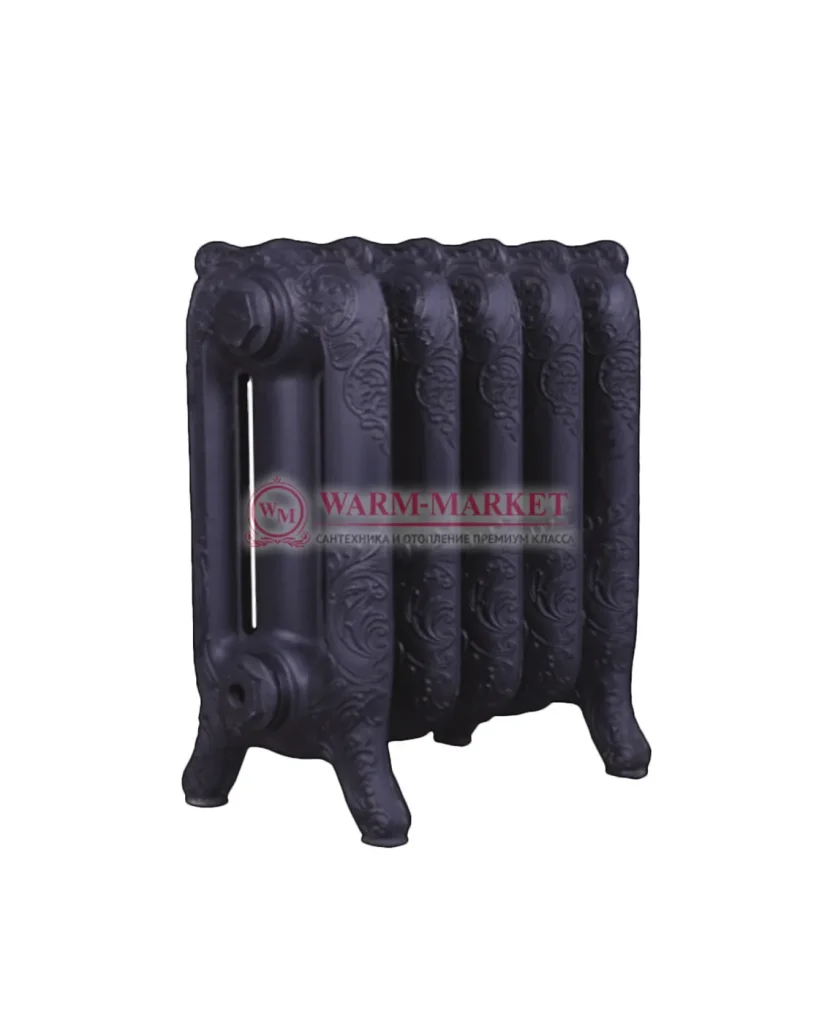
You can also try building a booth onto your house and installing a radiator in it, like this one:
Read also:


Add a comment