
How to calm a cat at home
What should you do if your cat is in heat, is in heat, and the reproductive instinct is making itself known with unbearable screaming, meowing, and other characteristic signs? Whether it's her first time or not, she will repeatedly seek a mate and produce endless kittens. A cat's physical capabilities are limited, and chronic pregnancy can lead to serious health problems. Spaying also has its pros and cons, and when deciding on surgical intervention, you need to carefully weigh the pros and cons. Therefore, it makes sense to first try to calm your pet using methods that won't cause serious harm.
Content
Diet correction
Since cats' appetites are often limited during heat, veterinarians recommend following a specific diet. It's best to feed your cat small portions throughout the day. In the evening, it's best to feed a light diet, while during the day, you can limit yourself to minimal amounts. The key is to avoid overdoing it with forced fasting, and if your cat asks for a treat, satisfy her every desire. Another important point: always have fresh, clean water in her drinking bowl.
Insulation
This isn't the most effective way to calm a cat at home, but it does work in some cases. During her heat cycle, she should be "relocated" to a separate room and provided with maximum comfort. You can place a heating pad under her bed, keep food and water bowls nearby, and try to avoid situations that might frighten or irritate her already emotionally unstable state.
If you have a cat in the house, you should isolate the animals from each other. To calm the cat's instincts, don't let her outside if she's been trained to roam freely. This will not only limit her interaction with other cats but also prevent an unplanned pregnancy.
Music therapy
It sounds a bit ridiculous, but classical music can work wonders. Masterpieces by Mozart, Beethoven, and Tchaikovsky help the body relax and balance the nervous system. Light, neutral background music will make a cat calmer and more docile, especially in the evening and at night. There are no hard and fast rules for choosing a playlist—everything is determined by trial and error.
More attention
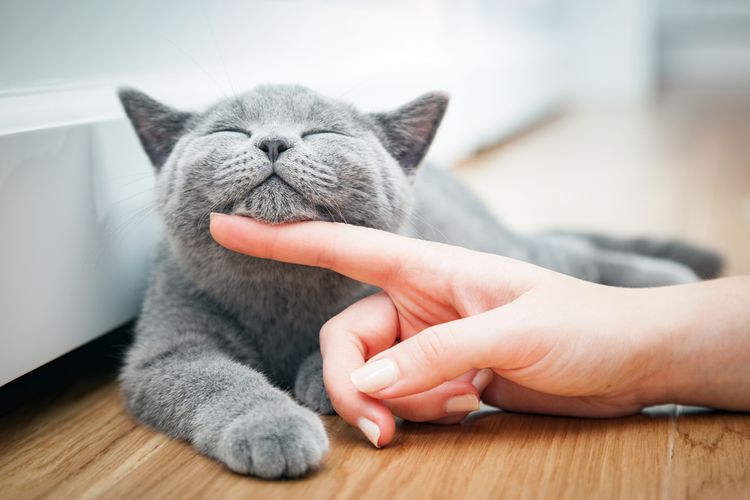
The proverb "A kind word pleases a cat" is more relevant than ever. During heat, a cat demands significantly more affection and tenderness. It's time to test your patience—pet, cuddle, and hold her often, even if your nerves are on edge from endless meowing and inappropriate behavior. The only limitation is to avoid touching the cat's sacrum, so as not to provoke further attacks of desire. Massage is a good calming aid when a cat wants to go outside.
Shock bathing
As is well known, cats dislike bathing and will demonstrate their displeasure to their owners in every way possible. This is why bath therapy can temporarily refocus the cat's attention and distract it from violent tantrums. After experiencing stress, a cat will spend a long time drying off and licking itself, which requires a lot of strength and patience. It's best to perform the "bath therapy" closer to nighttime to ensure a restful sleep.
Folk remedies
Unlike medications, folk remedies don't last as long, but they still have their advantages. The most important of these is their absolute safety. Alternatively, you can try the following methods for calming down:
- Decoctions of herbs with a sedative effect, such as lemon balm, mint, caraway, and chamomile. Prepare according to package directions, cool to lukewarm, and strain. This drink helps temporarily relieve anxiety and improve sleep.
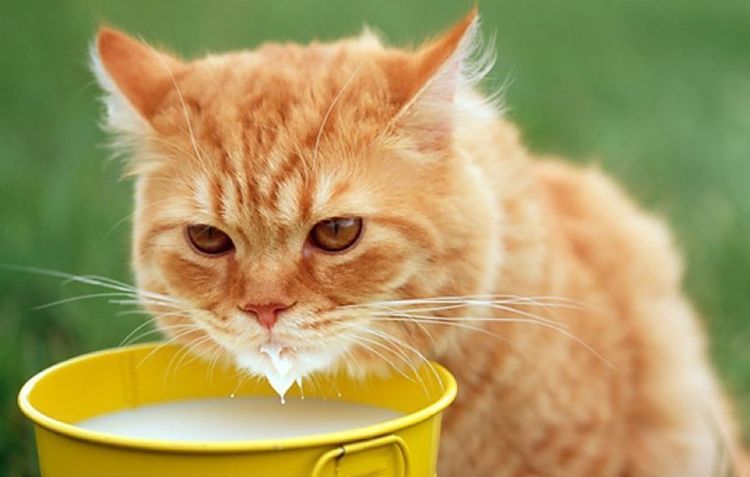
- Dissolve a small amount of soda (on the tip of a knife) in milk and pour it into the drinking bowl.
- Take one tablet each of diphenhydramine and valerian, crush them finely, and mix them with the cat's food. This will help calm the cat for about a day. Alternatively, simply give it a sealed bottle of valerian.
- Rub butter on the cat's face. This will cause the animal to lick itself for a long time, resulting in temporary relief.
Medicines
Sedative pills — the most radical method for correcting the hormonal balance of "outdoor" cats who have started screaming, and to alleviate their suffering. They can be roughly divided into two main types:
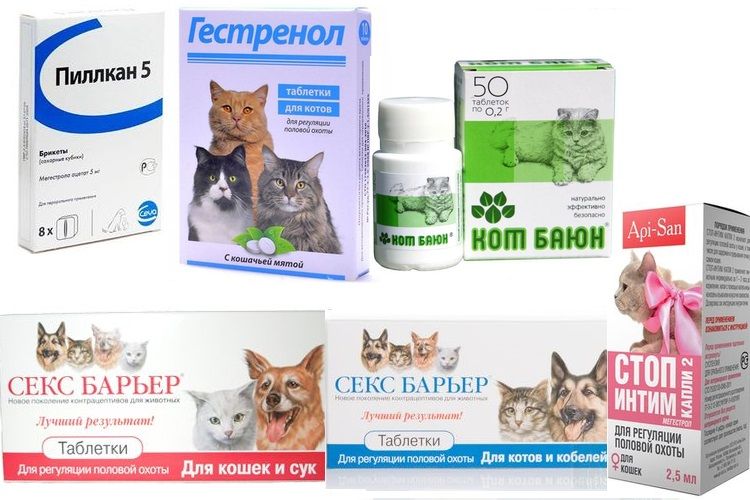
- Hormonal medications. They block sexual arousal, interrupting estrus. There are many domestic and foreign-made medications available, the most popular of which are "Stop Intim," Gestrenol, Sex Barrier, "Anti Meow", "Pillkan".
- Mild sedatives, including homeopathic ones. Tablets and drops help relieve emotional and physical stress. "Cat Bayun", Feliway, as well as "Suprastin" or regular "Valocordin".
- Pheromones. The synthetic pheromone "Feliway," available as a diffuser, has proven effective in practice. The device plugs into an outlet and works throughout the entire apartment or a single room (depending on the size). One package lasts for approximately four weeks.
Which of these methods will ultimately work can only be determined through trial and error. The key is to be patient and understand that your cat isn't intentionally being destructive, but rather following a call of nature.
Read also:
- How many days does a cat walk?
- At what age do cats start walking?
- How many days does a cat ask for a male cat?


Add a comment