
We trim the nails of both cats
If your cat lives in an apartment, rather than a private home where they can frolic wherever they please, climbing trees, fences, and other convenient structures, sooner or later you'll encounter claw problems. While a cat's claws wear down naturally in the wild, in an apartment, even with a scratching post, they don't wear down as easily. They grow longer than necessary, start snagging on everything, and ruin carpets and furniture. Then the owner wonders how to trim their cat's claws.
And, of course, a cat's overly long claws can seriously scratch its owners while playing. As claws grow, they can break off, causing discomfort to the pet. Therefore, in such cases, it's important to consult a veterinarian for claw trimming, or better yet, learn to do it yourself. That's what we'll do today.
It's important not to trim the claws of a cat that "walks by itself." For them, this is both a means of protection and a way to avoid threats outside (in particular, a tool for climbing trees).
Content
Should I trim my cat's claws?
Many people naturally wonder whether trimming their cats' claws is necessary and whether this procedure will upset their health. It's now clear that doing it at home is absolutely necessary. Your pet's health won't be harmed by trimming, provided, of course, that you're careful not to trim too much or injure them.
The main thing is to accustom your kitten to having its nails trimmed from an early age. This way, it will quickly get used to the procedure, and as an adult, the cat will tolerate the trimming painlessly and resiliently.
How often should I trim my cat's nails?
Experienced breeders advise hobbyists interested in how often to trim their cat's claws to trim them as they grow. Typically, this procedure should be done every 10-14 days. However, this is a common belief, and in reality, the frequency of claw trimming will largely depend on other factors:
- personal characteristics of the body (speed of nail growth);
- color of the nail plate (light nails grow faster than dark ones);
- the cat's activity (more active animals that often play indoors or spend time outside take care of the sharpness of their claws themselves, regularly filing them, as opposed to their lazy relatives, who often spend their time half-asleep).
- No one can say with certainty how often to trim a cat's claws, so in each case it is necessary to determine the trimming frequency on an individual basis.
It's a common misconception that hind paw nails don't need to be trimmed. There's no need to test this claim. on your own furniture.
If a cat is going to participate in a show or is about to mate, it is essential to trim its claws the day before.
What kind of claws do cats have trimmed?
Rest assured: all of your cat's claws can be trimmed. And don't ignore the dewclaw, which extends away from the main claws. Although it often goes unnoticed, it also needs to be trimmed.
Even if you're not interested in how often to trim your cat's claws, keep in mind that your pet sometimes simply needs your help if a claw gets damaged or broken.
What to cut with
Most often, cat owners use two devices when trimming their claws:
- Trimmer.
If you're new to this procedure and unsure how to properly trim your cat's claws, it's best to choose a specialized tool—a guillotine trimmer. It's a device with a cutting blade that extends when you press the handle.
A nail clipper remains a popular tool for trimming cat claws. Trimming a cat's claws with one is easy, but be careful not to cut too long to avoid damaging blood vessels. Generally, nail clippers include:
- nail clipper;
- disinfectant;
- cotton wool or sponge;
- nail file.
How to properly trim a cat's claws
There is no consensus on how to properly trim a cat's claws or what tools to use. You'll have to try all the methods and choose the one that's right for you and your pet.
Before trimming the claws, you need to prepare all the necessary components in advance:
- the instrument itself;
- cotton wool and hemostatic solution in case of accidental cuts to your pet;
- a hard nail file, or better yet, sandpaper or a block, to trim the tips of trimmed nails.
Haircut stages
Place your cat in your arms, with its back facing you. Then, take one paw and apply gentle pressure. Treat the cat's claws with disinfectant and carefully trim them with a nail clipper, smoothing the surface with a nail file if necessary.
The most difficult part of this process is not damaging the cat's blood vessels. They grow almost to the very tips of the claws, and if the claws lengthen, the blood vessels grow further too.
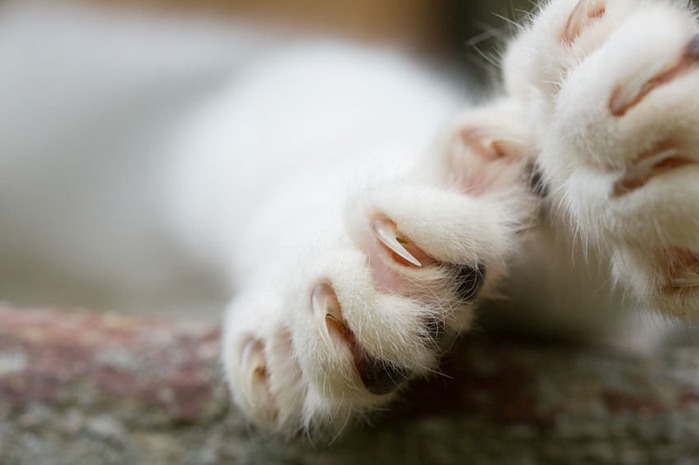
How to properly trim a cat's claws at home
Now let's look at the technique for trimming a cat's claws. Before trimming, look at the claw. The end of the blood vessel should be clearly visible against the light. Trim, leaving a few millimeters from this area. If you accidentally injure your cat, treat the claw with a hemostatic agent.
During the procedure, remember to speak gently to your cat and ignore her protests. Finally, there's a reward. If you don't want to subject your cat to such an ordeal, feel free to use anti-scratch mittens for cats.
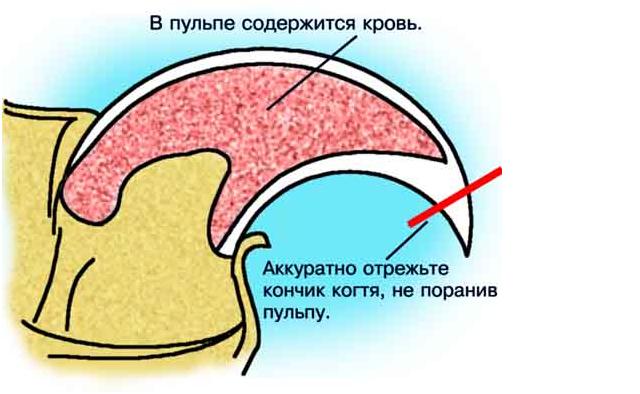
How to trim a cat's claws at home
- We trim claws only for domestic cats.
- Haircutting tools
- Step-by-step procedure for trimming cat claws





Add a comment