
How can cats and dogs survive the New Year at home?
Many people love December for the anticipation of the holidays, the sense of wonder, the scent of tangerines and pine needles, the sparkle of Christmas tree decorations, beautifully wrapped gifts, favorite movies, and the brightly illuminated streets. It's the happiest, most magical time of the year...for us humans. But is it really so for those we've tamed?
Content
- 1 Dangers and stress for pets
- 2 Providing a hydrating regime is an important part of the holiday
- 3 Habitat, Sound, and Smell: When Animals Get Lost in the Festive Atmosphere
- 4 Strategies for a Calm New Year: Creating a "Relax Zone"
- 5 The importance of observing behavior and reactions
- 6 Microclimate and air humidification
- 7 Grooming and drinking regime
- 8 Recommendations for veterinary assistance
Dangers and stress for pets
Unfortunately, the phrase "New Year" is unlikely to evoke the same pleasant emotions in your pets. This period brings additional stress for them, and everything that brings us so much joy actually poses dangers for them.
New Year tree
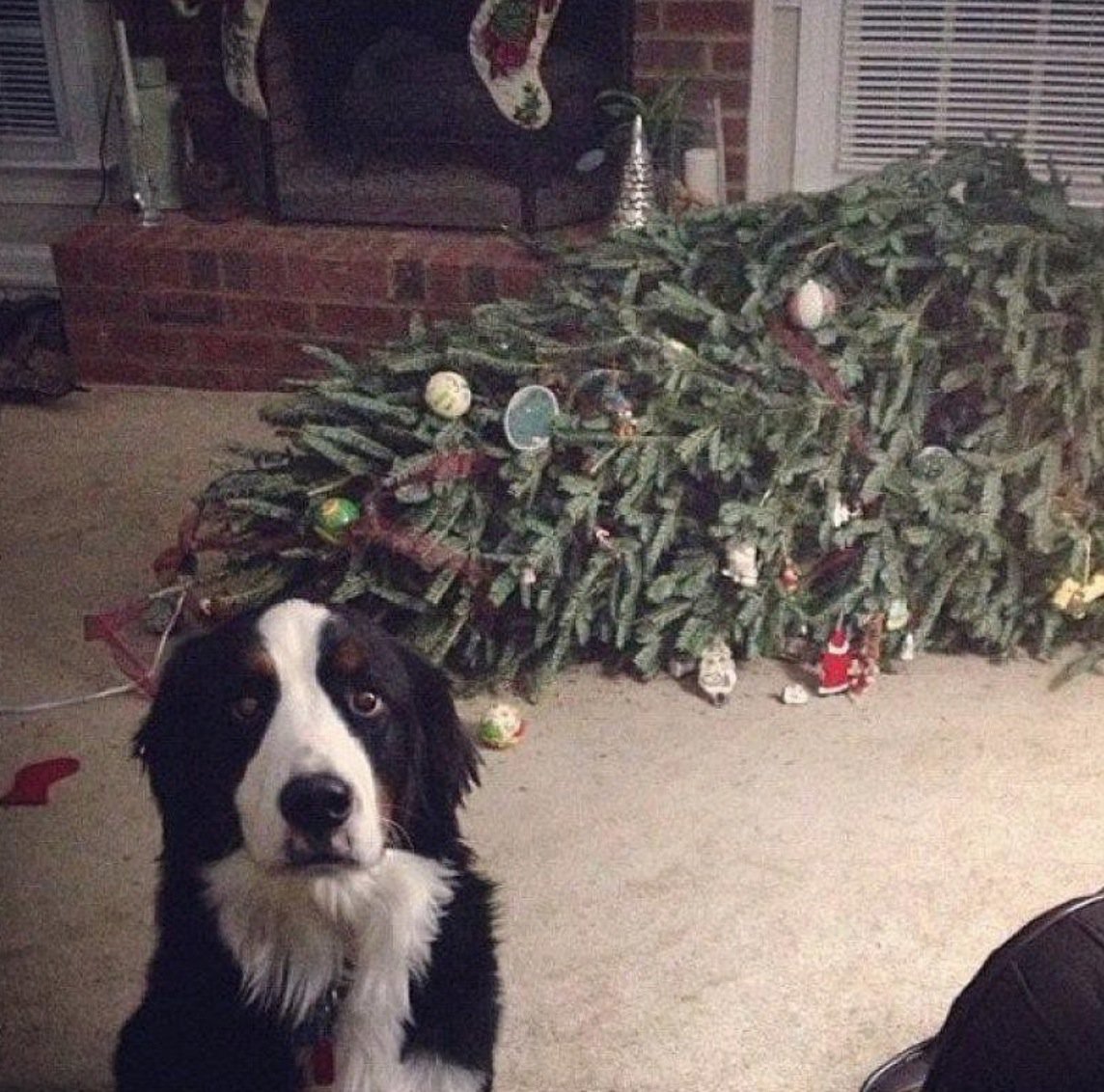
Let's start with the holiday's most important symbol—the New Year's tree. It's probably already decorating your living room with its spreading branches, glittering with decorated baubles, blinking with colorful lights, and rustling with sparkling tinsel. The primary danger lies at the root, namely, in how securely this forest beauty is secured: while playing, your furry little rascal could knock it over. Such an accident would surely frighten him and upset you.
Beautiful and enticing Christmas tree decorations are a favorite of every pet. How can you resist them when they shimmer and clink against each other, as if laughing? Like children, furry explorers explore the world through touch and sensation, so your job is to keep them as safe as possible. Try hanging foil decorations and glass ornaments out of their reach, and carefully hide the cords of your electric lights, lest you give your curious friends a session of electrotherapy.
Fireworks and salutes
Perhaps the most unpleasant thing for pets during the New Year holidays is the incessant fireworks and fireworksWe strongly recommend keeping dogs off leash during walks during this period: they may get lost, frightened by explosions or large crowds. Good soundproofing can help protect cats from unpleasant experiences.
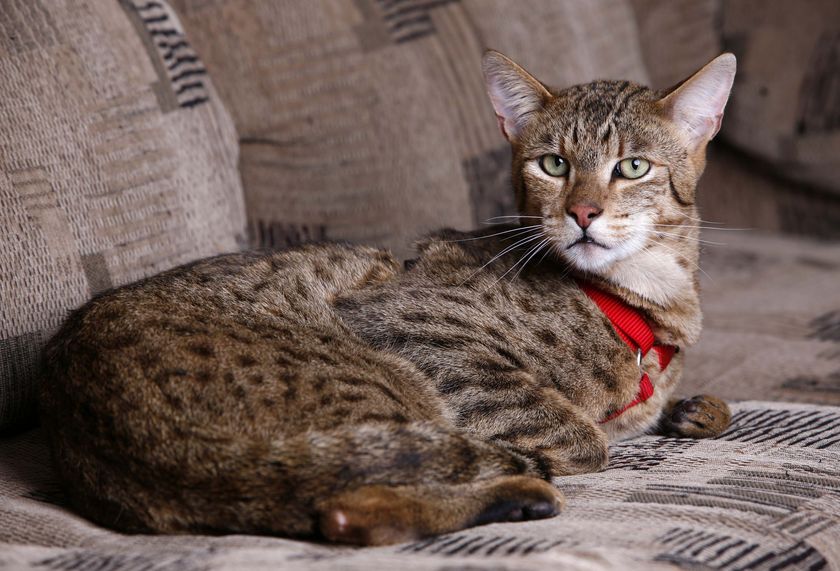
You'll have to summon all your courage to resist the pitying glances eager for your culinary delights. Sausage, shrimp, fried, smoked, salted, sweet, and other delicacies can cause an eating disorder in your furry friends and an unplanned trip to the veterinarian. If you still want to pamper your pet carnivore, consider the healthy and delicious dishes and treats developed by Canadian experts, taking into account the natural physiology of modern animals and the principle of biological appropriateness.
Providing a hydrating regime is an important part of the holiday
On New Year's Eve, pets may drink 20-30% more water than usual due to increased physical activity (jumping under the table, playing with their owners) and stress. Dehydration is especially dangerous when furry or furry pets try to hide from guests and forget to drink.
To ensure the norm:
-
For an adult cat, aim for 20–40 ml of water per 1 kg plus 70 ml of “insurance”
-
Please note that in stressful situations the norm increases to 50–60 ml/kg
-
During the holiday season, kittens can consume up to 60 ml/kg
-
Dogs, depending on their size, experience a similar increase in consumption
Table: Recommended water intake during holidays
| Animal species | Weight (kg) | Normal dose (ml/day) | Increased norm during stress (ml/day) |
|---|---|---|---|
| Adult cat | 4 | 150–230 | 240–300 |
| Kitty | 2 | 100–120 | 120–140 |
| Small breed dog | 5 | 300–400 | 400–500 |
| Large breed dog | 25 | 1500–2000 | 1800–2500 |
Please note: bowls should be filled with fresh water at least twice a day, especially if holiday preparations are in full swing in the house.
Habitat, Sound, and Smell: When Animals Get Lost in the Festive Atmosphere
When holiday lights are turned on, guests burst in, and Christmas trees and candles are set up, the smells and volume increase. This causes what's known as "New Year's fatigue syndrome" in animals. As a result, pets may hide, lose their appetite, or forget to drink.
Studies of the behavior of domestic cats and dogs show that the lion's share of the stress response is associated with a sudden change in environmental conditions. The loudness of fireworks and crackers, as well as the presence of strangers, leads to increased anxiety, which directly impacts drinking habits.
Strategies for a Calm New Year: Creating a "Relax Zone"
A smart solution is to create a separate, secluded area where your pet can rest. It's also important to have a water bottle or fountain with moving water nearby—most cats prefer this type of water source.
When setting up the area:
-
Place bowls away from noise, often in bathrooms or closets
-
Provide access to fresh water 24/7
-
Place the bowl on a stable tray - if the cat or dog is timid, the bowl should not shake
This approach will not only reduce stress, but also eliminate the risk of dehydration on the busiest evening of the year.
The importance of observing behavior and reactions
Keep an eye on your pet by observing:
-
If your pet suddenly starts drinking a lot, it could be a reaction to nervousness, but it's important to rule out the onset of infections or adverse reactions to food.
-
Intense thirst coupled with lethargy, diarrhea, and vomiting are reasons to immediately contact a veterinarian.
-
A reduction in normal water intake is also a warning sign: dehydration quickly becomes a threat when sheltering from noise.
During the holiday season, owners should ask themselves in advance, "How much should an adult cat drink per day during a change of environment?" Considering the increased amount, they can prepare in advance.
Microclimate and air humidification
Holiday trees, heaters, and dry air from string lights and holiday lighting all affect the indoor microclimate, making it drier.
-
In such conditions, it is necessary to ensure humidity at a level of 40–60% using humidifiers.
-
This will reduce the evaporation of moisture from the skin and mucous membranes, meaning pets will feel more comfortable and will be less dehydrated.
Grooming and drinking regime
During the holidays, routine brushing and tail grooming are suspended or reduced. Combined with increased water levels, this can lead to hairballs, constipation, or, conversely, loose stools.
To prevent these problems:
-
Introduce natural oils (such as flaxseed) into your diet to stimulate the gastrointestinal tract.
-
Try to maintain your grooming routine to avoid abnormal cat behavior associated with stress and dry air.
Recommendations for veterinary assistance
Even if your pet has noticed a drinking problem, plan ahead for help. Most 24-hour clinics operate on an emergency basis on New Year's Eve, but if they're overloaded, restrictions may apply.
Advance preparation—making a list of veterinary services' phone numbers and gathering a minimum set of necessary items for transporting the animal (a water bottle, a carrier, and documents)—will help minimize stress and response time.
New Year's dishes
And finally. What's a holiday without a feast? Let's be honest, the true symbol of New Year's is a table groaning with an abundance of salads, piping hot dishes, delicious desserts, and, of course... caviar sandwiches. Behind the scenes, we see hours of preparation and your long-eared hero's numerous attempts to coax something tasty for himself.
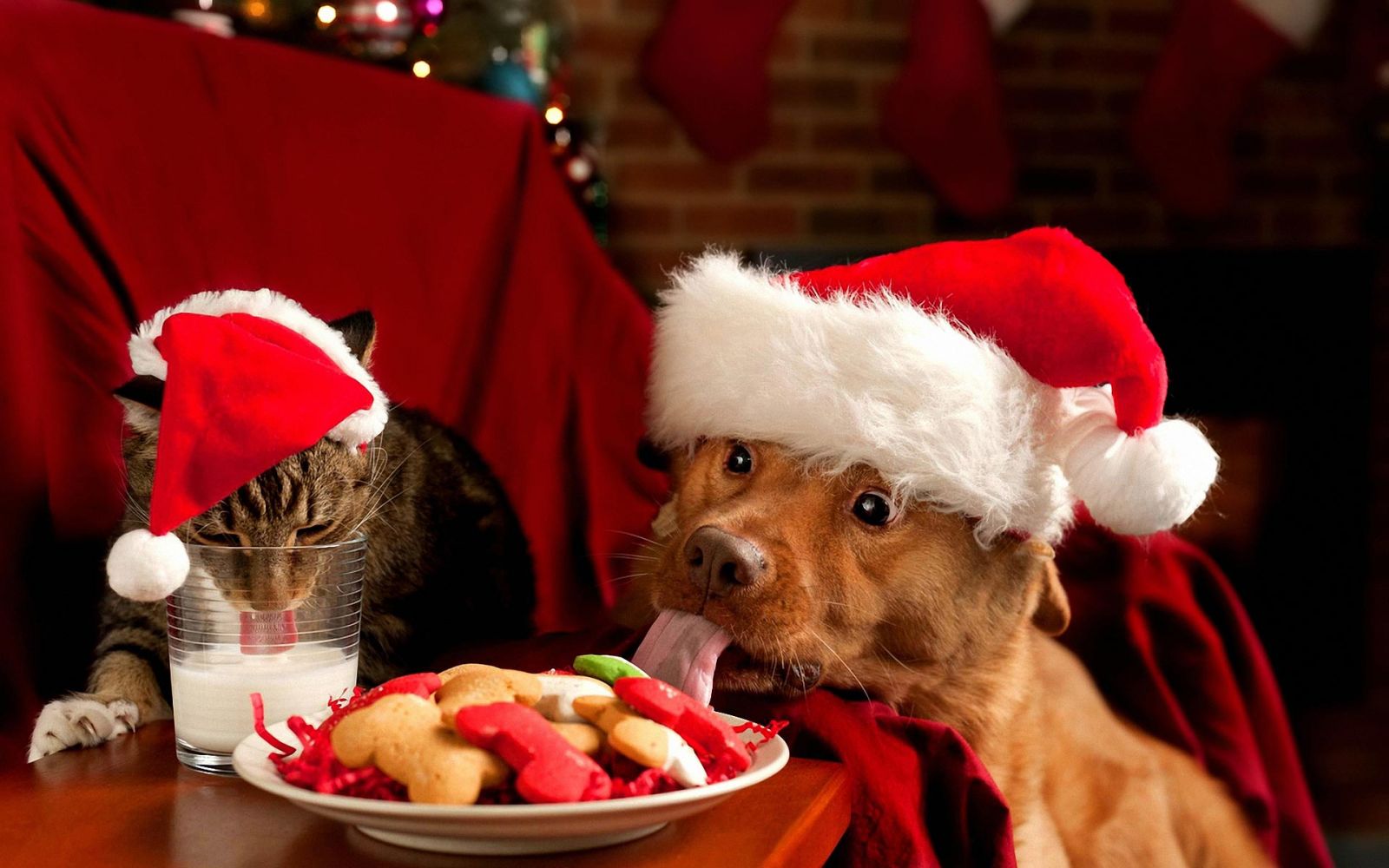
Happy New Year to you and good health to your pet!
Read also:


Add a comment