
How to Socialize a Dog: A Complete Guide for Owners
Socialization of a dog is a crucial stage of training, affecting the pet's behavior at home, outdoors, and around other animals and people. An improperly socialized dog may be afraid of unfamiliar sounds. bark at passers-by, be aggressive, or withdrawn. That's why it's important for every owner to understand how to properly socialize a dog—whether it's a puppy or an adult dog newly adopted.
Content
- 1 What is dog socialization and why is it necessary?
- 2 When to start socializing a puppy?
- 3 Socialization of an adult dog to people
- 4 How to socialize a dog with other dogs
- 5 Socialization Mistakes to Avoid
- 6 The role of a dog trainer in the socialization process
- 7 How do you know if socialization was successful?
- 8 Conclusion
What is dog socialization and why is it necessary?
Socialization is the process of acclimating a dog to the world around him: people, animals, sounds, objects, and new situations. Proper socialization helps a pet become confident, calm, and manageable.
A dog unaccustomed to social interaction may exhibit fear or aggression at any stimulus: encounters with other dogs, loud noises, children, or people wearing unusual clothing. This complicates daily life and requires behavior modification.
It is important to understand that socialization is not a one-time event, but a whole complex of activities that should be started as early as possible, but it is never too late to continue.
When to start socializing a puppy?
The ideal period for beginning socialization is considered to be between 1 and 4 months of age. This period is called the critical window—the puppy is actively exploring the world and developing basic responses to new stimuli.
During this period it is important:
-
introduce the puppy to different people: men, women, children;
-
walk in safe places so that he gets used to street noise, transport, and other animals;
-
accustom to different surfaces: asphalt, grass, tiles;
-
introduce a variety of sounds: vacuum cleaner, television, clapping.
If you miss this window, socialization may become more difficult, but it is still possible.
Socialization of an adult dog to people
Socializing an adult dog requires more patience. This is especially true if your pet came from a shelter or has previously lived in isolation.
Main tasks:
-
Adaptation to people. An adult dog may be wary of strangers. Start with a distance, not allowing strangers to pet the dog right away. Let your pet observe and get used to it.
-
Getting used to other animals. Start walks by observing dogs from a distance. Gradually decrease the distance, but don't force contact.
-
Working with reactions. If your dog barks at the sight of passersby or other animals, don't scold it, but distract it with treats or commands.
-
Consistency and gradualism. Every step should be reinforced: a new street, a new person, a new situation—everything should be a positive experience.
Patience and support are especially important when socializing an adult dog. It will take time for your pet to overcome its fears and feel safe.
Socializing a dog with people is one of the key steps in raising a balanced and confident pet. Regardless of age, whether it's a puppy or an adult, proper and timely introductions to people will help avoid future problems such as aggression, fear, excessive wariness, or even panic reactions to strangers. In this section, we'll cover in detail how to properly socialize a dog with people, which methods work most effectively, and what to pay attention to during the process.
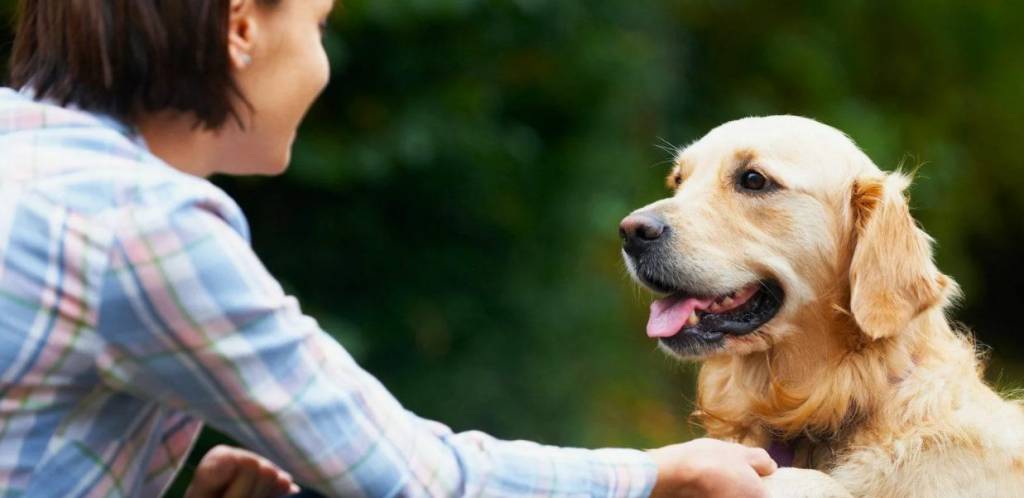
Why might a dog be afraid of people?
Before moving on to practical training, it's important to understand why some dogs react negatively or with caution to people. The reasons can vary:
-
Lack of early socialization in puppyhood. Puppies that have not had contact with different people for up to 3-4 months often become anxious towards strangers.
-
Negative experience. Shelter dogs or animals that have been abused may be distrustful and even fearful of people.
-
Defensive behavior. Some dogs, especially guard breeds, are naturally inclined to perceive strangers as a threat.
-
Problems in education. The owner may unintentionally encourage wariness if, for example, he picks up the dog when he sees a stranger or speaks to it in an anxious voice.
Understanding the cause helps you choose the most appropriate approach to socialization.
Step 1: Start with safe and controlled contact
The first step is to create an environment where your dog can calmly observe people without feeling threatened. Parks are ideal, as they allow you to keep your distance and avoid stressing your dog. It's important that people don't approach your dog without your permission.
When a dog sees a person at a distance and doesn't show anxiety (no barking, no retreating, no tension), you can gently praise it and give it a treat. This will help create a positive association: "People aren't scary."
Stage 2. Gradual rapprochement
Over time, you can reduce the distance. Introduce your dog to friends or family, warning them in advance how to behave. General rules:
-
Don't look the dog in the eyes.
-
Do not lean over.
-
Give the dog the opportunity to come up to you on its own.
-
Do not iron without permission.
If your dog shows interest, that's a good sign. Praise it and give it a treat. If it backs away, don't push it. The key is to take your time. Every successful introduction builds your dog's confidence.
Stage 3. Diversity of People
For full socialization it is important that the dog has contact with different types of people: adults, children, the elderly, men and women, people with glasses, with canes, in hats, talking loudly, etc. Variety helps the dog understand that all these “different” people are normal and safe.
Ideally, if throughout first months During socialization, the dog will be introduced to as many strangers as possible, with each contact being positive and unobtrusive.
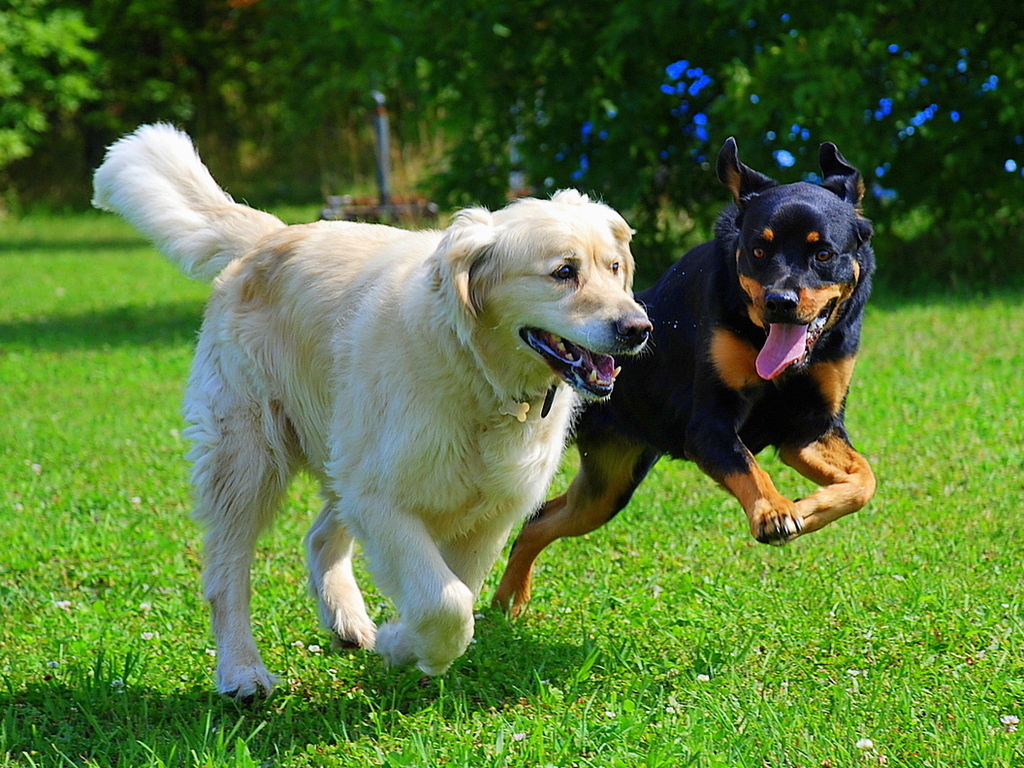
Step 4: Addressing Problem Behavior
If a dog barks If your dog is acting up at people, growling, or showing anxiety, it's important not to punish her. This will only make the problem worse. It's better to refocus her attention on something positive (a command, a toy, a treat) and increase the distance. Then try again later.
Serious behavioral issues (aggression, panic, attempts to bite) require professional help—a dog trainer can help develop a customized adaptation and socialization program.
What does it mean to be “successfully socialized to people”?
This doesn't necessarily mean a friendly reaction to every passerby. Ideally, the dog should be neutral With strangers: don't be afraid, don't attack, don't become overly excited. She can watch with interest, but at the same time remain calm and controlled.
Tips to help
-
Don't force the dog. Forcibly approaching people will only increase fear.
-
Don't overload the dog right away. It is better to have 2-3 short meetings a day than one overload.
-
Positive reinforcement is your main tool.
-
Incorporate socialization into your daily life. Walk along streets where there are people, sit with your dog on a park bench, go into quiet pet stores.
-
Be at peace yourself. Animals read emotions. If you're tense, your dog will sense it.
Properly socializing a dog with people isn't a one-time task, but a process that requires time, patience, and attention. However, the results are worth it: a well-balanced pet who feels confident in society brings joy to both its owner and those around it.
How to socialize a dog with other dogs
Socializing a dog with other dogs is an important part of training, directly impacting how the pet behaves on walks, in dog parks, and in other public places. A well-socialized dog does not exhibit fear or aggression when meeting other dogs, and is able to "read" communication cues and respond appropriately to various behavioral patterns.
Why are dogs unsociable?
There are several reasons why a dog may be afraid or aggressive towards other animals:
-
Lack of experience in puppyhood. If a puppy has not had regular contact with other dogs before 4-5 months, it may not understand how to interact with them.
-
Negative experience. Bites, attacks, and rough play can create a persistent fear in your pet.
-
Incorrect behavior of the owner. Often, owners themselves provoke tension: they pull hard on the leash, shout, punish for barking - and the dog begins to associate other animals with danger.
-
Overprotection or isolation. If a pet has lived in a confined environment since puppyhood and has not had contact with other dogs, this leads to social illiteracy.
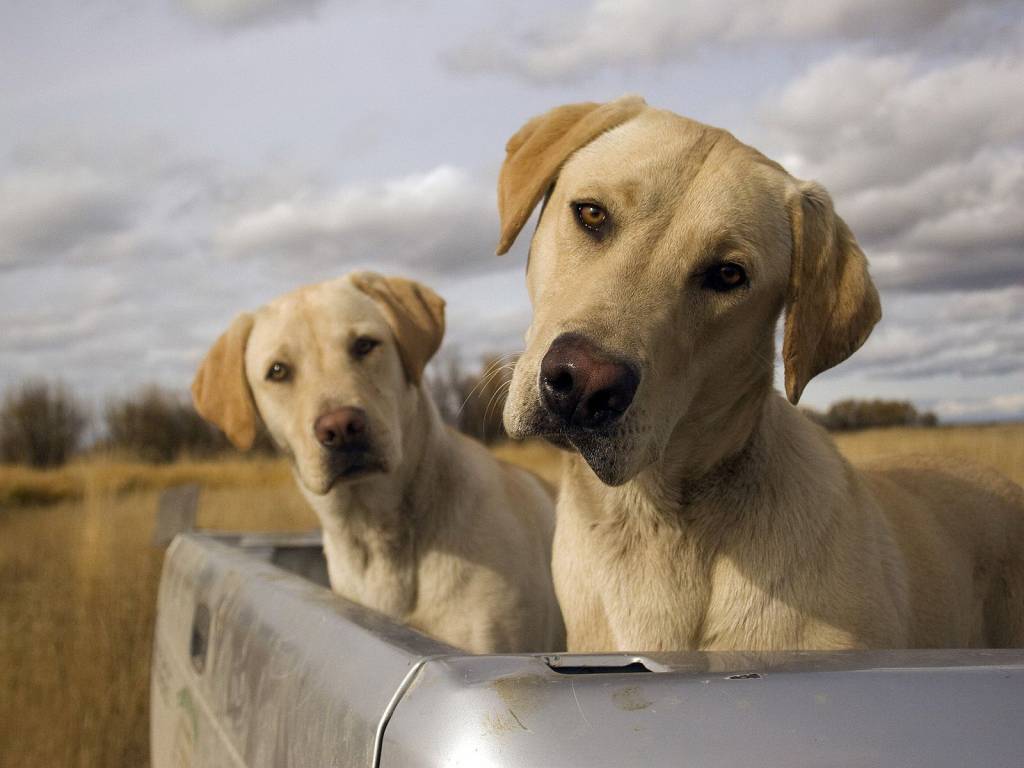
Stage 1. Observation from the side
Start from a safe distance. Let your dog simply observe other dogs from a distance: across the street, through the fence of a dog park, or in a park. The goal is to ensure the presence of other animals doesn't cause anxiety. Reward calm behavior with treats and praise.
Stage 2: Introducing balanced dogs
For the initial encounter, choose a friendly and calm dog. It's best if you already know its behavior. The meeting should take place in neutral territory, on long leashes, with space for both to separate. Allow the animals time to sniff each other without interfering. If everything goes smoothly, praise both.
Stage 3. Regular short meetings
Frequency and regularity are the key to success. It's best to have frequent, but short, and positive interactions. This could be a socially distanced walk together, a few minutes of chatting at the entrance to the building, or a game in the park.
Gradually expand your dog's social circle—let him meet animals of different sizes, breeds, and temperaments.
What is important to consider?
-
Not all dogs are meant to be friends. Socialization isn't about forcing everyone to play. It's about responding appropriately: without fear, barking, or aggression.
-
Don't punish for barking. It’s better to distract, redirect attention and work out the command.
-
Rest assured. The dog senses your tension - if you are nervous, it will be on edge too.
-
Use the help of a dog trainer. If your pet is showing aggression, an individual approach is needed.
Socializing a dog with other dogs is a gradual process. Patience, consistency, and a positive attitude from the owner will help your pet learn to feel confident around other animals.
Socialization Mistakes to Avoid
-
Forcing contactsYou can't force a dog to communicate if it's afraid.
-
Ignoring alarm signalsIf a dog hides, freezes, or barks, these are signs of stress.
-
Punishment for fearYou can't punish a dog for being afraid. This will only make the situation worse.
-
Expanding your social circle too muchNew stimuli should be introduced gradually.
Properly organized socialization of a puppy or adult dog helps to avoid problems in the future: fear, aggression, behavioral problems.
The role of a dog trainer in the socialization process
If you're facing difficulties or your dog is showing aggression, don't delay in contacting a professional. A dog trainer will help you develop a socialization plan, teach you the right approach, provide feedback on your dog's behavior, and suggest how to adapt methods to the specific situation. A dog trainer isn't a luxury; they're a competent assistant in raising a well-balanced pet.
How do you know if socialization was successful?
A well socialized dog:
-
reacts calmly to people, even in new environments;
-
friendly to other dogs;
-
not afraid of street sounds and transport;
-
behaves confidently in unfamiliar places.
This means that the pet feels safe and trusts the owner.
Conclusion
Socializing a dog isn't a one-time task, but an ongoing process that requires attention, patience, and understanding. Start as early as possible, but remember: even an adult dog can adapt. The key is consistency, kindness, and the right approach.
A well-socialized pet will delight you with balanced behavior, easy communication, and confidence in any situation.
Read also:
- How to teach a dog the "Sit" command
- How to teach a dog the command "Fetch"
- How to Train an Adult Dog That Won't Listen


Add a comment