
How to collect urine from a cat for testing
If you notice symptoms in your pet that could indicate cystitis or other urinary tract problems and are planning a visit to the veterinarian, it's important to prepare a urine sample for analysis immediately. This is the only way the veterinarian can make a correct diagnosis and prescribe effective treatment. When prescribing diagnostic tests, the veterinarian will likely explain how to collect your cat's urine for testing at home and recommend the best collection kit from the veterinary pharmacy. However, recognizing that without diagnostic tests, it's impossible to determine the cause of the illness, many owners strive to bring everything necessary for a diagnosis at the first appointment.
Content
Rules for collecting material for analysis
To understand how to properly collect urine from a cat for analysis at home, it's important to understand the laboratory requirements for the quality of the material being tested.
Important! If a cat's urine sample is collected with abnormal results, the test results may be distorted, making it difficult to make a correct diagnosis or misleading the doctor.
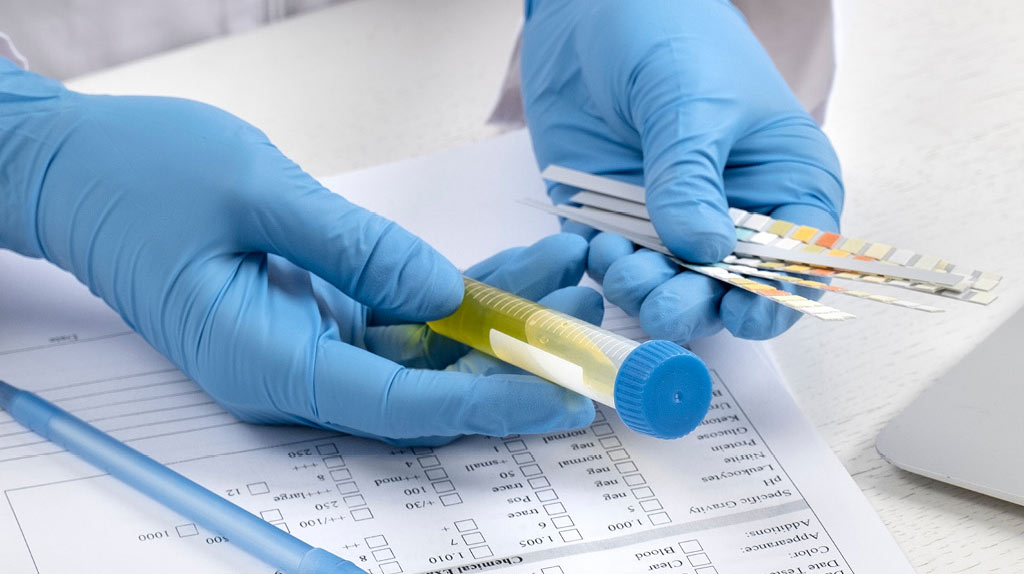
It is important for owners to know and follow these basic rules established in most laboratories:
- There should be at least 5 ml of urine, but it is better to collect 20-30 ml;
- freshly collected material (no more than 2 hours) is taken in a sterile, sealed container;
- If it is not possible to deliver the material for analysis within a short period of time, it is stored in a special test tube with a preservative for no more than 2 days (not allowed for analysis of OAM and SBC);
- no foreign impurities (cat litter, sand, hair, etc.) should get into the test tube;
- The test tube must be labeled, indicating: the owner's last name, the animal's name, the time the sample was taken, and the method of collecting the material.
Veterinarians recommend collecting urine samples at the time the animal first goes to the toilet after a long night's sleep, as this urine contains the highest concentration of elements analyzed in the laboratory, meaning the test results will be more informative.
How to collect urine from a cat
First of all, it's worth visiting a veterinary pharmacy and purchasing a special collection kit or just a sterile, sealed container designed for delivering urine to the laboratory.
Tip! If you're only planning on using a container, be sure to purchase a 5-cc syringe or sterile collection pipette, as simply pouring urine from the tray into the container can be challenging.
Now let's look at the simplest and most effective ways to collect urine from a cat at home, taking into account your pet's characteristics and habits.
Method #1 – Empty cat litter box
If your cat is litter-trained, the easiest way to collect material for analysis is to use the animal's usual litter box, with the litter removed.
Please note! Before collecting the sample, do not treat the tray with any detergents or disinfectants, as residues of these substances, even with brief contact with the urine, may affect the test results.
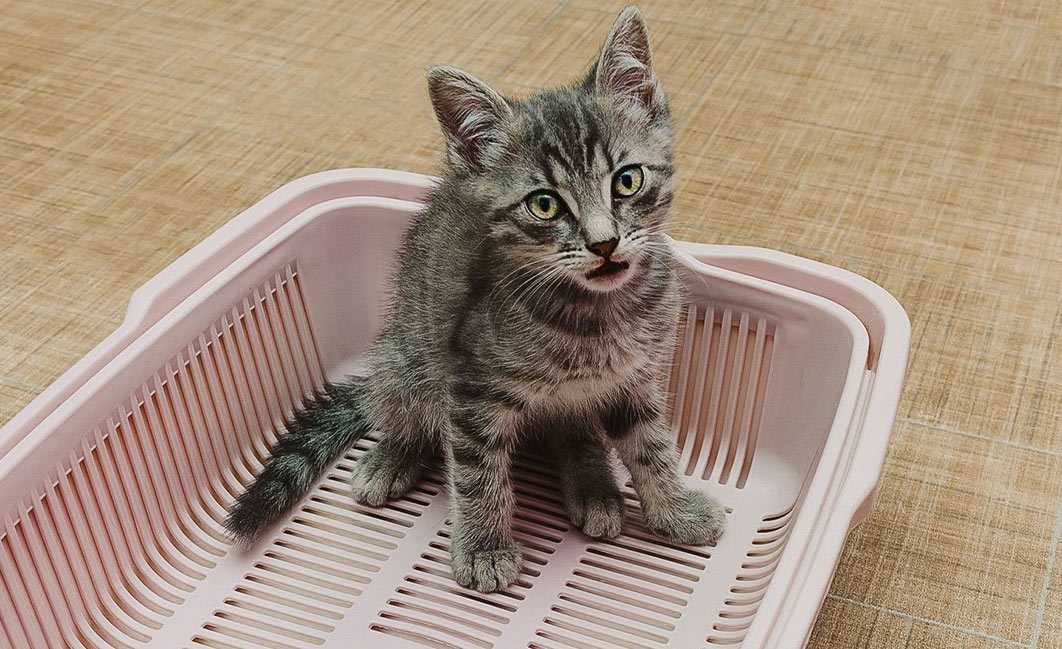
How to prepare a tray?
- Remove the filler.
- Pour boiling water over the tray 5-6 times.
- Allow the plastic to dry without rubbing (paper or cloth may leave particles on the surface).
- Place it in the cat's usual place.
- Wait until your pet goes to the toilet.
- Immediately collect the material in a container and do not forget to label it, indicating the time of packaging.
Potential problems: Not all cats are comfortable using a litter box without their usual litter and may simply refuse to pee in an unusually empty litter box.
Method #2 – a cellophane bag
This method is suitable for those who have trained their pet to use the bathtub drain or toilet.
The method for collecting urine from a cat for analysis in this case is extremely simple.
- If your pet prefers a bath, you simply need to cover the drain with a bag or cling film, creating a small depression in the center where the urine will collect.
- If your cat uses the toilet, you'll need a large bag that can be attached to the seat or secured to the ceramic with tape.
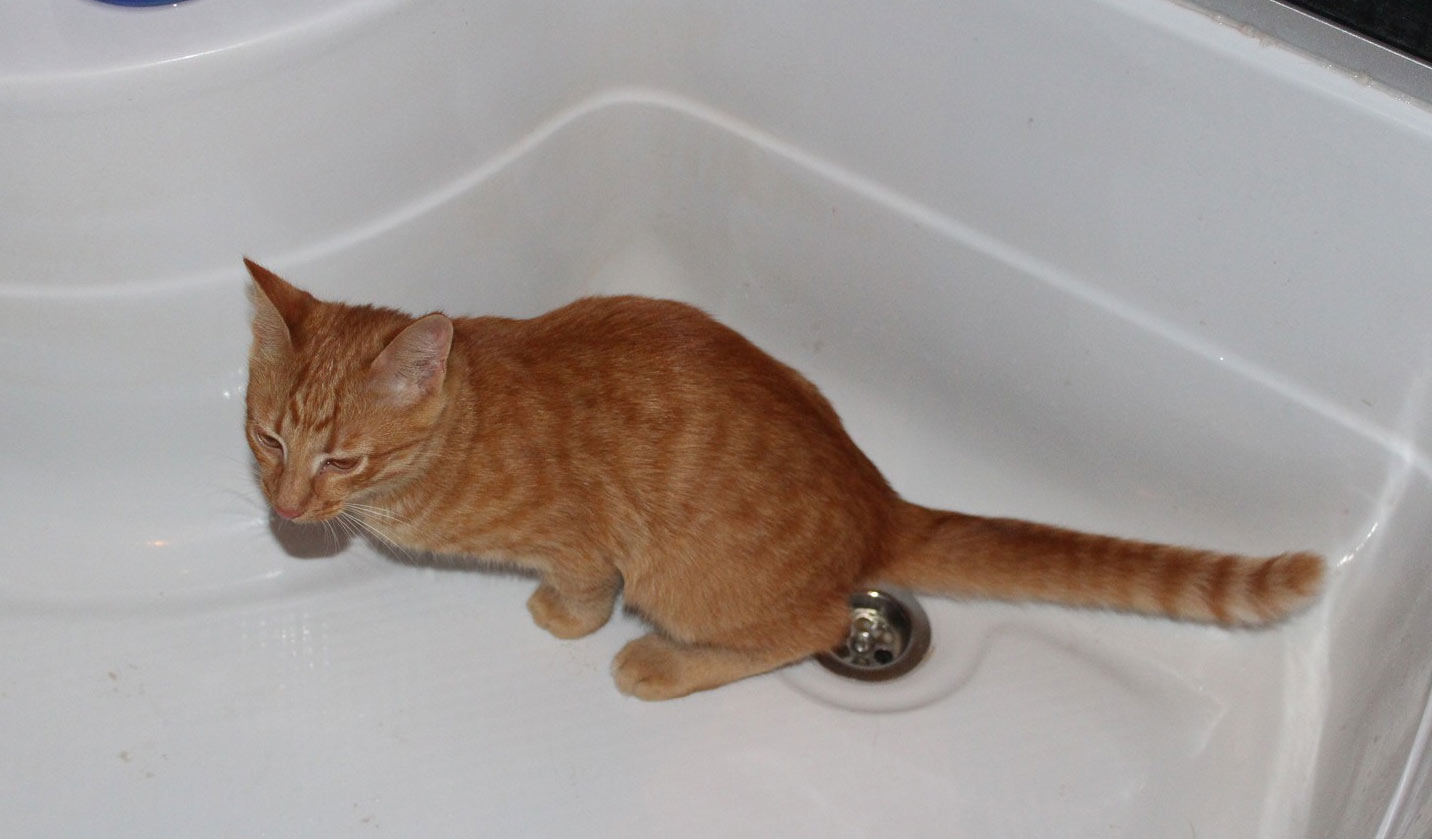
Please note that the package must be new, clean and sealed.
Potential problems: The rustling of the bag may frighten the animal, and the cat may simply decide to go somewhere else, one it considers more comfortable.
Method No. 3 – a children’s urine bag
The method works on hairless animals that, as a result of the disease, frequently urinate or suffer from urinary incontinence.
The device is quite easy to use, as the bag has a special Velcro fastening in the attachment area for securing it to the body.
Step-by-step procedure:
- Disinfect your hands.
- Unpack the urine bag.
- Remove the Velcro.
- Stick the bag to the area where the animal's urinary opening is located.
- Place a jumpsuit or diaper on top so that your pet cannot easily remove the device.
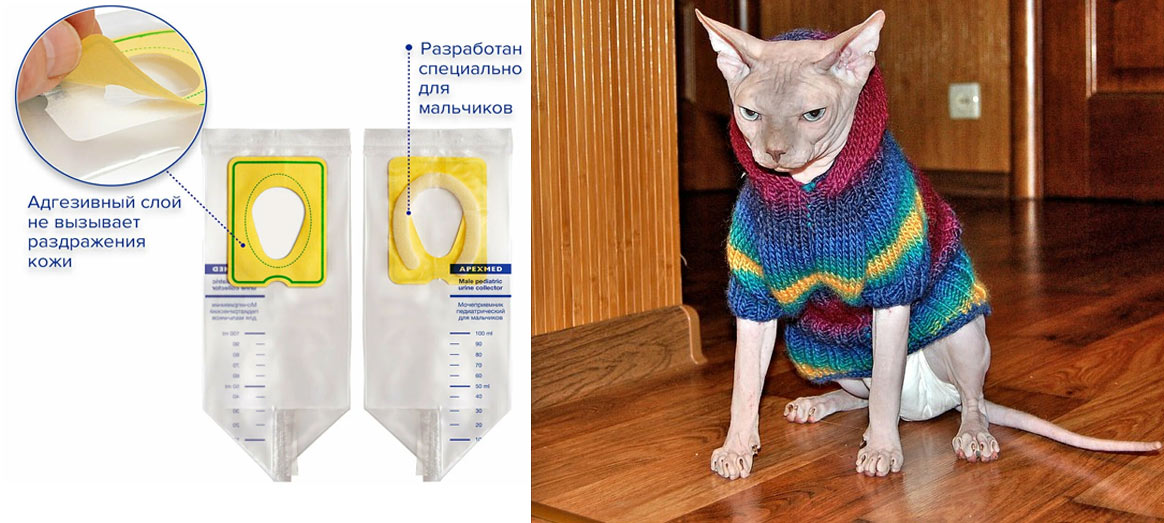
Potential problems. Most owners who have tried collecting urine from a cat using this method report that their pets react extremely negatively to the presence of an unfamiliar object on their body (they become frightened, thrash about, and become aggressive), so getting a frightened cat to urinate in such conditions can be difficult.
Method #4 – Urine collection kit for cats
Yes, this method will cost more than the previous three, but you will be able to easily collect as much material as needed for analysis without causing unnecessary stress to your pet.
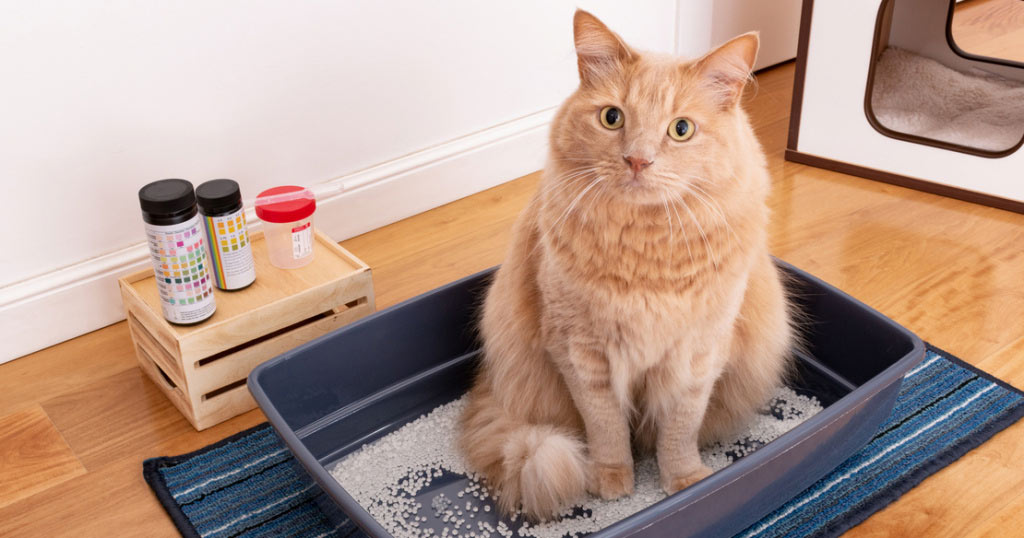
A ready-made urine collection kit for analysis usually includes:
- special filler for collecting urine from cats;
- sterile sealed test tube;
- sterile pipette.
You can find this kit not only in metropolitan areas like Moscow or St. Petersburg, but also in veterinary pharmacies in smaller towns. The price on Yandex Market starts at 370 rubles and varies depending on the manufacturer and the amount of litter. If your cat refuses to go without sufficient litter, you can purchase an additional bag (starting at 300 rubles for 500 g).

The urine collection material itself, used at home, consists of sterile, small plastic balls that do not absorb liquid and are guaranteed not to affect the test results.
This method is really easy to use, but just like the first method, it is important to wash the tray thoroughly without using chemicals or disinfectants.
Method No. 5 – urine collection at the clinic
If, despite all your efforts, your cat refuses to give in and go to the toilet voluntarily in the designated area for sampling, your veterinarian can collect sample material using a catheter, or in special cases, by performing a cystolysis (cystonesis) by puncturing the bladder through an abdominal puncture.
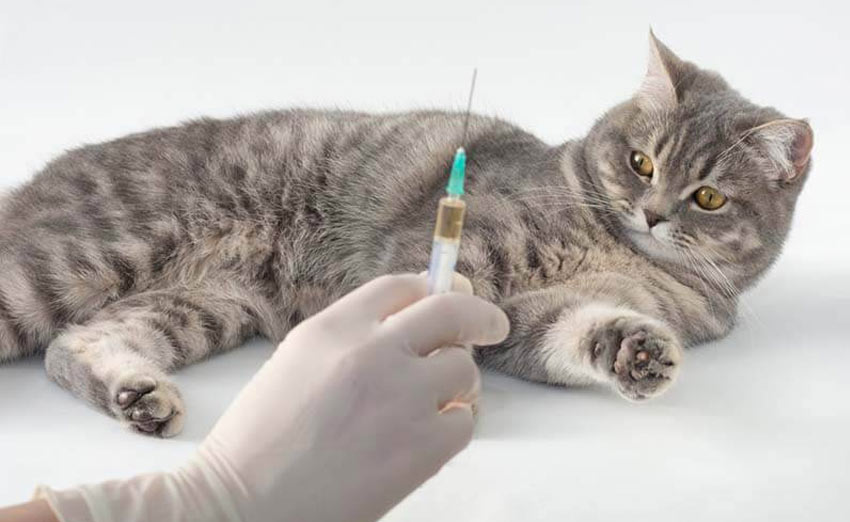
In most cases, the procedure is performed under general anesthesia, since the animal, experiencing stress from unpleasant manipulations, may struggle and resist.
Veterinarian's recommendations
Read also:
- How to tell if a cat is sick
- Elevated Creatinine in a Cat: What Does It Mean and What to Do?
- Ritis coefficient in cats


Add a comment