
How to give a cat an intramuscular injection
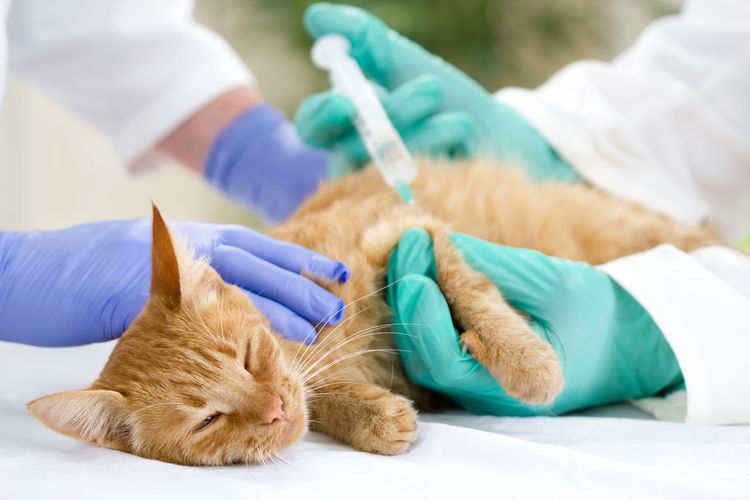
The best treatment option for serious cat illnesses is hospitalization, but this isn't always feasible. Some animals react excessively to separation from their familiar home environment or contact with strangers, and sometimes hospitalization is too expensive, so owners prefer to treat them at home. The most common question arises about how to administer an intramuscular injection to a cat without experience. In fact, acquiring the skill of administering intramuscular injections is quite easy; almost anyone can learn it.
Content
Choosing a syringe
Before giving your cat an intramuscular injection, it's important to select the right syringe. If the volume of medication being administered does not exceed 1 ml, an insulin syringe is recommended. It has the smallest needle diameter, minimizing pain and discomfort during the procedure.
Insulin syringes are ideal for injections, but a thin orifice is unsuitable if the medication being administered is oily. It can easily become clogged during injection, making the procedure time-consuming, requiring repeated punctures, and further stressing the animal. For thick medications or volumes exceeding 1 ml, a standard 2-3 ml syringe is recommended.
How to draw medicine into a syringe
Drawing the medication into the syringe is a crucial step when administering an injection. To ensure proper administration, there are several requirements:
- Before starting, wash your hands with antibacterial soap or antiseptic.
- Do not expose the needle before drawing the medication or touch it with your hands, as it may become contaminated with germs. For the same reason, reusing the same syringe for multiple injections is strictly prohibited, even for the same cat.
- Before drawing, the contents of the ampoule must be vigorously shaken to average the concentration or dissolve the sediment.
- Before you begin drawing, you should read the name on the ampoule to make sure that you are drawing up exactly the product that needs to be injected.
- Do not draw medication from previously opened ampoules. If the ampoule contains enough medication for more than one injection, it should be stored in the syringe in the refrigerator. Excess air should be removed to prevent oxidation. In this prepared state, medications can be stored for no longer than three days, after which they should be discarded.
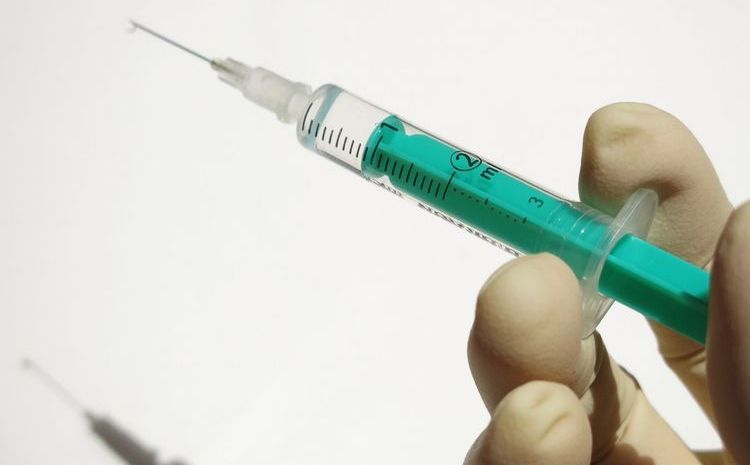
- The fluid is withdrawn completely or in the volume prescribed by the veterinarian. Small ampoules can be withdrawn upside down.
- The syringe is turned vertically upwards, and all the air is carefully squeezed out of it, and, if necessary, the excess volume of medicine.
Important information: Mixing different medications in the same syringe should only be done under veterinary supervision. Otherwise, a chemical reaction may occur that alters the medication's properties. Sometimes, such "experiments" can cost a cat's health or even its life.
The substance being administered should always be at room temperature or body temperature. If it has been refrigerated, warm it in your hands before administering the injection. This usually takes no more than a minute.
Where to inject
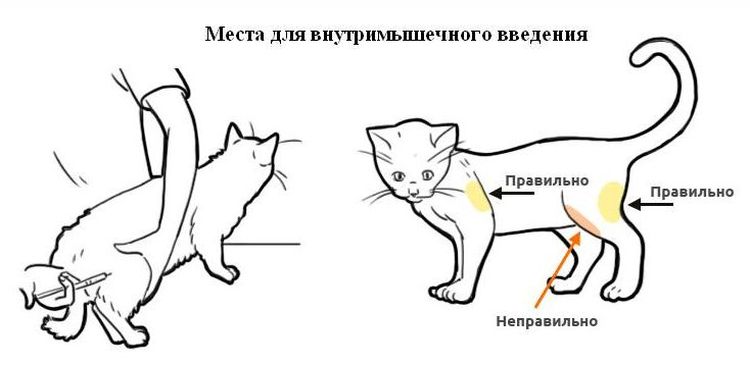
Intramuscular injections are used quite often for cats, as they are the least painful. In most cases, the injection is given to a cat in the thighThe biceps femoris muscle on the hind leg is a much less common injection site. Pain is greater here, but due to the specific blood circulation, the injection site will work faster. The most fleshy area should be chosen.
How to perform
To ensure success, it's important to plan the entire procedure in advance. Knowing your cat's temperament will help you determine whether you can administer the injection yourself or whether you need a helper.
The needle is inserted subcutaneously at a 45°C angle, almost to the maximum depth. This rule applies to animals weighing over 5 kg. For other animals, the insertion depth is 1-1.5 cm.
The speed of administration depends on the volume of medication being administered. If more than 0.5 ml is needed, the injection can be completed in 1-2 seconds, but the larger the volume, the slower the injection should be to avoid congestion in the soft tissue. Once the syringe is empty, the needle can be quickly removed. Only at this point can the cat be released.
If the animal is too resistant and struggles, it can be wrapped in a blanket, leaving only the injection site accessible. It's important to remember that pets don't tolerate such physical abuse well, so the injection should be administered as quickly as possible. Afterward, help the cat escape and reassure it, showing it is welcome and will not be harmed.
How to give a cat an intramuscular injection: video
Potential difficulties
Giving an intramuscular injection can be challenging for a non-specialist, especially the first time. It's important to remember that anxiety is contagious to your pet, so it's crucial to remain calm. The injection is necessary to help your pet, so there's no need to feel guilty.
If blood appears on the skin or fur after an intramuscular injection, this is considered normal. However, if the bleeding does not stop, apply something cool to the injection site for 15-20 minutes. It's important not to overdo it and allow the injection site to cool.
Lameness may persist for some time after an injection of painful medications, but if the limb hangs lifelessly and has lost mobility, this is a reason to consult a specialist.
Read also:
- How to give a cat an injection in the scruff
- My cat is limping on a front or back leg: what should I do?
- Veterinary passport for a cat


Add a comment