
How does cat allergy manifest itself in children?
Most child-rearing experts advise keeping children close to pets from the very first days of life. The only danger is the potential development of a cat allergy. To quickly help your child and mitigate the consequences, it's important to understand what this allergy is and how it manifests.
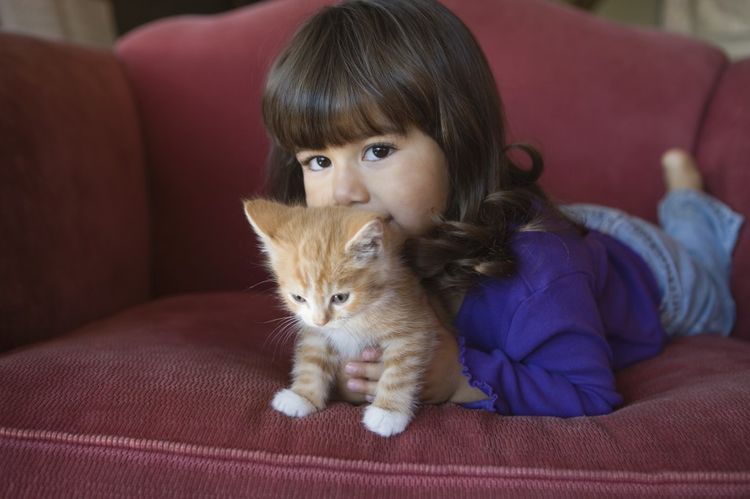
Content
What causes allergies?
It's believed that cat fur is the main allergen that can cause an allergic reaction. This isn't actually the case. The following factors are recognized as the main allergens capable of triggering an abnormal immune response:
- A protein component of sebum secretion that causes 80% of allergies. Cats secrete it in smaller quantities than male cats.
- A protein found in blood and dead skin cells. It accounts for approximately 25% of cat allergies.
- Components of cat urine. They cause 12% of allergic reactions.
Main features
The reaction may vary in intensity and location in different children. The most common signs may include:
- skin manifestations – rash, blisters, red pimples, hives, peeling and dry skin, irritation, small red dots resembling broken capillaries, etc.;
- catarrhal manifestations - conjunctivitis, rhinitis, lacrimation, redness of the eyes, itching in the nose, hoarseness, sneezing, red throat, dry cough, swelling of the eyelids, rhinitis, difficulty breathing, shortness of breath;
- Systemic manifestations include increased temperature, decreased blood pressure, swelling of the nasolabial triangle, dark circles under the eyes, drowsiness, increased moodiness, or sudden mood swings.
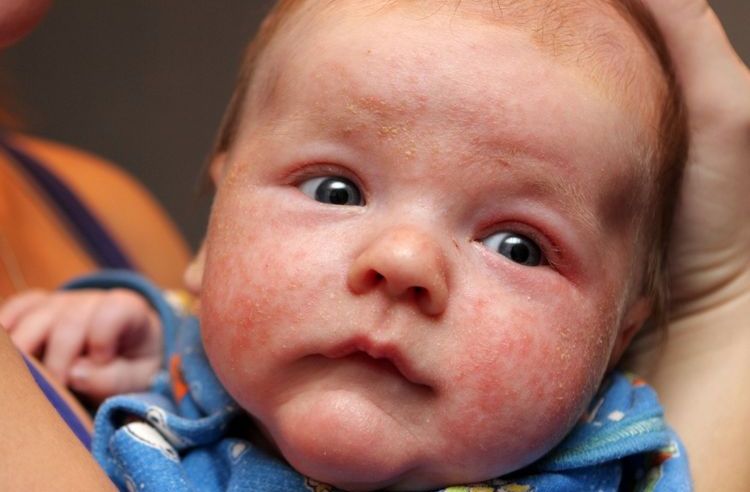
Typically, the most severe reactions occur in newborns and infants, as their immune systems are still developing and are more vulnerable to allergens spread by cats. The consequences for newborns can also be more serious.
In children, skin manifestations most often come to the forefront, since their skin is very thin and susceptible to various types of allergies.
Children who have already been exposed to other types of allergies – food, medications, and vaccinations – are more likely to also exhibit allergic reactions to the presence of animals in the home.
A newborn baby with a weak immune system may show signs of allergy even after someone else comes into contact with animal hair or bodily fluids.
Many parents note that symptoms appear precisely after the presence of a cat in the home—months without problems end with a sore throat, poor sleep, and general irritability in the baby.
Comparative table of symptoms
| Age | Main features | Additional signals |
|---|---|---|
| Newborns | Eczema, red cheeks, dry skin | Crying, feeding problems, itching |
| Infants (1–6 months) | Sneezing, difficulty breathing, wheezing | Regurgitation, poor weight gain, moodiness |
| One-year-old children | Cough, runny nose, conjunctivitis | Drowsiness, lack of appetite, poor sleep |
It's important to note that understanding whether a newborn is allergic to cats is often only revealed after ruling out other causes, such as humidity, dust, and food allergens.
How quickly do symptoms occur?
Statistics show that children develop allergic reactions to cats much faster than adults. In some cases, the first signs can appear within minutes, but sometimes the reaction takes hours or even days.
Typically, children who react to cats very quickly experience a severe reaction, which worsens rapidly and requires immediate medical attention. Anaphylactic shock, a dangerous condition caused by a severe allergy, can quickly lead to death, so specialized care is essential in such cases.
Some children develop cat allergies very slowly, with the first symptoms appearing only several years after birth. Medical statistics show that the age at which the first clinical reactions to cat allergens occur is between three and seven years.
Children whose parents suffered from any type of allergy are 60% more likely to develop allergic reactions when in contact with cats than children whose parents do not have allergies.
Diagnosis: Distinguishing Cat Allergies from Other Allergies
Most children with confirmed cat allergies are diagnosed through skin testing or blood testing for specific IgE antibodies. However, the first signs are often detected at home:
-
Symptoms appear soon after petting the animal or cleaning the cat's room.
-
Treatment with antihistamines or local drops brings relief.
-
The condition worsens when the child lies on the sofa or plays in the pet's area.
It is useful to compare the severity with other allergens:
| Allergen | Skin symptoms | Respiratory manifestations | Frequency in babies |
|---|---|---|---|
| Pollen | In rare cases | Frequent (coughing, sneezing) | Low |
| Food products | Severe rash, eczema | Less often | High |
| Cat fur | Eczema, itching, rashes | Very often (especially at night) | High |
Characteristics of cat allergies: points of difference
An analysis of top resources revealed additional features that are rarely mentioned in the core articles:
-
Periodic increase in body temperature to 37–37.5°C, especially after sleeping next to a cat.
-
Difficulty breathing during physical activity - the child may be constantly tired and lack energy.
-
Changes in appetite - if a child has allergy symptoms, they may refuse to eat, especially after playing on the floor with the cat.
How to determine if a child is allergic to cats
Parents can conduct an allergen "test" themselves:
-
Remove the cat from the child's room for 2-3 days.
-
Wipe furniture and floors with hypoallergenic products.
-
Give your baby an antihistamine as recommended by your doctor.
-
If the symptoms disappear or significantly weaken, this is a strong sign that the child is allergic to cats.
A skin test will be required for confirmation, but this method allows parents to independently and with high accuracy identify the allergen.
Tips: What to do
Home diagnostic table for allergies:
| Step | Action |
|---|---|
| 1. Removing the cat | At least a week from the room |
| 2. Cleaning with allergen minimization | Detergents, HEPA filters |
| 3. Drug therapy | Antiallergic drops and ointments for the skin |
| 4. Print symptoms | Keep a diary: when and under what circumstances did the contact occur |
| 5. Consultation with an allergist | IgE testing, pharmaceutical support |
In any case, adults who notice such symptoms in their children should consult an allergist. Until the doctor prescribes treatment, the house should be kept spotlessly clean, with daily wet cleaning and bathing the cat more frequently than usual. The cat's sleeping area should be clearly separated from the child's bedroom, and the cat's access to the nursery should be temporarily blocked. It's a good idea to have a humidifier, ionizer, or air purification system to remove fine particles in the apartment or house.
Read also:


Add a comment