
How to train a dog to wear a leash and collar
The most important task facing a pet owner is training a dog to wear a collar and leash. Training should be gradual, beginning from the first days after acquiring a puppy. A leash serves several functions: it allows for control of the dog, fosters obedience and affection, and protects it from other animals and vehicles.
Content
Getting to know the ammunition
The puppy's equipment should be selected in advance. A collar made of soft, lightweight material is preferable. For a small breed, a collar made of a soft, lightweight material would be a suitable option. harnessA puppy's first leash should be no longer than one and a half meters. A long silk cord or a self-retracting retractable leash is not suitable. Before training, it's a good idea to keep the collar and leash in the house for a while. You can rub them with the pet's brushed hair to help eliminate odors.
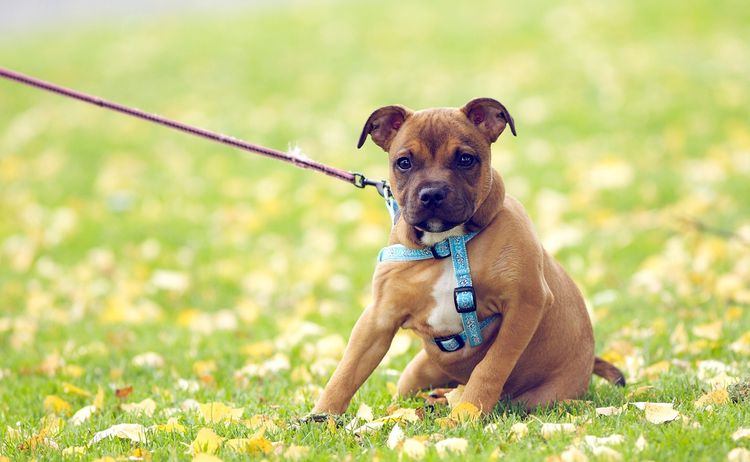
Introduce the new harness carefully, so as not to frighten the puppy. Allow the puppy to sniff it thoroughly. Then, gradually and gently teach the dog to put its head through the collar, rewarding it with a treat. Once the collar is around the puppy's neck, begin a distraction game.
At the slightest sign of anxiety or attempts to pull off the collar, the harness is removed quietly and without making any noise. Gradually, increase the amount of time the dog wears the collar. You can try putting the collar on while the dog is sleeping. When the puppy stops responding to the collar, attach the leash. The end of the leash should dangle freely, but the puppy should not be allowed to play with it.
Basic principles of leash training
Training your dog will go faster if you adhere to the following principles:
- The whole process training Based on affection, treats, and play. Punishment is excluded.
- Training begins for a puppy as soon as it turns 1.5 months old.
- The collar and leash are put on when the pet has already become accustomed to them.
- At first, the equipment is on the baby for only a few minutes.
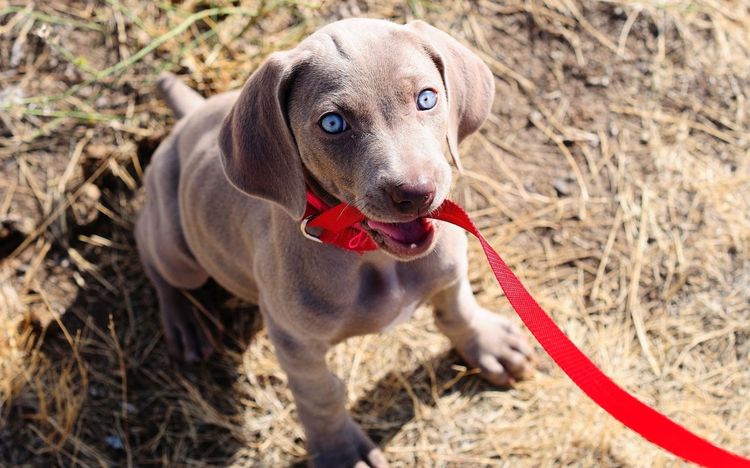
Initially, training walks with the puppy on a leash are done around the apartment. It's important to avoid tugging or pulling. Walking outside is possible once the process has been fully practiced at home.
Outside, a puppy is trained to follow its owner. This is done by using treats and gentle nudges in the desired direction. Training is best started at 3 months of age. The puppy should obey and follow its owner, feeling the tension on the leash. This is especially important for large breeds.
Consistency is the most important aspect of dog training. When training is done correctly, dogs will happily do whatever is required. Understanding that good behavior is rewarded and bad behavior is discouraged helps dogs develop good habits.
What not to do
Novice owners make many mistakes when training their pets. When training a dog, it's important to avoid:
- Allow your pet to play with the leash and chew on it.
- At first, after putting a collar on the puppy, leave it unattended.
- Use ammunition for punishment.
- Allow the puppy to bite and resist when the collar is put on. Calm it down, and then repeat the process.
- Pulling a stubborn puppy on a leash is best done with a treat or toy as bait, distracting the baby.
- Punish the puppy, shout, wave your arms.
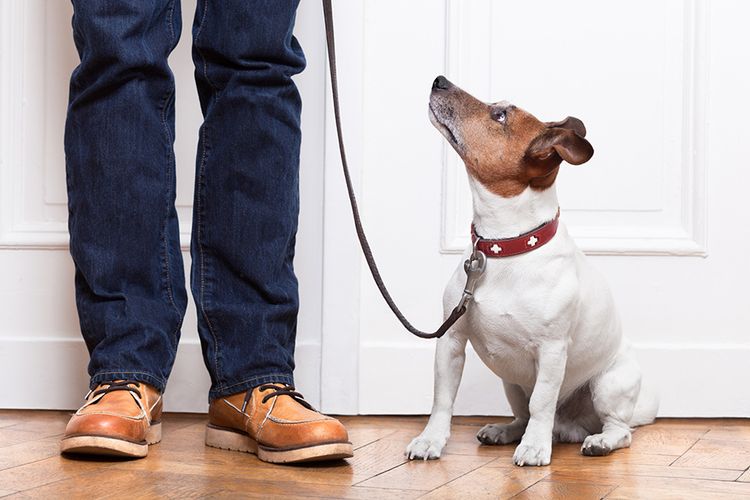
A calm and persistent demeanor from the owner will help quickly and successfully accustom the dog to walking accessories.
Training an adult dog
The methods for leash training an adult dog are not much different from those for training a puppy. The same principles apply. A pet learns to walk on a leash very quickly once it understands that it is completely harmless. For training an adult dog, it's best to use a so-called training leash. This is a long, thin cord, one end of which is attached to the collar and the other drags along the ground. During walks, you can periodically pick it up. At the slightest tension, the end of the cord is dropped back to the ground.
When you need to restrict your pet's movement, simply step on the cord. However, if possible, avoid tugging on it to ensure the dog feels free. When going for a walk, show the pet the leash every time. This evokes positive emotions and develops a conditioned reflex: the unfamiliar cord in the owner's hands means it's time to run and play.
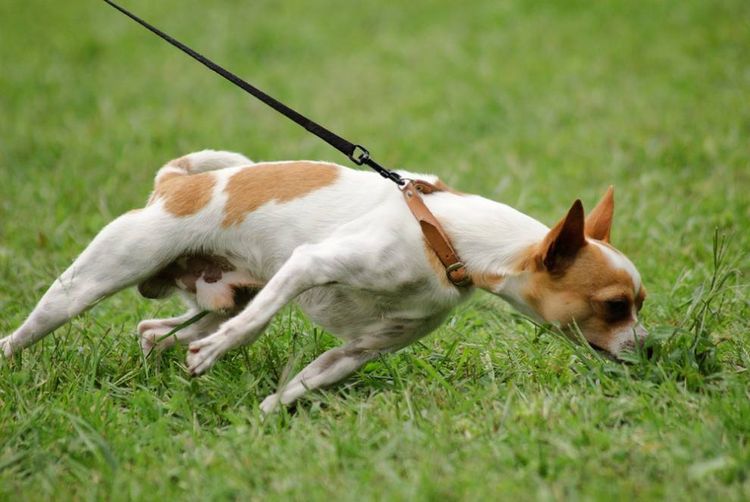
The next step is to teach your dog not to pull during a walk. If you feel even the slightest tension, stop moving and distract your pet. When your dog walks correctly, reward it with praise and a treat. Gradually, it will begin to understand that it should walk without pulling on the leash. Patience shown during the training process will be rewarded with a pleasant walk and peace of mind for its safety and well-being.
The main enemy of training is monotony. Training shouldn't last too long. After walking about 30 meters, stop to play with your pet. If you're having difficulty training an adult dog, you can enlist the help of a dog trainer.
Read also:


Add a comment