
How to train a dog to wear a muzzle
How to train a dog to wear a muzzle is a challenge every owner faces. This accessory is essential when taking your pet out into public places and during veterinary procedures. Mistakes made when putting on any new equipment often cause stress in dogs. Therefore, training your dog to wear a muzzle should be done correctly and gradually.
Content
Choosing the right accessory
When choosing an accessory, consider its purpose first—whether it will be used to ensure the safety of others or to discourage the pet from picking up food from the ground. Depending on this, consider the degree of openness of the accessory. The material used to make the accessory is also crucial.
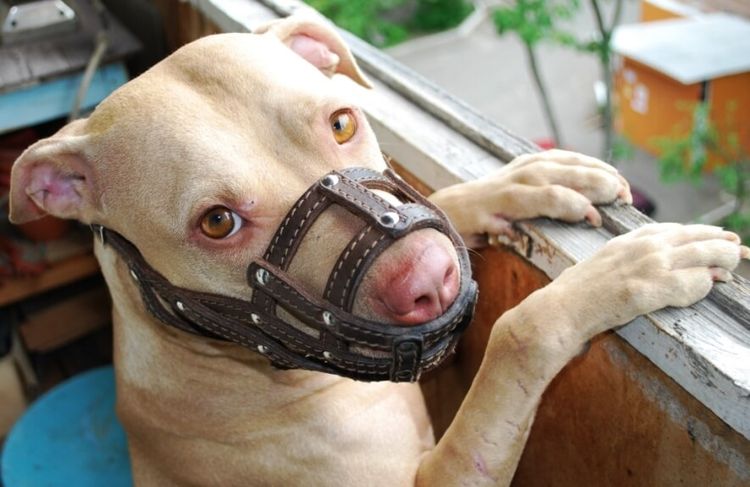
Main types:
- Metal mesh. This is one of the most durable options. A drawback is the risk of bruises on the owner's body from impacts while playing with the dog. Furthermore, metal accessories should not be worn in freezing temperatures.
- Leather. The main advantages are comfort and safety. In hot weather, a version that's too closed can make breathing difficult, preventing cooling.
- Plastic – lightweight, comfortable. Suitable for training. Drawback: it breaks easily and chafes the muzzle during everyday use.
- Nylon. Quite soft, durable, especially suitable for small breeds.
It's important that the muzzle fits comfortably. It shouldn't rub, pinch, or interfere with the dog's breathing.
First acquaintance
After returning from the store and unpacking your purchase, invite the dog to sniff it. Then, carefully, without putting the muzzle on completely, fasten it around the dog's neck and let it walk around the apartment for 10-15 minutes.
A positive reaction to the muzzle can be developed by throwing a treat into it. After eating it from this unusual "bowl," after a few sessions, the dog will begin to happily wag its tail at the sight of the accessory. When going for a walk, it's recommended to initially carry the muzzle in your hand, not allowing your pet to play with it.
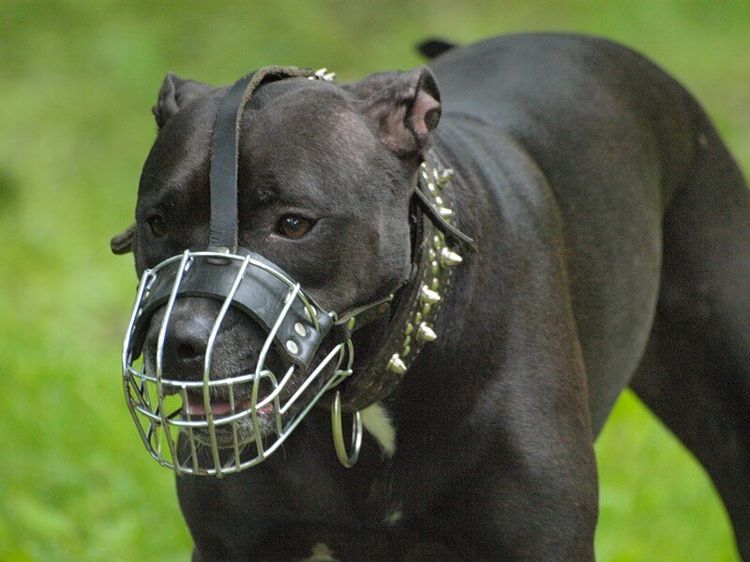
Large breeds are trained to wear a muzzle starting at six months. Wearing one should be associated only with positive and joyful emotions. Your pet quickly understands that this is a temporary measure, after which a reward awaits. Praise and treat your puppy every time it successfully completes a task. If it fails, simply ignore it. During the training period, avoid wearing a muzzle during veterinary visits or any procedures that cause discomfort or pain.
Main stages of training
While a puppy can learn to wear a muzzle in a week, an adult dog will require more patience. This will take at least three weeks. The key steps for training an adult dog are:
- Let your dog sniff the equipment and ensure it poses no threat. Once your pet loses interest, give it a treat.
- Place a treat in the muzzle, allowing the dog to retrieve it. It will be forced to stick its muzzle inside. Don't put the muzzle on at this point; wait until the dog releases it on its own.
- As soon as the dog wears the muzzle for two seconds, give a treat. Treats are then given after specific periods of wearing the muzzle. If the muzzle wears for more than seven seconds, snap the buckle and immediately unfasten it. Repeat this maneuver several times until the dog begins to ignore the snapping of the buckle. After this, increase the time the dog wears the muzzle, always giving treats and rewarding calm behavior.
- Once the dog has become accustomed, walks begin. The muzzle should be placed in a way that ensures the pet feels comfortable. If the dog attempts to remove it during a walk, actively distract it. It's best to walk in unfamiliar areas with plenty of distractions. Calm behavior should be rewarded with a treat. Remove the muzzle only when the pet is distracted and no longer paying attention to it. Never remove it if the dog tries to remove it on its own.
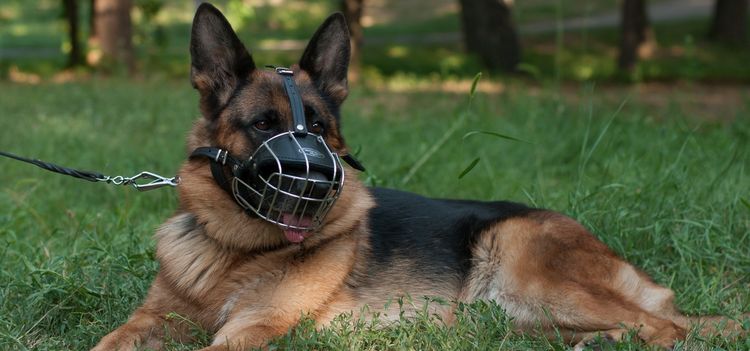
To avoid negative associations in the animal that arise when wearing an accessory, put it on well in advance of any unpleasant procedures. After the procedure, praise and reward the pet. delicacy.
Typical mistakes
The main mistakes made by inexperienced dog owners:
- Moving on to the next stage of training without having fully completed the previous one.
- Removing the muzzle when the dog tries to do it on its own.
- Purchasing a model for your pet that is not the right size and causes discomfort.
- Putting on equipment immediately before performing an unpleasant procedure.
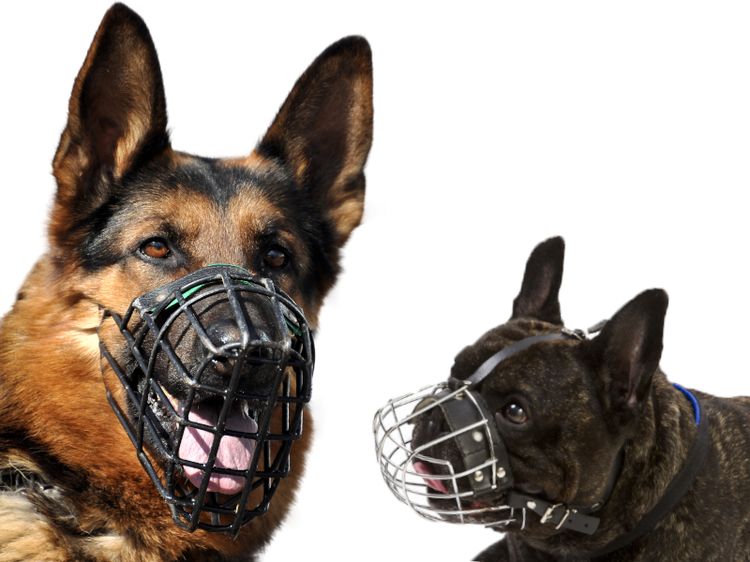
It's important to remember that retraining a dog is much more difficult than developing the necessary skills correctly in the first place. Patience and understanding on the part of the owner will help the pet quickly understand what is required of it.
Read also:
- How to stop a dog from biting
- How to stop a dog from barking
- General dog training course without a trainer
.jpg)


Add a comment