
How to train a dog to stay put
It's worth learning in detail about how to housebreak an adult dog or a small puppy before a new pet arrives, as its personal space should be fully organized on the day the animal arrives.
Content
How to equip a place
For a dog, “place” is its personal territory, which the animal should associate with comfort, peace and safety.
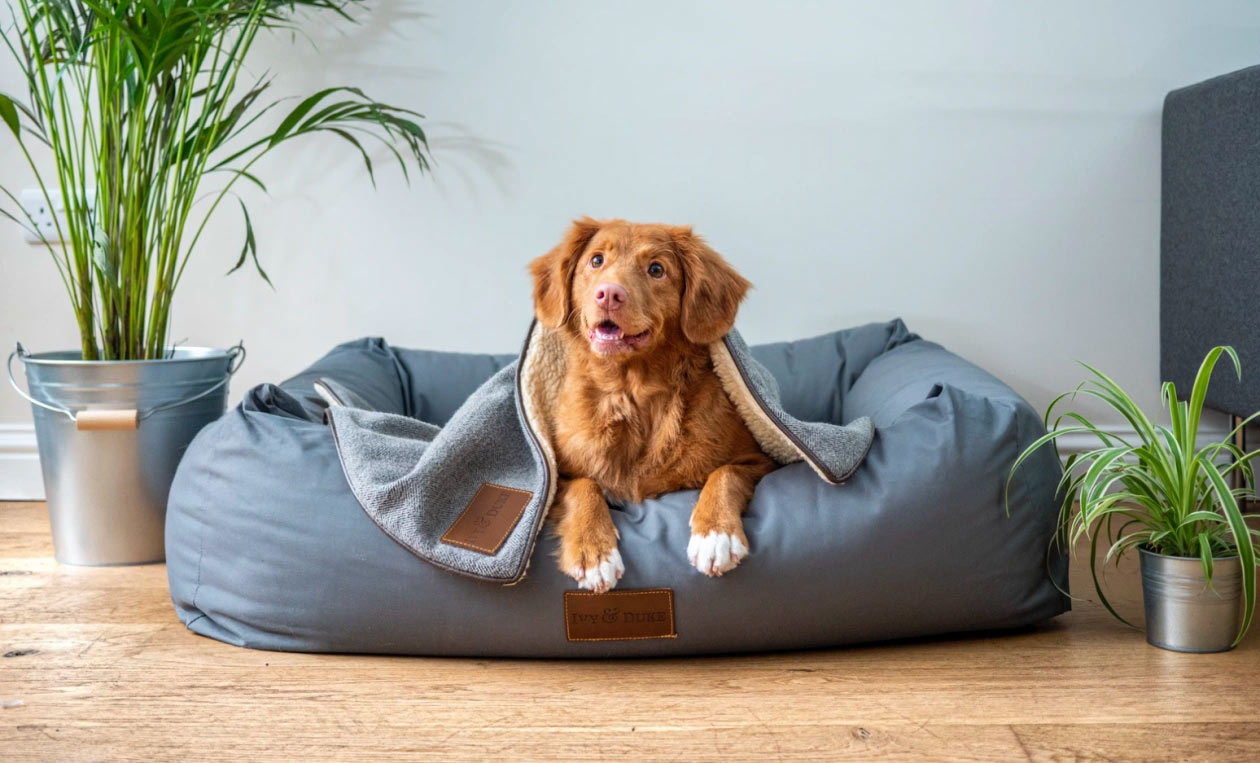
The pet's sleeping area in the house should be located away from drafts and heating devices, but it is advisable to arrange the bed in such a way that the pet can freely observe the people who are next to it in the room.
If the puppy's bed is hidden behind furniture, the dog will jump up every time it hears any sounds in the apartment, which will cause increased anxiety in the pet.
To designate a specific place for a dog in the apartment, you can equip it:
- warm bedding;
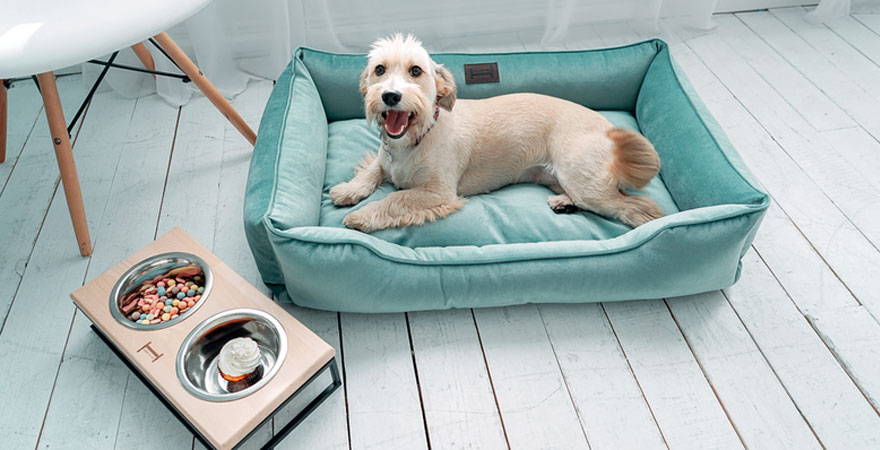
- a soft sleeping bed with low or high sides;
- a framed zoo bed that raises the mattress above floor level;
- a cozy house for your pet to sleep as peacefully as possible.

Please note that choosing a bed should be based on your pet's size. As your puppy grows, you may need to replace their bed with a new, more spacious one.
Basic rules
Training your pet and accustoming it to its "place" begins from the first day it arrives in the house. At the same time, owners themselves should follow a number of rules that will help quickly train their dog to sleep and rest in its own bed:
- Encourage your child to return to his “place” independently after playing or walking around the apartment.
- Do not disturb your pet if it is in its “place”, and do not allow other family members to do this,
- Never scold a puppy who is in his place.
- Don't force your dog to go to the place.
- Don't use the "Place!" command as a punishment.
How to housetrain a puppy
Although all breeders say the optimal age for a puppy to move to a new home is 2.5-3 months, in practice, many puppies are sent to their new owners as early as 1.5 months. Naturally, such a little one can be very anxious, whine at night, and have a hard time adapting to a new home without the familiar warmth of their mother and numerous siblings to whom they were so happy to bond at night.
To help your puppy get used to a new place, experienced breeders advise:
- ask the breeders for a rag that has been lying in the “nest” for some time (the familiar smell will calm the baby);
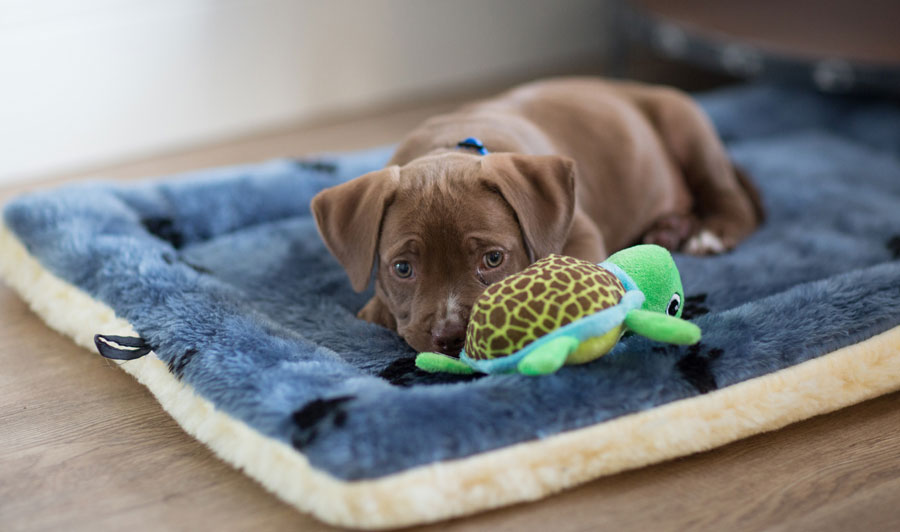
- Place a large soft toy next to the puppy that he will enjoy snuggling with while sleeping;
- Place the puppy's "place" near the owner's bed or sofa so that if the puppy wakes up at night, it can be easily petted and calmed by simply reaching out a hand.
If you don't want your adult pet to sleep in your bed, don't train them to do so from the very first day of your life together. Remember, it's much more difficult to wean an adult dog off of their owner's bed than to acclimate a young puppy to a new place. Typically, adaptation takes less than a week, and once you understand how to quickly acclimate your dog to its bed, you'll easily teach your pet to rest in its designated "spot" day and night.
Place Team
Regardless of breed, every dog should know its designated place in the house and be able to go to its bed on command “Place.”
Training takes place in several stages:
Stage #1. Getting to know the bed.
The main goal of this stage is to explain to the dog that the place is cozy, comfortable, and safe. It should be clear that this is where the pet can rest and will not be disturbed.
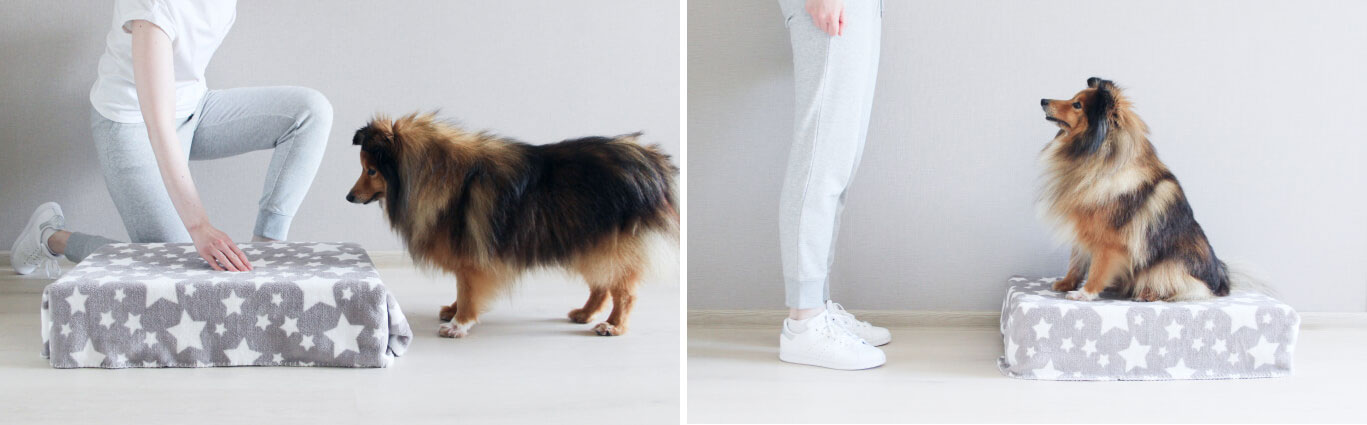
Next, if necessary, you can teach your pet to stay in a "place" near an object left by its owner. This could be anything: a backpack, a bag of food, a leash, or any other object.
For more information on how to do this, watch this video:
How to train an adult dog to stay put
As a rule, training dogs after two years is more difficult than training a young puppy. But even here, the process depends on a number of individual factors:
- animal sociability;
- level of training;
- his previous experience of living near people;
- comfort of the space that you were able to organize.
To understand how to housetrain an adult dog, check out our puppy training recommendations. The principles are the same, regardless of age.
Remember that, just like people, every animal is an individual and has different learning abilities. Some immediately understand their owner's requests and happily comply with them for a reward, others are less enthusiastic, and some resist and simply don't want to be "in the same place," preferring to rest on a cooler floor or a more comfortable chair, bed, or sofa.
What to do if your dog doesn't like the "place"
But if your dog flatly refuses to obey the "Place" command, don't be too quick to dismiss them as "untrainable." Consider what might be preventing your pet from learning the new command. In practice, a dog may refuse to stay if:
- the new bed bought to replace the old one is too different and the dog doesn’t like it;
- the synthetic material becomes electrified and at the moment of discharge it causes painful sensations to the animal;
- the location was chosen poorly (the dog is cold, hot, bored, can’t see others, etc.);
- the dog has chosen another place that it considers more comfortable (just try placing the bed where your pet likes to sleep, and after training it, gradually move it to where you planned).
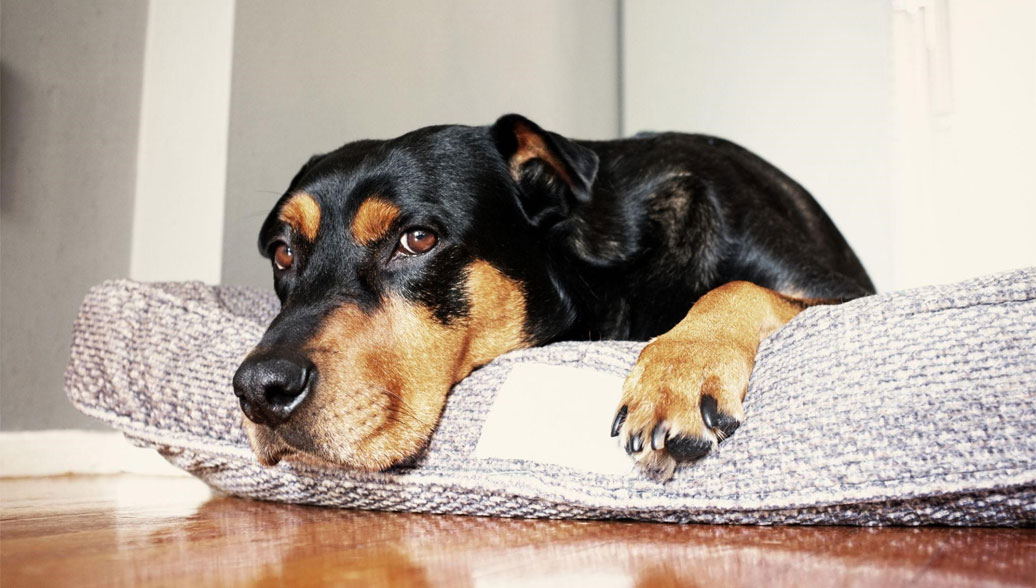
Never scold a dog for refusing to go. Remember, this command should be associated exclusively with positive emotions!
Be sure to ensure your pet complies. If your pet flatly refuses, simply pick them up and place them in their place. Give the command gently but firmly. Then pet them, but avoid excessive praise and encouragement.
Question and Answer
Read also:
- How to teach a dog the fetch command
- How to stop a dog from picking up anything on the street
- How to teach a dog the No or No command


Add a comment