
How to train a dog to recognize its name
A dog's nickname is not just a name, but essentially the most frequently used command that tells the pet to pay attention to its owner.
Typically, a dog begins to learn its name at around 3-4 months of age. However, sometimes situations arise when teaching a name to an adult dog, and then the process can be significantly more difficult. For example, if the animal has been adopted by new owners and its previous name is unknown.
Obviously, the easiest and fastest way is to teach a puppy its name. But it's also not a good idea to start too early—at this age, a puppy isn't yet able to associate itself with any word.
For a nickname, it's best to choose a short, sonorous word with a clear ending, ideally consisting of two syllables. For example, the name Mili would be suitable for a girl—simple, catchy, and easy to remember. Using human names is not recommended.
So, you've chosen a short, clear, and harmonious name for your four-legged friend. Now comes the next step—teaching your dog to respond to it. A logical question arises: where to begin training?
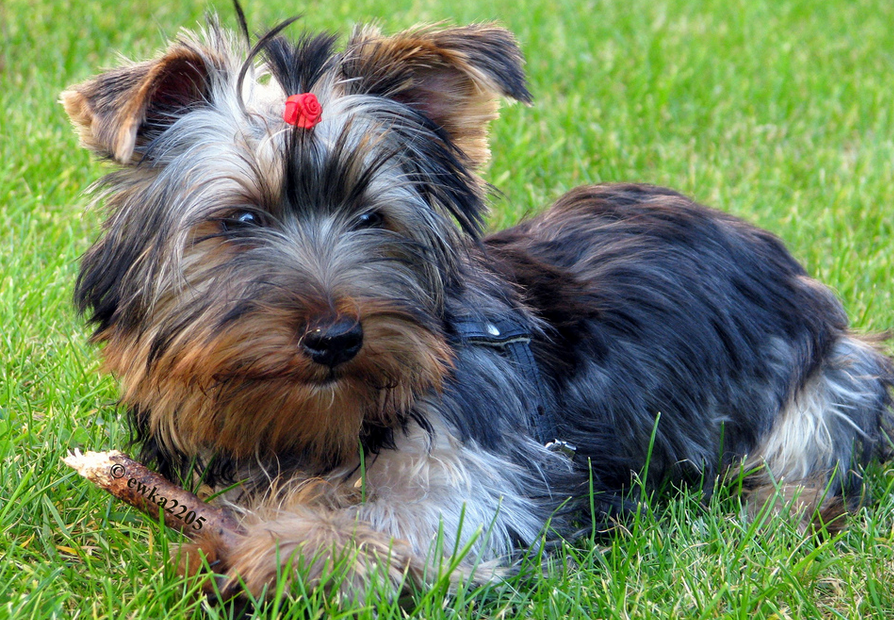
Standing a few meters away from the dog, clearly and affectionately say its name two or three times. Repeat this several times. When the dog hears its name, it develops the habit of alerting and paying attention. This is a key rule in training: upon hearing your name, the dog should pay attention to you, not rush headlong toward your voice. Initially, reward the dog with a treat, and once the command is mastered, simply say "GOOD" and pet your pet.
The first thing you need to do is to ensure that the dog's mind grasps the association between the spoken name and what happens next and requires attention.
Once you've established the initial connection and your dog begins to show interest in being called, you need to make the task more challenging. Start by stopping using treats as a way to get attention. Instead, replace the treat with a gentle petting motion. You need to make it clear to your dog that saying its name will result in positive reinforcement. This will make it easier for the dog to react and respond. Conversely, you can make the task more challenging by acting threateningly, for example, waving your arms and stomping your feet.
Don't distort, shorten, or pronounce the dog's name in a diminutive or endearing manner. Never pronounce the dog's name in a threatening tone—this can have the opposite effect to what you want. Don't turn the dog's name from an "attention" signal into a "come back" signal.
Many people say that it's impossible to train a dog to respond to its name the first time. The animal doesn't respond to the name and behaves accordingly—it looks blank. This is normal, but don't despair. This is just the beginning of training. A week or maybe even several will pass, and your four-legged friend will understand that your frequent call to it is its name and will begin to respond accordingly. A lot also depends on how smart your dog is and how persistent you are.
Content
Several ways to teach a dog to respond to its name
Train your pet while you're walking it. First, take it to a quiet place so it won't be distracted by extraneous sounds. For this method, keep your dog on a leash.
Once you've reached the chosen location, begin releasing the leash as much as possible, allowing the dog to move a certain distance away from you. Then, begin calling it back. If there's no response, tighten the leash. Repeat this as many times as necessary. It's perfectly acceptable to use a treat as a reward. In this case, the carrot method works almost flawlessly.
The next way to train a dog to respond is through play. Almost any well-fed, healthy, and contented dog loves to play. Use this small weakness to your advantage.
You'll need your pet's favorite toy. As soon as you pick it up, begin calling your dog, showing it what you have in your hands. Chances are, your dog will come running to you, if only to play with it. Don't forget to praise your pet and play with it. You can repeat this process as many times as you like.
By following these simple rules, you'll raise an obedient and disciplined family member who won't make you feel ashamed on walks. You can tell you've successfully completed the task of training your dog to his name when your pet wags his tail and perks up his ears at the sound of his name.
Rules for accustoming your pet to its name
During training, it is important to follow a few simple rules:
-
say the nickname only once per interaction;
-
do not use the name together with commands, except for "Come!" and "Heel!";
-
reward your dog only for the correct response;
-
until the nickname has been learned, do not use diminutive forms and derivatives;
-
Conduct your workouts in several short approaches.
The fastest way to get your dog used to its name is to call it regularly before feeding.
How to train a puppy to respond to its name
It is better to start training in a calm environment, when nothing will distract your pet:
-
choose a time when the house is quiet;
-
pronounce the puppy's name clearly;
-
If he turns around or comes closer, give him a treat right away.
To speed up the process, you can help the puppy a little:
-
pretend to run away and call his name - puppies willingly join in the chase and play;
-
Use a leash: let your baby walk around the room, then call him. If he comes, praise him and give him a treat; if not, gently pull the leash toward you.
How to train an adult dog to respond to its name
The same approach is used with an adult pet. It's best to begin training at home, in a familiar and calm environment. Outside, amid noise and unfamiliar stimuli, it's harder for a dog to concentrate.
Once your pet consistently responds to its name at home, you can continue training on walks. It's important to ensure a response to its name regardless of the environment.
Over time, the number of treats can be reduced, replacing them with verbal praise - the dog will focus on the owner's intonation.
Later, you can make the training more difficult by adding commands, such as “Come!” or “Heel!”
As a result, the dog should learn that its name is the signal “Attention!”, after which it must look at the owner and wait for further instructions.
What to do if your dog doesn't respond to its name
Don't rush or worry. Some dogs learn quickly, while others take longer. Much also depends on the animal's condition: if a pet hasn't yet adapted, is anxious, or is stressed, it will be difficult for them to concentrate on training.
Create a calm and comfortable environment for your dog, speak to it often in a gentle tone, and show it attention and support. Over time, it will begin to respond more confidently to its name.
Read also:
- How to teach a dog the command "Attack"?
- How to teach a dog commands: a list of commands
- Dog tricks: a list of the most interesting ones


Add a comment