
How to litter train a kitten
A small pet's first days in the home always present additional challenges for its owners. Not only do they need to buy food, find places for feeding and resting, but they also need to litter train the kitten. How can this be done with minimal stress for both the animal and its new owners?
Content
Preparatory stage
Litter training typically begins at 4-6 weeks of age. If a kitten is brought into the home at an older age, it begins on day one. Ideally, the following issues should be addressed before the kitten even arrives:
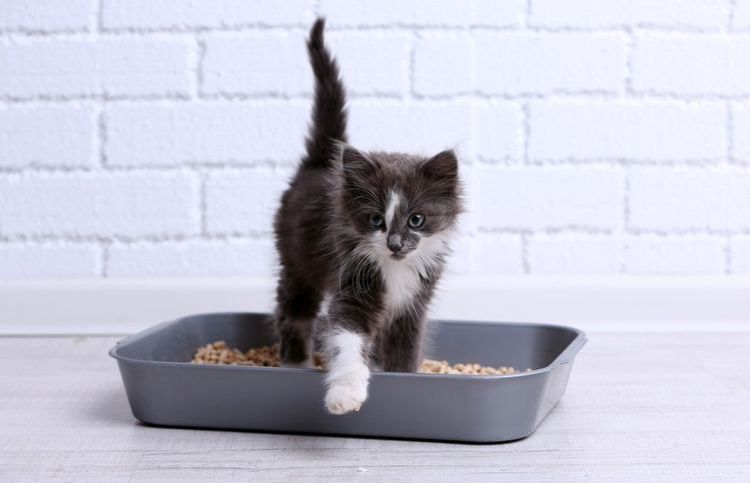
- Buy the toilet itself. The main criteria when choosing a litter box are the absence of odor and comfort for the kitten. A simple container without high sides is suitable for this purpose, so the pet can easily climb into it for toileting. At first, avoid automatic litter boxes, as they make a humming noise when cleaning and may frighten the kitten. Mesh-based options are also not ideal for initial training: firstly, because they don't satisfy the kitten's natural instinct to bury its excrement, and secondly, because of the risk of damaging its paws when attempting to do so.
- Pick up fillerFor litter training, it's best to use dust-free litter, preferably without added scents. Pressed wood shavings are the best option. Silica gel granules, although considered among the highest quality, are not entirely suitable for small animals as they make a noise when placed into the litter box, which may disturb the pet. Bentonite clay granules should not be used as they can cause gastrointestinal blockages if accidentally swallowed.
If the kitten was adopted from its mother, not from the street, you can ask for some litter from its previous home. When you bring it home, add it to the litter box. The familiar scent will help the kitten settle in more quickly.
- Select a location. Two important criteria are essential: easy access at all times and the absence of distractions and frightening factors. Avoid placing it near food bowls or in a high-traffic area. The most common options include a bathroom or a secluded corner of the hallway. However, in the former case, you'll have to train yourself to leave the door unlocked.
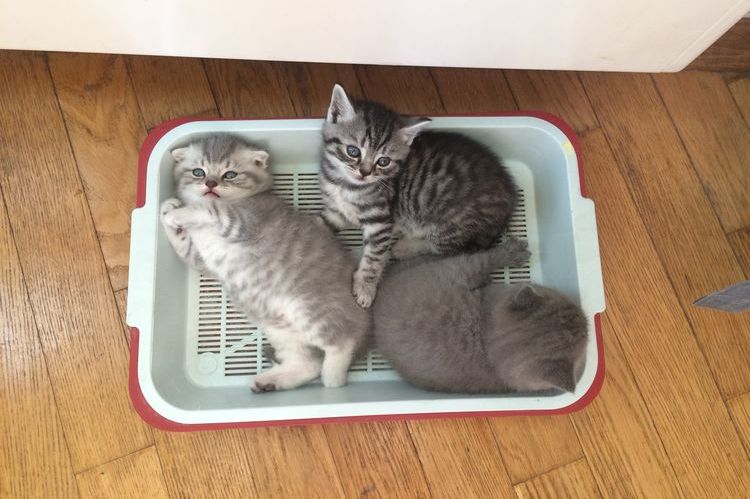
During the first days of potty training, it's recommended to confine your pet to one room, setting up separate feeding and toilet areas at opposite ends of the room. This will allow you to keep an eye on them and quickly respond if they need to relieve themselves in an inappropriate place. Once your pet has become comfortable, you can gradually move the toilet area to a more suitable location.
Selecting a tray
Pet stores offer a wide selection of litter boxes, varying in design, size, and construction. Standard plastic containers are considered the most popular and affordable. When choosing a litter box, it's best to choose one with a medium depth to prevent the kitten from scattering litter while cleaning, but still allow easy access.
Models with a mesh are also available. This option is suitable for kittens who don't like litter. However, this design has a significant drawback: the mesh and container must be washed after each bowel movement, otherwise the unpleasant odor will quickly spread throughout the room.
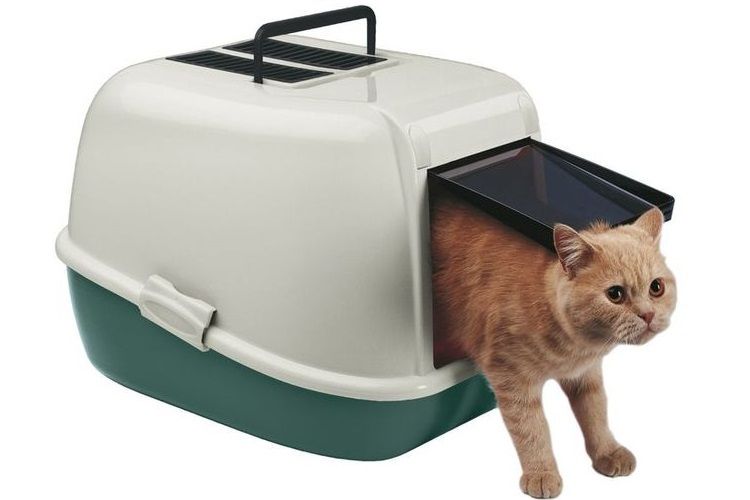
If the area of the apartment allows, then you can buy closed trayAnimals are more likely to use this type of litter box because they prefer privacy during the procedure. This design also prevents odor from spreading. However, it's also more difficult to clean.
Modern options include automatic litter boxes. Not only do they look attractive, but they also relieve pet owners of many unpleasant maintenance procedures. The main drawback is their high cost.
Selecting a filler
Some owners still use sand as a cat litter, the old-fashioned way. This has several drawbacks. Firstly, it's unsafe for both humans and animals, as sand can contain worms and other parasites. Secondly, sand doesn't absorb odors, and cats often shed it, so you have to constantly clean it up. Thirdly, where can you find enough sand, since it needs to be changed daily?!
Some owners even train their pets to "go" on torn pieces of paper or rags. We believe the smell this creates in the apartment is unnecessary to mention.
The options proposed are extremes. Today, pet stores offer a wide range of options. selection of special fillers Cat litter boxes. They're reasonably priced, so it's perfectly reasonable to forget about sand, paper, and all sorts of rags in the litter boxes.
Fillers are divided into:
- Mineral. These are granules made of clayey bentonite and polygorskite rocks. They absorb both moisture and odors well. They are often called clumping litter because they form a ball that can be easily discarded without having to replace the entire contents of the litter box.
Clumping litter is not recommended for small kittens. While playing, they may swallow the litter, which can often cause gastrointestinal upset and even blockages.
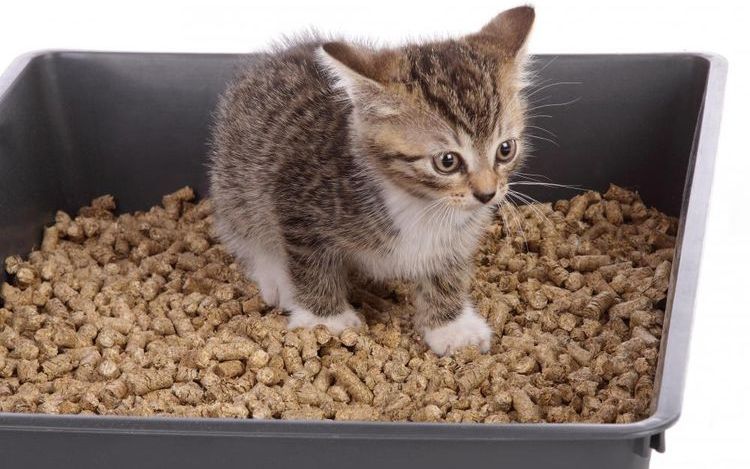
- Woody. Granulated wood shavings are often added to the litter box. They can be used for both small and adult litter. The obvious advantages include the affordable price and naturalness. The disadvantages include high consumption (as they require frequent replacement).
- Corn. Another type of eco-friendly litter, renowned for its low price, is not as common as the two above. Its drawbacks include poor odor absorption and the distinct aroma that can repel pets.
- Silica gel. The most expensive type of cat litter, it boasts excellent absorbent properties. It only needs to be changed once a month, which is always a joy for pet owners. However, some pets dislike it because of the crunching sound it makes when used.
Where to put the toilet
It's not enough to buy a litter box your pet likes; you also need to place it in the right location, otherwise training your kitten to use it won't be possible. Cats don't like to relieve themselves in front of their owners, so the litter box should be placed in a quiet corner. Avoid placing it near food bowls. A bathroom or closet is ideal for a toilet, but remember to always keep the door open.
The process of accustoming
Once all the preparatory steps are complete, you can begin training your kitten to use the litter box. The following recommendations will help you do this quickly:
- Introduce to the "toilet". Immediately after bringing your kitten home, place it in the litter box, let it sniff it, and explore it. To help the kitten understand its purpose, take its paw and rake it through the litter.
- Observe and help. Cats typically relieve themselves after eating or sleeping. 10-20 minutes after feeding or waking, take your pet to the litter box and wait for them to relieve themselves. You can also dig in the litter with their paw as a cue. Also, if you notice your cat scratching or raking the floor, perhaps squatting, meowing, or twirling, carefully transfer them to the litter box. Avoid fussing, screaming, or making sudden movements. Such behavior can frighten your cat and create unpleasant associations with going to the toilet, making them reluctant to go near it.
- Encourage. Essentially, litter training a kitten is the development of a conditioned reflex, which requires appropriate motivational reinforcement to reinforce it. For each successful trip, you can reward your pet with affectionate words and petting.
- Reinforce the skill. Even if the potty training task appears to be complete, a kitten may still occasionally leave a "surprise" in an inappropriate place. In this case, the puddle should be blotted with a napkin, transferred to the litter box, and shown to the pet. The same should be done with the "pit." To reduce the likelihood of a repeat of the mistake, the area itself should be thoroughly cleaned and disinfected.
If the accident occurs in an inappropriate location, you can temporarily place the litter box there and gradually move it back to the main location. Another option is to place food and water bowls there, as cats will avoid defecating in the same area. You can also place a few orange peels in the area or treat it with a citrus-scented product, which cats dislike.
Possible errors and problems
If, despite all the recommendations, you can't get your kitten to use the litter box, don't assume it's untrainable. Perhaps a seemingly unnoticeable mistake was made somewhere during the training process. Among the most common:
- Wrong place. The presence of noisy objects (a drain, a washing machine) or other deterrents (for example, a can of shampoo that has fallen nearby) can discourage the cat from going to the litter box for a long time.
- Incorrect filler. A pet is unlikely to want to go to the toilet if it doesn't like the smell, rustling sound, or tactile sensation. With the wide variety of litter options available, it's important to choose the right one for your pet.
- Inappropriate toilet. This could be due to the design itself (for example, sides that are too high and difficult to climb into) or an unpleasant smell (from the container itself or after washing it with bleach or other chemicals).
- Using air fresheners or other fragrances in the room. Animals do not share the pleasure that people get from scents like Sea Breeze and are more likely to feel an aversion to the whole range of chemicals included in the composition.
- Lack of timely cleaning. Cats are naturally very clean, so if dirty litter isn't removed on time, they're unlikely to want to use the litter box.
The process of litter training a kitten requires patience and gentleness. Shouting, fussing, and violence are avoided. Usually, a few days are enough for the kitten to remember exactly how and where to go to the bathroom.
Video With helpful tips from a veterinarian on litter training your kitten:
Read also:
- The best litter boxes for kittens
- Which cat litter box is best?
- Possible reasons why a cat has stopped using the litter box


Add a comment