
How to properly care for a Yorkshire Terrier
There's a common misconception that caring for a Yorkshire Terrier requires a lot of effort and significant financial investment. In this article, we'll explore whether this is actually true, and we'll also explain how to properly care for a Yorkshire Terrier and whether it's possible to provide high-quality, almost professional care at home without significant expense.
Content
Breed characteristics
The Yorkshire Terrier is a small, long-haired dog that is ideal for living in a small city apartment, but when purchasing such a puppy, it is important to know that the care and maintenance of a Yorkie has some special features.
|
Name of the breed |
|
|
Origin |
England (Yorkshire) |
|
Weight |
mini 1.5-2.3 kg standard 2.3-3.2 kg |
|
Height |
not limited in the standard on average 15-17 cm |
|
Wool |
long, silky, straight |
|
Undercoat |
absent |
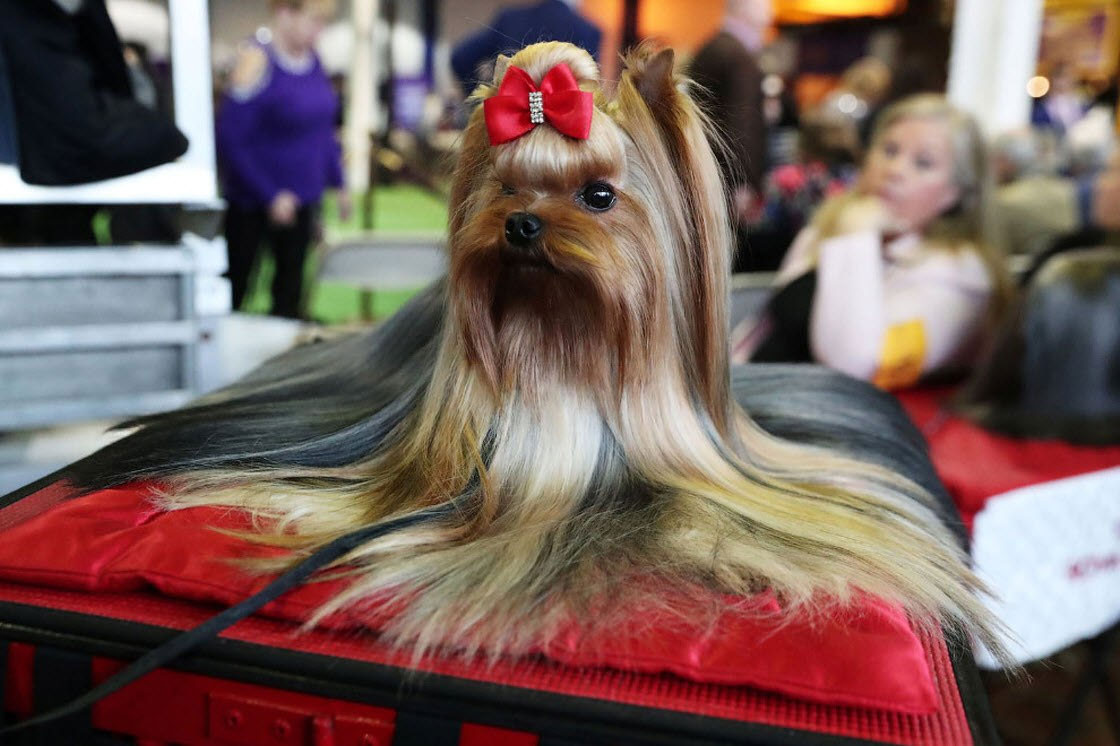
We often see gorgeous studio photos of show Yorkies online, captivating with their luxurious, long coats with a stunning bluish tint and charming topknots. However, few people dreaming of such a beauty consider the amount of work their owners put into creating this champion's perfect exterior, and the care required for a Yorkshire Terrier (whether show or not).
The difficulties that inexperienced owners encounter are most often associated with the following breed characteristics:
- long, constantly growing hair that requires regular grooming;
- sensitive digestion associated with the genetic characteristics of the breed;
- "Terrier" character, which is why babies need to be raised and trained from early childhood.
Below, we'll take a detailed look at how to care for a Yorkshire Terrier at home, and what important points to pay attention to in order to avoid potential problems.
Grooming
The structure of a correct Yorkie's coat, completely devoid of undercoat, resembles human hair.
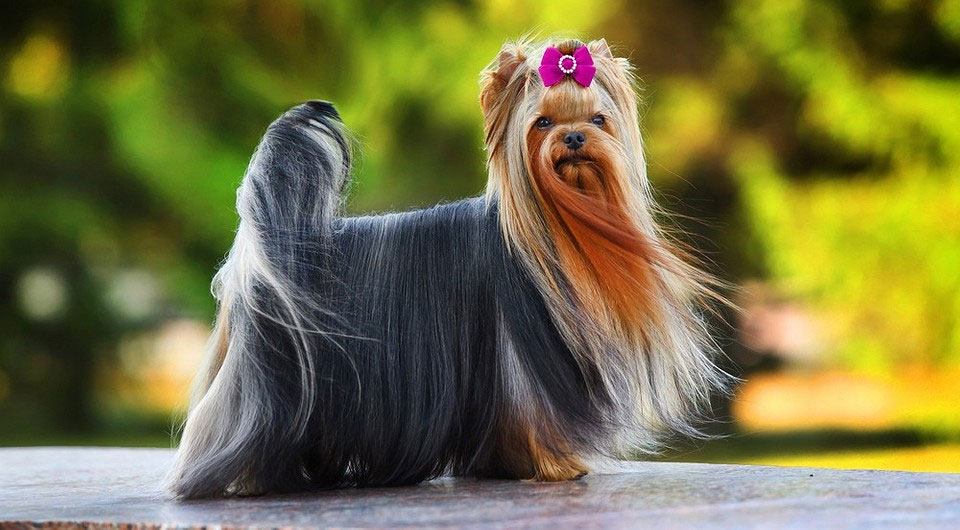
It's important to keep in mind that the typical adult dog's appearance doesn't develop until 1.5 years of age. All puppies are born with black fur, and predicting the color a pet will acquire after their teenage color change can only be done by tracing the color genetics of previous generations (though even here, surprises can occur).
During a dog's life, the quality of its coat may change:
- Puppies' fur often becomes fluffy and quickly tangles;
- There are dogs that have been genetically given the wrong coat, which even with the most expensive care will not be heavy, smooth and shiny;
- The quality of the wool largely depends on the nutrition and health of the animal;
- The coat of the girls involved in breeding may not look perfect;
- Thinner and more problematic "puppy" coat may also appear after castration or complete sterilization of a dog due to changes in hormonal levels.
It is also worth considering that the coat structure of "biewer" and "biro" Yorkies differs from the heavy silk characteristic of the classic line of the breed.
Puppy grooming
Although puppies are not clipped until their coat has completely changed, caring for a Yorkshire Terrier up to a year also requires proper grooming, aimed at:
- accustoming the dog to grooming procedures;
- hygienic haircut - removal of long hair "under the tail", in the belly area (if it is a boy), and also on the tips of the ears (to facilitate and speed up the strengthening of the cartilage);
- claw trimming (keeping the animal in an apartment does not allow the animal to wear down its fast-growing claws).
Important! To ensure your dog tolerates grooming sessions at the salon, your Yorkie needs regular grooming at home, accustoming him to brushing and other procedures from the first months of life.
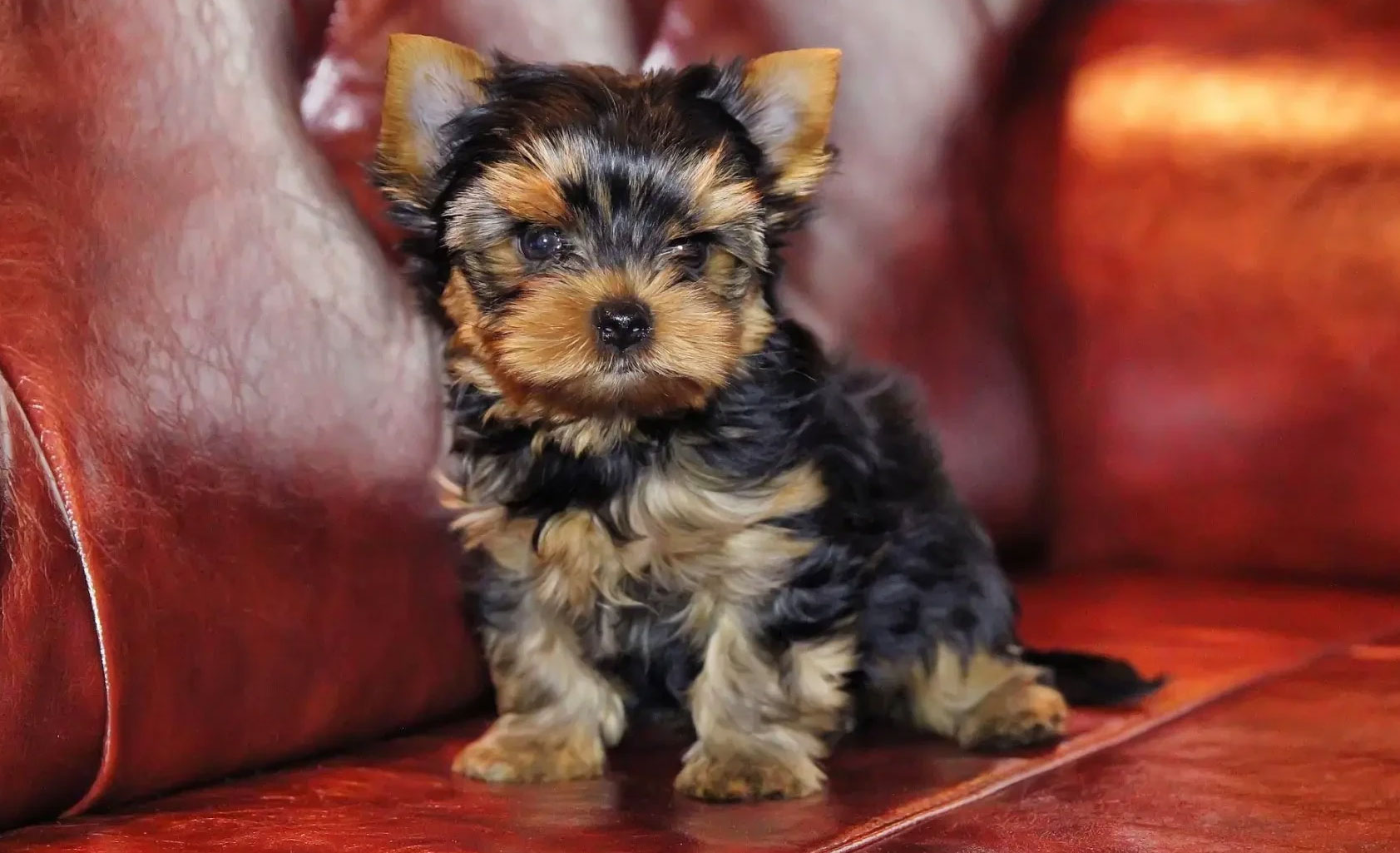
Remember that the first brushing experience should be a positive one for your pet. Use a soft massage brush, avoid causing discomfort, but also avoid allowing your pet to struggle or run away. Initial grooming sessions should be short and frequent, and should end at the owner's discretion, not the dog's. If your pet learns that they can avoid the unfamiliar procedure by squirming or biting, this behavior will become ingrained and become a problem later on.
Important! Yorkies should not be brushed with slicker brushes, trimmers, or fumigators.
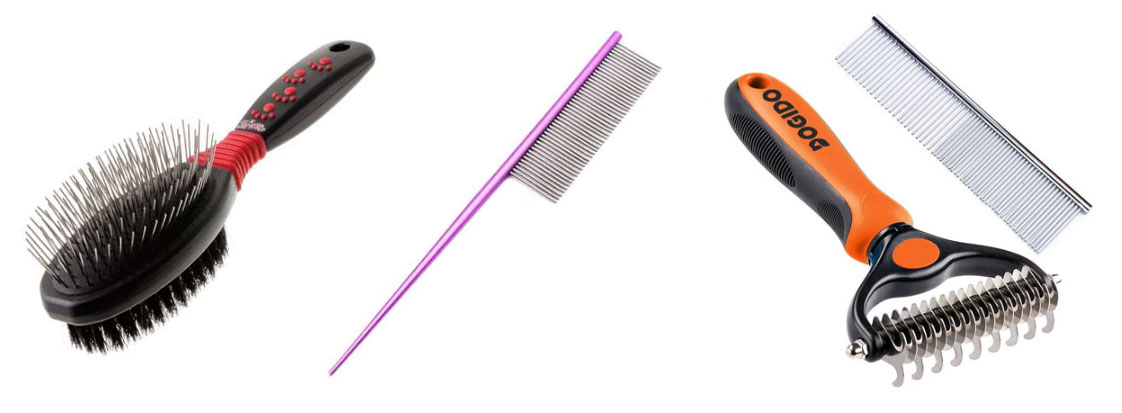
Your home care arsenal should include:
- massage brush;
- a flat metal comb with fine teeth (ideally the teeth should rotate);
- a comb with a knitting needle (for creating an even parting);
- mat cutter (may be necessary if you do not comb your cheeks at least once a day).
Brushing should be done not when the coat is dry, but rather moistened with special sprays to facilitate brushing. Very wet coat is also easily broken by mechanical action, so after bathing, additional treatment with conditioners and special oils is necessary before drying with a comb.
Bathing
Yorkies often need to be bathed more often than other dogs:
- Show representatives of the breed have to be washed frequently (every week, and sometimes even 2-3 times a week);
- Dogs that do not participate in shows can be bathed less frequently - once every 2-3 weeks or as they get dirty.
Dogs should be bathed with a special shampoo, which has a pH of 6.5-7.5. Shampoos designed for human skin have a pH of 5.5, which can disrupt the skin's pH balance, causing dryness, dandruff, dermatitis, odor, and other undesirable effects.
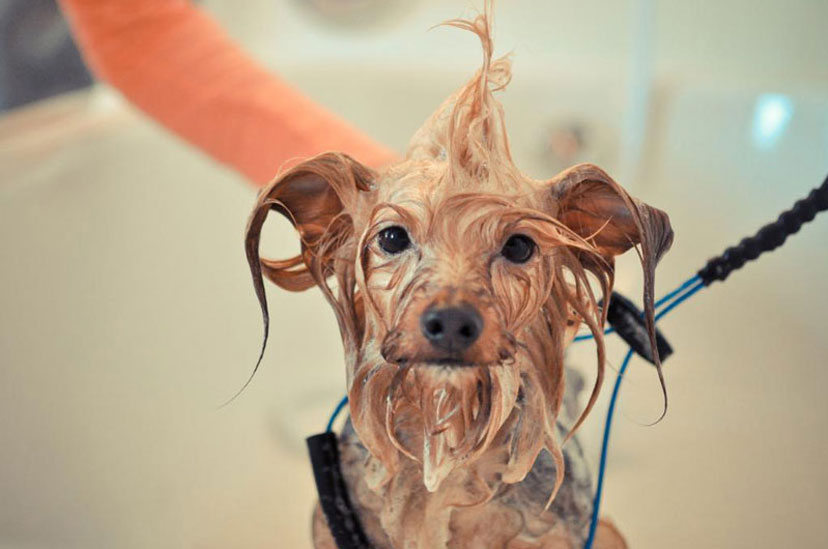
You can buy a high-quality (and not the cheapest) shampoo for long-haired dogs (or specifically for Yorkies) at any pet store. Please note that there are two types of shampoos:
- ready to use (this product can be applied directly to damp wool);
- concentrates (before use, such shampoo must be diluted with water in the proportion indicated by the manufacturer).
Grooming and maintaining Yorkshire Terriers for show dogs is much more complex, as simply washing and blow-drying their coats is not enough. To achieve maximum shine, additional grooming products—balms, mousses, and oils—are needed to nourish each hair, reliably protect the coat from the damaging effects of blow-drying and summer sun, and enhance the natural shine and color.
Among professional lines, owners of show Yorkies prefer the following products:
- Chris Christensen;
- Iv San Bernard;
- Royal Groom;
- Laser Lites;
- YORKME;
- Le Artis;
- Plush Puppy.
Each dog is unique, so it's important to not only rely on reviews, but also choose the products that are best suited for your pet.
Papillotes
For many owners just learning how to care for a Yorkshire Terrier, it comes as a revelation that show dogs, with their long, luxurious coats, spend most of their lives in special "soft curlers."
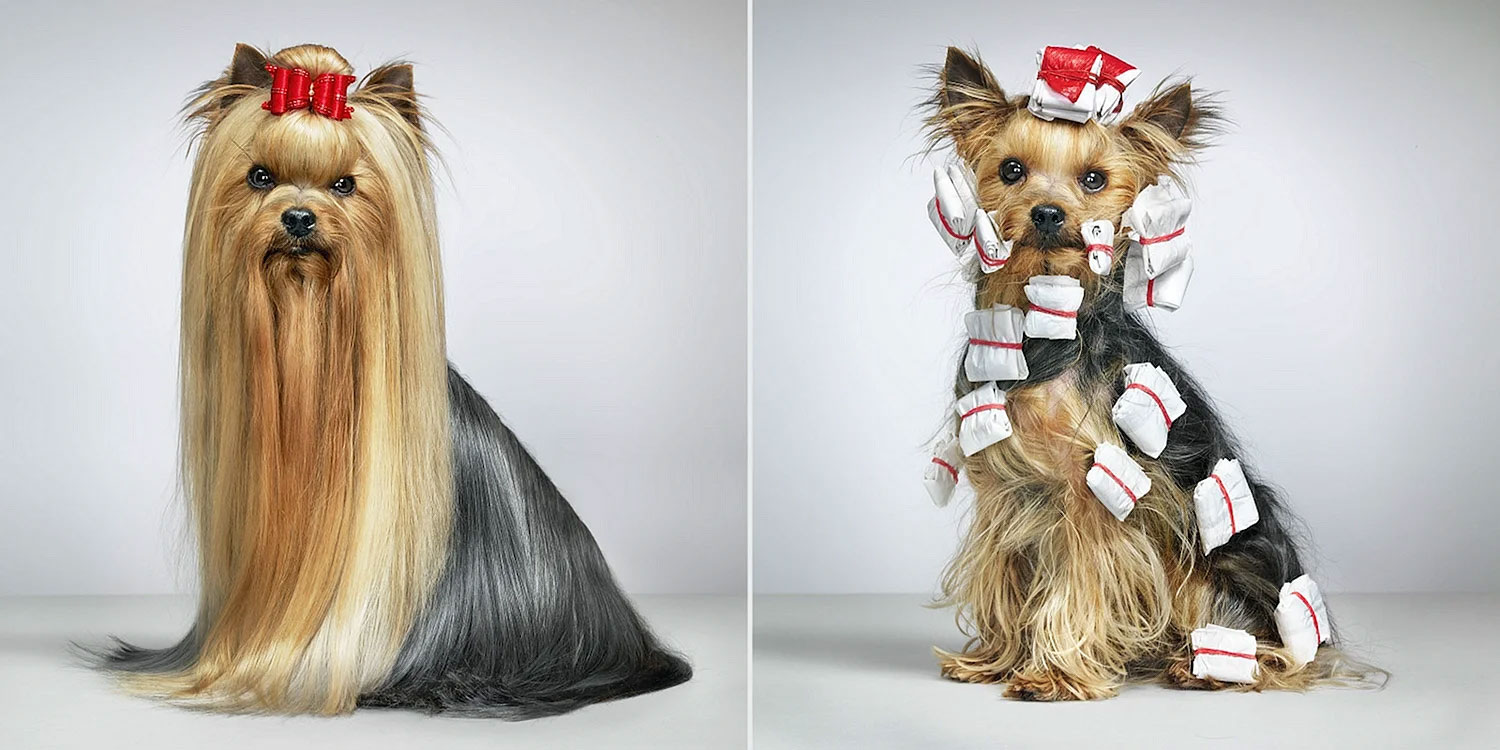
Curlers prevent long strands of hair from tangling and matting, as well as preventing the coat from getting dirty too quickly. A lightweight silk jumpsuit is usually placed over the curlers to prevent the dog from getting the curlers caught on furniture or combing them out.
Important! It's important to accustom your puppy to wearing papillotes, as with all other procedures, from an early age.
Around 2 months, puppies begin to have their first ponytail, even if their fur isn't very long, but long enough to be gathered under a hair tie. Puppies begin to have their first hair curler as early as 3 months. As their fur grows, around 4 months, they begin to gather the fur behind their ears and on their cheeks. Without curlers, it's virtually impossible to grow a long, luxurious "whisker," as the dog will lick and chew on it.
Naturally, the rate of hair growth varies from dog to dog, and for some dogs, the curling process may begin later, at 4-5 months. However, by 9-10 months, the coat is usually long enough to be oiled and curled around the body.
To carry out the procedure at home you will need:
- special paper;
- silicone rubber bands;
- a comb with a spoke for separating strands;
- wool milking oil;
- Silk jumpsuit for a dog.
For more information on grooming a show Yorkie and curling hair curlers, watch this video:
Top knot
The classic top-knot with a bow is traditionally worn not only by females, but is also a must-have decoration for male Yorkies in show ring.
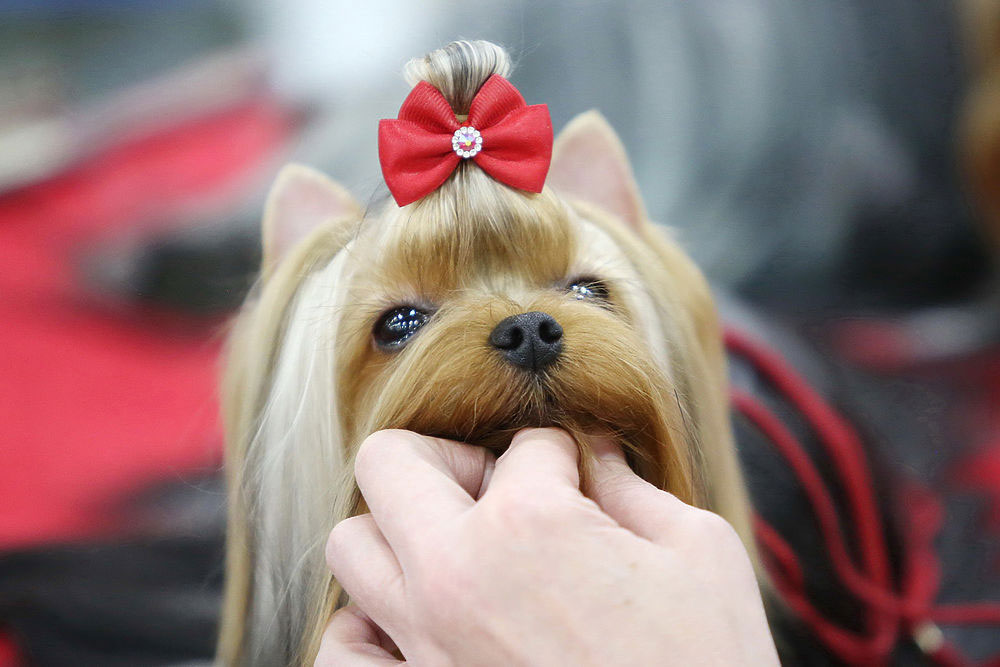
For more information on how to create the right top knot for a Yorkie or Biewer show, watch this video:
You can also try other beautiful everyday hairstyles for your Yorkie, the creation of which is described in detail in this video:
Haircut
Important! Show dogs are not groomed short; instead, they receive a "hygienic grooming," trimming the coat by 1-1.5 cm for aesthetic purposes or if split ends appear.
A short haircut is the choice of Yorkshire Terrier owners who definitely won't be showing, as it can take 1.5 to 2 years for the beautiful long coat to grow back after a short haircut. However, a stylish haircut adds a unique touch of style to the dog and significantly simplifies daily grooming at home.
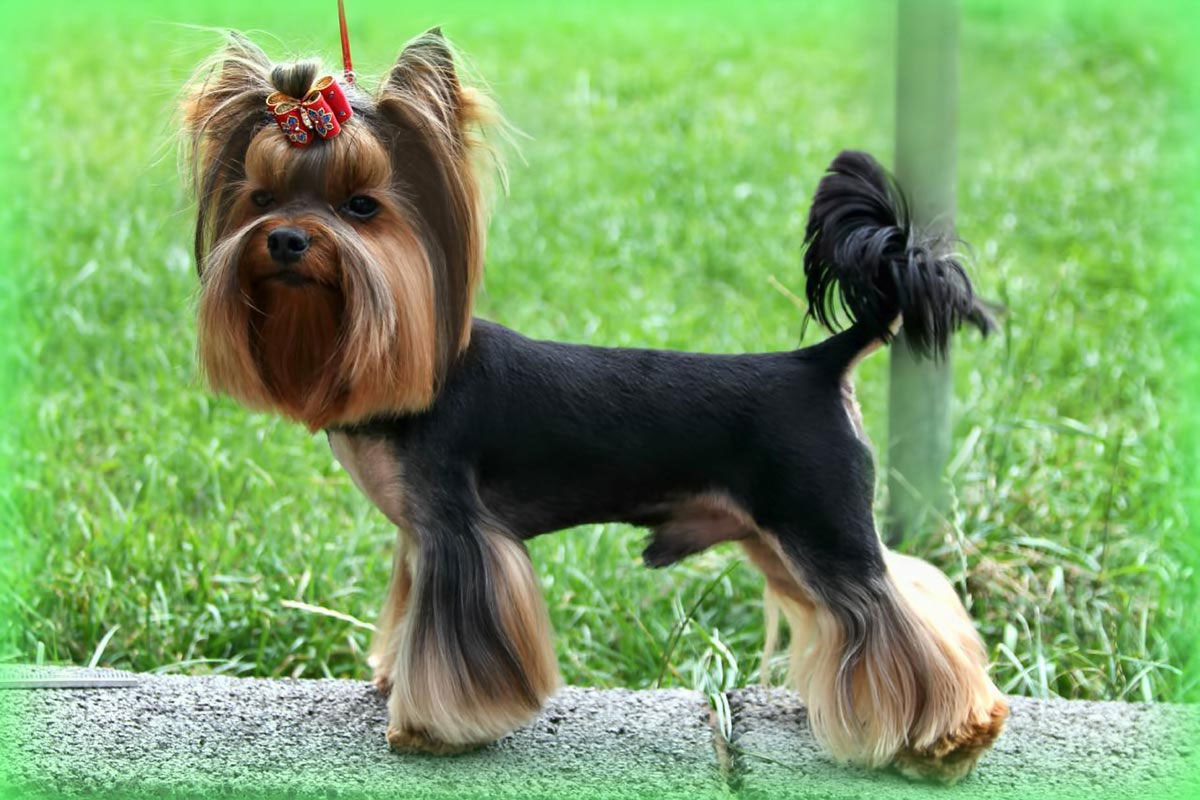
You can groom your dog only in the summer or regularly (every 1-3 months), depending on your preference. Keep in mind that the more frequently your pet visits the groomer, the more familiar the procedure will be and the less stress it will experience. Like traditional training, grooming behavior is developed through regular repetition and reinforcement of specific experiences.
It is not necessary to visit a salon every 2-4 weeks; it is enough to take care of your pet at home, regularly brushing your pet and performing basic hygiene procedures.
Ear care
Otitis is one of the most common diseases diagnosed in small dogs, and Yorkies are also particularly prone to ear inflammation due to their long hair, which can become matted in the ear canal, preventing normal ventilation and the development of infections.
That's why, in addition to basic ear hygiene, dogs of this breed require ear hair removal. This procedure is included in the groomer's basic service package and is usually performed as needed.
Important! Don't trim ear hairs; they must be plucked using powder (don't pour the powder into the ear, just apply it to your fingers for better grip).
Dental care
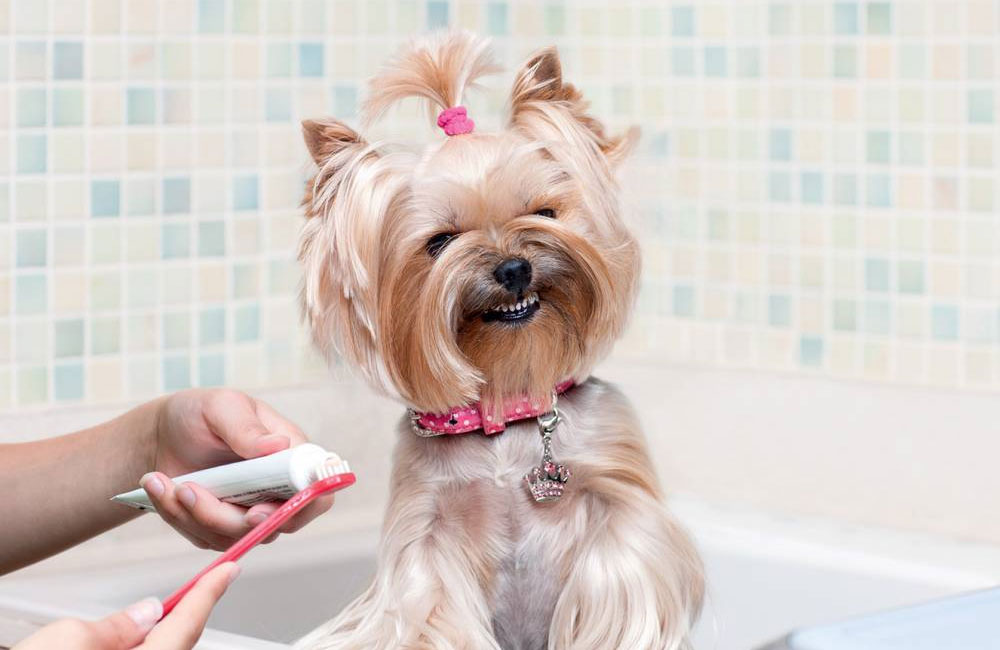
Yorkshire Terriers, like most small and toy breeds, are prone to dental and gum disease. Regular teeth brushing, which can be introduced as early as 1-2 months of age (as soon as your puppy arrives), can reduce the risk of tartar buildup and early tooth loss.
Initially, teeth cleaning is done without special toothpastes, simply removing plaque and acclimating the dog to the procedure itself. Adult dogs should be brushed with a special toothpaste at least once a week.
The following situations are a reason to consult a veterinarian:
- preservation of milk teeth after 11 months;
- the appearance of an unpleasant odor from the dog's mouth;
- formation of plaque and tartar;
- bleeding or inflammation of the gums.
For adult dogs with significant deposits on the enamel, ultrasonic teeth cleaning is performed in a veterinary clinic.
Claw care
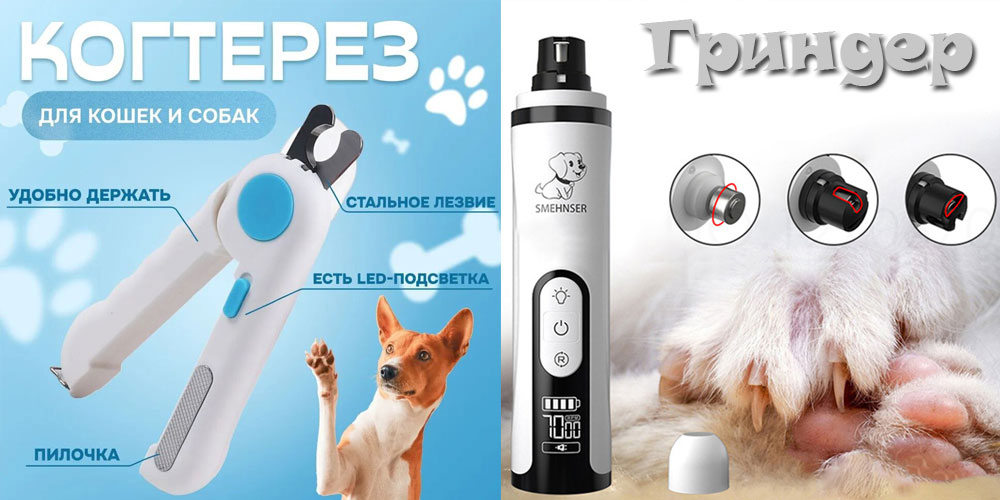
Excessively long claws can disrupt the correct positioning of the paw when walking, leading to pain and pathological changes in the joints, so it is necessary to shorten rapidly growing claws regularly at home or when visiting a groomer.
There are two ways to shorten claws:
- haircut with a special tool claw cutter;
- filing with a grinder.
Is it expensive to keep a Yorkie?
As you can see, grooming a Yorkshire Terrier requires a wide range of regular procedures. The average price for grooming in Moscow is 2,000–3,000 rubles, but show ring training for a dog can cost several times more.
Most breeders who have more than one dog learn grooming skills themselves by acquiring:
- special cosmetics for hair care;
- hair clippers (classic or human type);
- a set of combs and scissors;
- Conterez or grinder.
How much do you spend on your pet? Do you entrust your dog to a salon professional, or do you do all the grooming yourself? We encourage you to share information with new pet owners by leaving helpful tips and recommendations in the comments.
Read also:
- Walking the dog correctly
- How to get rid of the smell of dog urine in an apartment
- Dog grooming bracket


Add a comment