
How to increase a cat's appetite
Before deciding how to improve your cat's appetite, it's important to first understand the cause of its lack of appetite. This could be due to natural causes or illness. Even if your cat appears healthy, if it refuses to eat for a long time, be sure to take it to the veterinarian.
Content
Disease
If your cat has lost its appetite, it may be due to an underlying medical condition. Problems with food consumption can arise with the following conditions:
- diabetes mellitus;
- pancreatitis;
- infectious diseases;
- helminthic infestations;
- leukemia;
- problems with teeth or oral cavity (stomatitis, gingivitis, etc.);
- renal failure;
- food poisoning;
- intestinal diseases.
If your pet is sick, they will usually also exhibit other symptoms:
- vomit;
- nausea;
- lethargy and low activity;
- change in the color of the mucous membranes;
- rapid breathing, etc.
If your cat has no appetite, is lethargic, or you notice any changes in behavior, seek veterinary attention immediately. They will order an examination, and once a diagnosis is established, they will prescribe treatment and select the right diet. Don't self-medicate, as lack of appetite alone cannot indicate a medical condition. A timely visit to the vet can be lifesaving for your pet. If you haven't noticed any significant changes, but your cat is categorically refusing to eat and has lost significant weight as a result, don't delay a visit to the veterinarian.
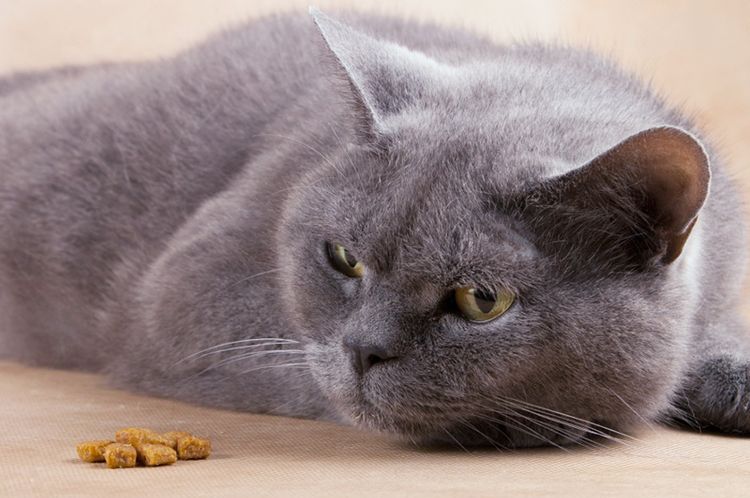
Important! In some cases, food refusal is caused by prolonged medication use, as the animal develops toxicity. In this case, it is necessary to remove the toxins from the body and adjust the primary treatment.
Intestinal obstruction
The most common cause of this condition is the penetration of foreign objects into the gastrointestinal tract. These can include small toys, threads, pins, tinsel, and other objects that the cat plays with. Intestinal obstruction Hair loss can also cause this condition. This condition is life-threatening for pets. Complete intestinal obstruction may require surgery. Other symptoms usually indicate the problem:
- bloating;
- lethargy and inactivity;
- lack of stool;
- pain in the abdominal area;
- increasing vomiting.
Some owners give their pet Vaseline to help the stuck object dislodge itself, but this is strictly prohibited. Movement can cause intestinal trauma. A medical examination and consultation are essential.
Natural causes
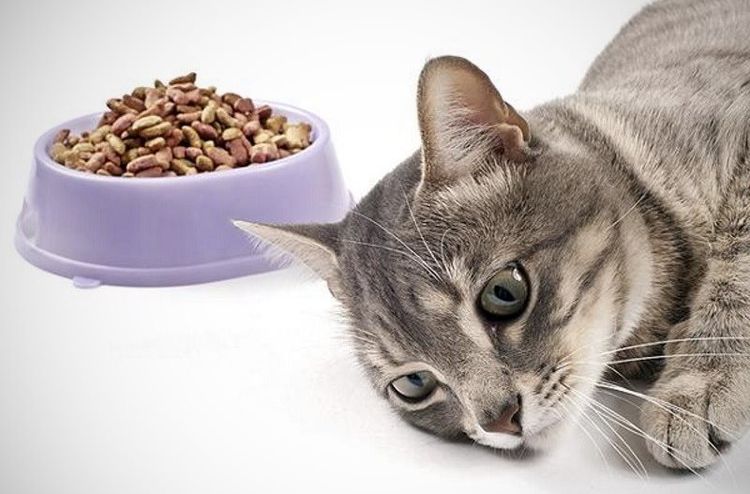
Sometimes even healthy pets refuse to eat. Poor appetite in cats can be caused by:
- Stress. When moving, visiting a show, having guests, or other stressful situations, your pet may refuse to eat. Attentive handling, affectionate interaction, and feeding usually help resolve the problem. treats.
- Dirty dishes. Cats are very clean creatures, so they may refuse food if their bowls are poorly washed or if they smell sour. Using a strong-smelling detergent can also be a turnoff.
- Heat. In the summer heat, pets limit their food intake. While it's not a good idea to insist otherwise, ensuring constant access to clean water is crucial.
- Labor is approaching. A couple of weeks before the birth, females reduce their food intake. Starvation should be avoided. Special food with vitamin complexes should be selected.
- Hormonal changes. At puberty, animals refuse food. This applies to both males and females. This fasting usually doesn't harm the pet.
- Changing food. If you're switching from dry food to natural food or switching from one brand to another, your pet may exhibit a temperamental behavior and refuse to eat. To prevent this, introduce the new food gradually.
- Changing the feeding location. Pets get used to one location, so moving the bowl often provokes protest. If your cat's appetite has decreased due to a change in feeding location and you're unsure what to do, try returning the bowl to its original location.
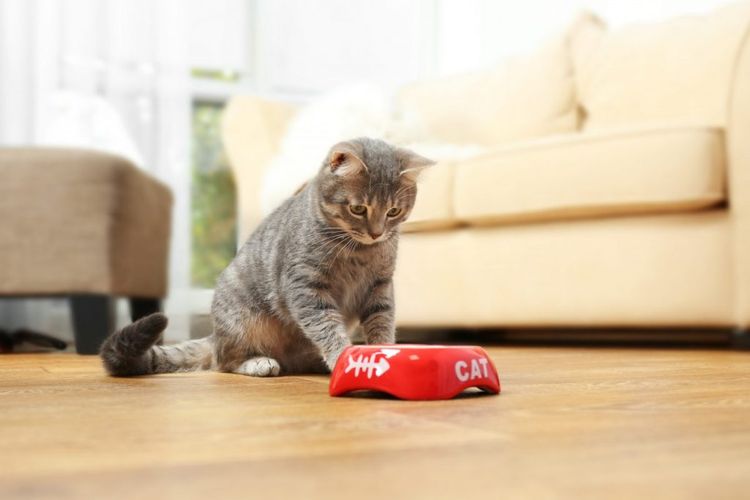
Older pets have a reduced need for food due to their reduced activity. A decreased appetite in this case is normal and therefore does not require human intervention.
What measures can be taken?
A poor appetite, even in a healthy cat, is a cause for concern. Refusing to eat deprives the animal of essential vitamins and minerals. This can impact the functioning of individual organs and systems.
Some cats can go without food for 1 to 5 days. They organize their own fasting days. If your pet remains happy and active during this period, which happens every few months, there's no need to worry. However, kittens and pregnant and nursing females need to be provided with a complete diet.
If you don't know what to do if your cat has a poor appetite, consider the following tips:
- Try changing the diet. Animals can become bored with the same food if you use it for a long period of time.
- Use cat grassYou can buy it in the store or grow it yourself at home. The herb stimulates intestinal function and thereby increases appetite.
- Give your pet vitamins. Special vitamin supplements are available at pharmacies and pet stores, but consult your veterinarian before purchasing. Fish oil can be a good alternative. It can be given to both adult pets and kittens.
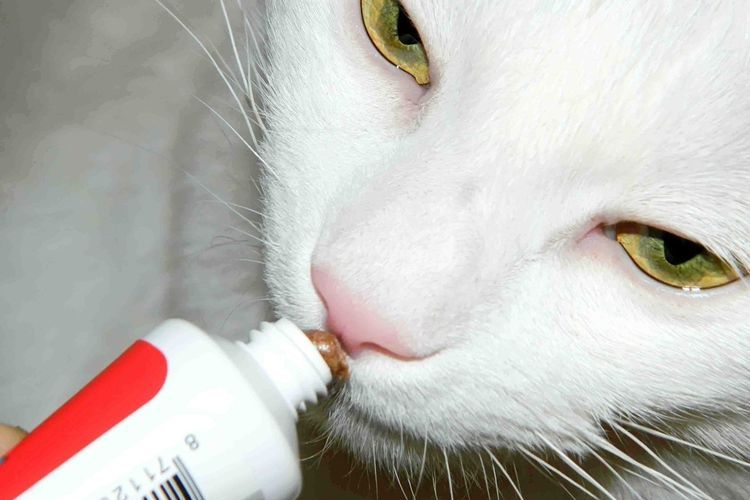
Tip! During shedding season, be sure to give your cat a special paste that helps remove hair. This will help prevent hair buildup in the intestines.
Stimulates digestion
When your digestive system is functioning properly, you often experience an increased appetite. You can improve your digestion with simple and accessible methods:
- Include low-fat dairy products in your diet in small quantities;
- use catnip, seaweed, brewer's yeast and other food additives;
- Give the animal a raw yolk on an empty stomach.
If eating problems are caused by digestive issues, you can replace your cat's regular food with a medicated diet. In this case, consult a doctor. Feeding the medicated diet should be done for a short period of time.
For anorexia (severe weight loss), medications are prescribed. These should be prescribed only by a veterinarian, as all medications have contraindications and side effects.
Read also:
- Kitten pooping blood: causes and what to do
- Can adult cats eat kitten food?
- Cat food for weight gain


Add a comment