
How to tell if your dog is sick
Every owner should know how to recognize when their dog is sick and what important changes in their behavior and condition should be paid special attention to in order to seek timely help. In this article, we'll explain the symptoms of the most common illnesses, how to recognize when your dog is ill, what help can be provided at home, and when it's necessary to urgently take your pet to the vet.
Content
- 1 General signs of poor health
- 1.1 Change in activity level
- 1.2 Change in appetite
- 1.3 Increased body temperature
- 1.4 Changes in the moisture level and color of the mucous membranes
- 1.5 Changing habitual behavior
- 1.6 Changes in bowel and urination frequency
- 1.7 Discharge from the eyes and nose
- 1.8 Changes in coat condition
- 1.9 Skin manifestations
- 1.10 Sudden weight change
- 2 Symptoms of the most common diseases
- 3 Puppy vaccination schedule
- 4 Veterinarian's advice
General signs of poor health
Health is the most important aspect of an animal's life. Experienced breeders know how to tell if a dog is sick, as in most cases, simply observing their pet's behavior is enough.
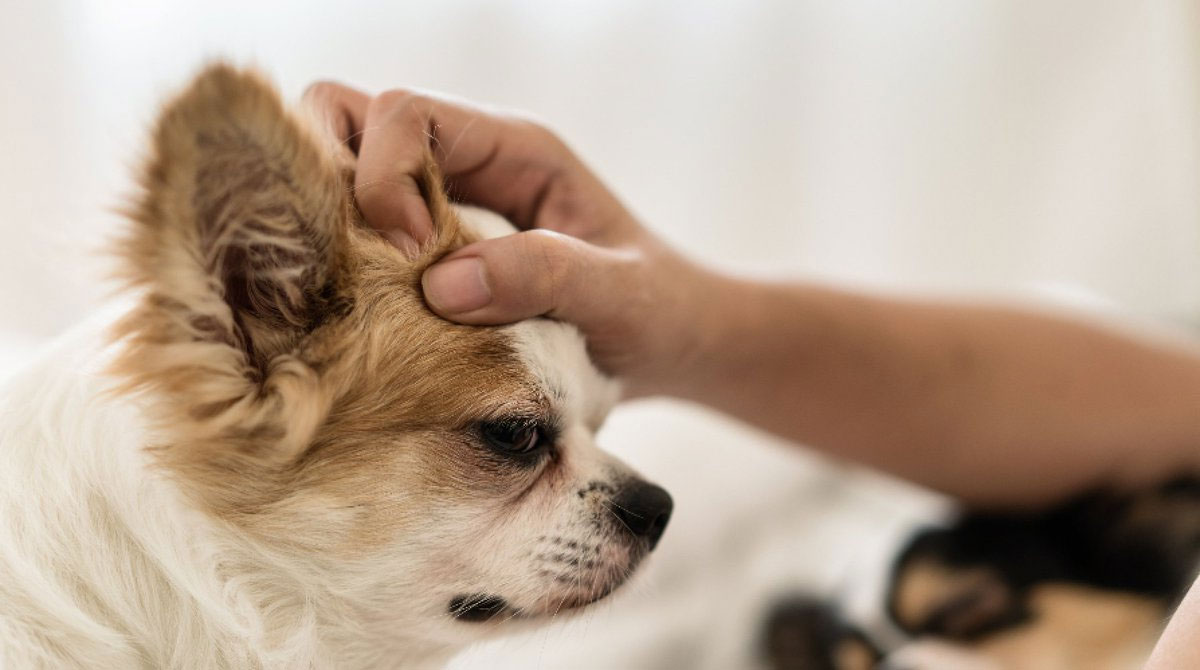
The following symptoms may indicate that your dog is not feeling well:
Important! We've only listed the main factors that can help you recognize if your dog is sick, but a veterinarian should make a diagnosis and prescribe treatment. Therefore, the first thing you should do if you suspect a problem is to schedule an appointment with a veterinarian for an examination and diagnosis.
Symptoms of the most common diseases
Now you know how to tell if your pet is sick based on their behavior and condition. Now let's talk about the symptoms that can indicate a puppy or adult animal is suffering from canine distemper, parvovirus enteritis, and other dangerous illnesses.
Distemper (canine plague)
This multisystem disease is particularly severe in puppies during their first year of life. It is caused by an RNA-containing morbillivirus, which enters the body through contact with a carrier, by sniffing the feces of an infected animal, and through household contact (via personal care items).

How can I tell if my puppy has distemper?
Among the main symptoms of the disease:
- depressed state;
- loss of appetite;
- vomiting, diarrhea;
- temperature 40-41°C;
- rhinitis and conjunctivitis;
- cough;
- Blistering rash on the pads of the paws.
If assistance is not provided in the first days of the disease's development, the virus attacks the cells of the gastrointestinal mucosa and the nerve cells of the brain, which is why in 80-90% of cases the animal, which does not have immunity, dies.
Parvovirus enteritis
The disease is considered one of the most dangerous, as it progresses rapidly and has a mortality rate of approximately 90% within the first few days after the onset of characteristic symptoms.
The causative agent of the disease is the Caninae Parvovirus, which enters the body through contact with a sick animal or sniffing feces infected with the virus.
Symptoms of the disease may vary depending on the form:
- cardiac (the heart muscle is affected);
- intestinal (the mucous membranes of the gastrointestinal tract are affected);
- mixed (combines ode types).

At cardiac form The animal's condition deteriorates sharply, shortness of breath and cardiac dysfunction appear, which leads to death within 1-2 days of the illness.
Intestinal form Symptoms include a complete refusal to eat, severe vomiting, and bloody diarrhea, often leading to dehydration. Days 3-5 are critical for the dog. If treatment is started promptly and no organ or system damage develops by day 5, the prognosis is favorable.
Viral hepatitis
The causative agent of the disease is a special type of adenovirus that enters the dog’s body through the alimentary tract.
The disease is most dangerous for unvaccinated puppies between 1 and 6 months of age, but the disease can also develop in an adult animal due to a weakened immune system.
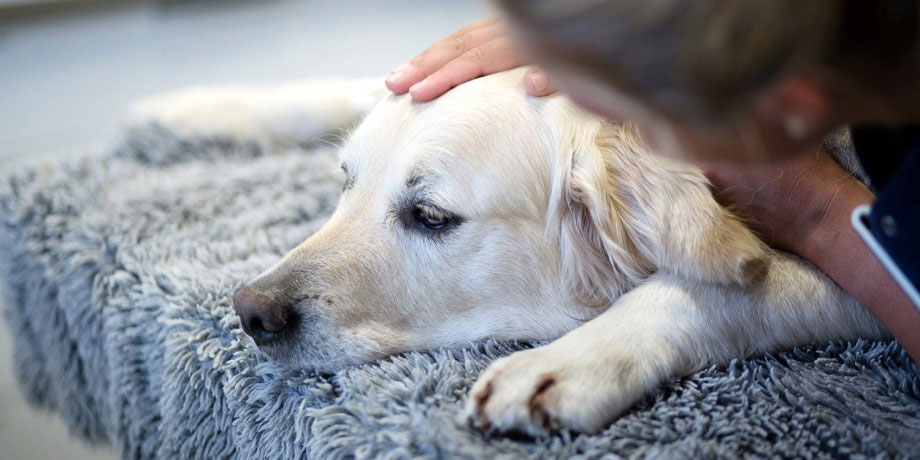
First symptoms:
- increase in temperature to 41°C;
- refusal to eat;
- vomiting with bile;
- bloody diarrhea;
- dark colored urine;
- yellowness of the mucous membranes and sclera;
- keratitis;
- the liver becomes inflamed and enlarged, so the animal may feel pain when palpated;
- leukopenia (diagnosed by blood test);
- rapid breathing (wheezing may occur in the lungs).
If the animal does not receive proper treatment in the first few days, liver necrosis may develop, which in most cases leads to death.
Tick-borne borreliosis (Lyme disease)
The disease develops after a tick bite, since it is ixodid ticks that carry the causative agent of borreliosis – the spirochete Borrelia.
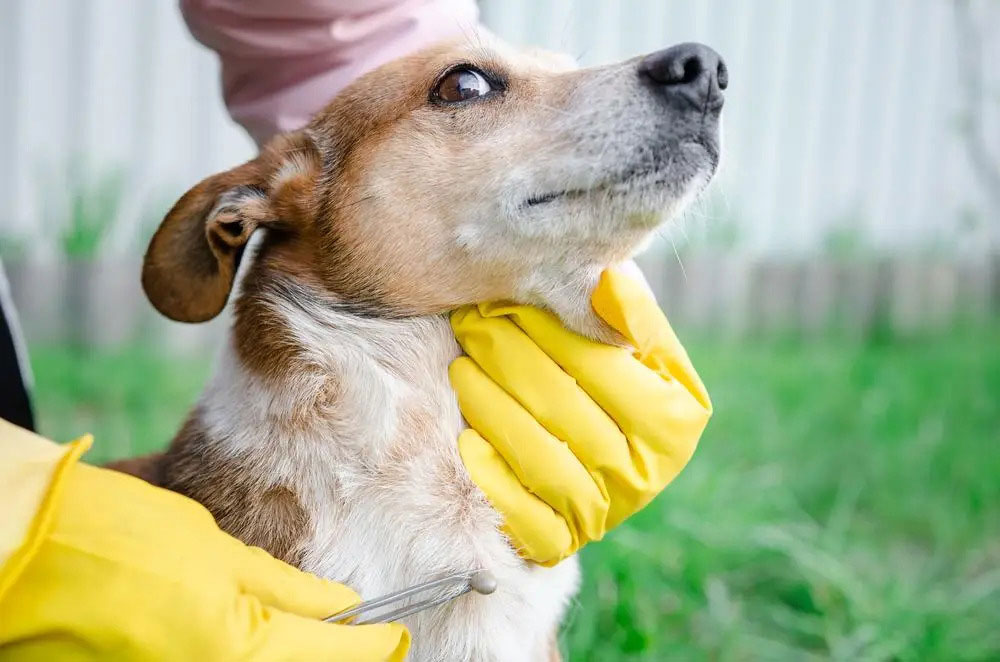
Symptoms can vary in severity and include:
- lethargy;
- decreased appetite and weight loss;
- fever;
- periodically appearing chromatism (due to joint inflammation);
- enlarged lymph nodes;
- difficulty breathing;
- thirst and frequent urination.
Without proper treatment, the disease can lead to glomerulonephritis and severe kidney damage, as well as affect the cardiovascular and nervous systems.
Rabies
The disease is caused by a specific type of rhabdovirus, which most often enters a dog's body through a bite. However, rabies can also be contracted through contact with the blood or saliva of an infected animal.
Important! The disease can be transmitted to any mammal, including humans!
A characteristic feature of the disease is that the incubation period can last from 3 days to several years, and it is difficult to predict how quickly the first symptoms may appear after contact with an infected animal.
Most often, when describing rabies, they mean the furious form of the disease, which is characterized by:
- disturbances in the animal’s behavior (it may hide from people or, on the contrary, become too intrusive);
- muscle spasms (difficulty swallowing);
- manifestation of aggression;
- profuse salivation with foam formation;
- paralysis.

But few people know that there are forms in which it is very difficult to determine that a pet has rabies, although the disease is no less dangerous for others.
Thus, in the silent (paralytic) form, the dog becomes very affectionate and constantly seeks contact with its owner, and does not show aggression even in the late stages of the disease. Rabies can be suspected based on neurological symptoms such as:
- unsteadiness of gait;
- difficulty swallowing;
- paralysis of the limbs;
- increased salivation.
Diagnosing atypical rabies is extremely difficult, as the animal exhibits no neurological symptoms. Owners are concerned only about gastrointestinal problems, such as vomiting and diarrhea, which are typical of a wide range of diseases or poisoning.

What should you do if you suspect your dog has rabies?
- Protect people living in the house by preventing them from having any contact with the sick animal.
- Contact a veterinarian as soon as possible. An experienced vet will know how to diagnose your pet without exposing you or themselves to infection.
Important! Do not attempt to pick up the animal or transport it to the clinic by car or public transportation!
If an animal is bitten by an unfamiliar dog or wild mammal, a course of anti-rabies vaccine and a mandatory 10-day quarantine are prescribed, after which the absence of rabies is confirmed by appropriate tests.
All people and pets who have had contact with an infected animal (regardless of whether they were bitten) are recommended to receive a preventive vaccine.
Puppy vaccination schedule
To protect your pet from this dangerous disease, it is necessary to administer comprehensive vaccinations in a timely manner according to the schedule.
Important! 10-15 days before the expected vaccination date, give your pet a deworming medication.
|
Age |
Vaccination |
|
5 weeks |
distemper, parvovirus enteritis |
|
7-10 weeks |
distemper, adenovirus, parainfluenza, parvovirus enteritis, viral hepatitis |
|
12-13 weeks |
revaccination |
|
6 months |
rabies |
|
12 months |
rabies, leptospirosis |
Further revaccination is carried out once a year!
Veterinarian's advice
https://www.youtube.com/watch?v=9S320x4t3L4
Read also:
- Puppy certification: what it is and how to do it
- How to give a dog an intramuscular injection into the thigh
- Oncology in dogs: symptoms and treatment


Add a comment