
How to tell if your dog has poor vision or is going blind
Animals, like people, can have a variety of vision problems (congenital or acquired). Therefore, it's important for anyone considering adopting a pet to know how to tell if a dog is experiencing poor vision or is going blind, and what early symptoms may indicate eye problems in a puppy or adult animal.
Content
The dog's visual apparatus
The structure of the eyes of canines has many similarities with the structure of the human eye, but it also has a number of significant differences, due to which dogs see the world somewhat differently.
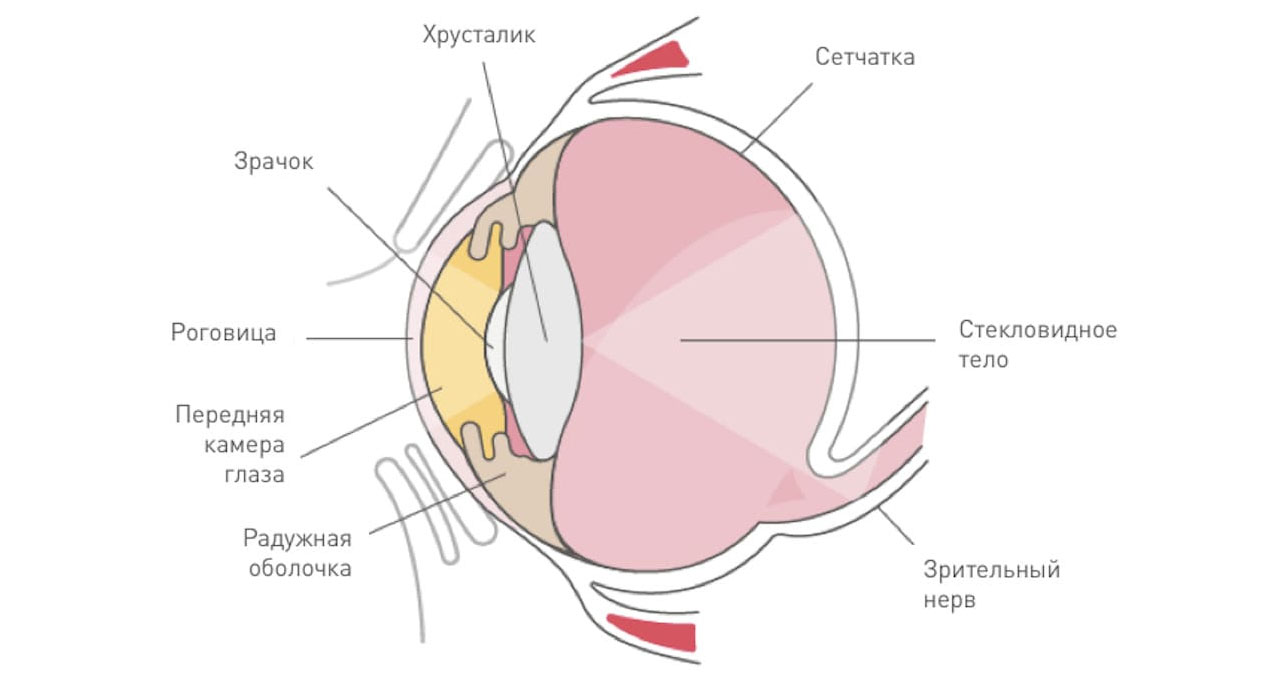
The dog's eye has a complex structure and consists of many elements:
- cornea protects the eye from external influences;
- iris (iris) regulates the amount of light transmitted;
- lens creates a projection on the retina, forming an image;
- retina allows you to recognize colors, shadows and is responsible for vision in low light conditions;
- tapetum reflects light.
Interesting fact! Unlike humans, dogs have a third eyelid—a small fold of skin located in the inner corner of the eye that contains an additional tear gland. The eyelid is essential for effective cleaning and moisturizing of the eye.
As a rule, puppies open their eyes 10-14 days after birth, and only at approximately 1 month do babies begin to see clearly, confidently navigate space, and recognize people. Babies' vision fully returns to normal by 8 weeks of age.
Some congenital visual defects can be recognized even at this age, but it is almost impossible to understand that a small puppy who is 1 month old has poor vision, especially if the eye pathology is not visually noticeable.
Many owners are surprised to learn that dogs' color perception differs significantly from humans', somewhat reminiscent of human color blindness. In other words, dogs are nearly indistinguishable between red and orange shades, but they clearly see yellow and blue tones. It's also worth noting that dogs have binocular vision (farsightedness), like most predators—they can clearly see moving prey in the distance, but have very poor focus on objects closer than 25 cm.
All these facts don't necessarily mean your dog has poor eyesight. Their visual system is simply adapted to different tasks—a wider field of view and the ability to distinguish objects even in the dark.
Moreover, dogs' vision varies significantly depending on breed-specific skull structure and muzzle length. For example, brachycephalic dogs have better up-close vision than those with long noses.
Blindness in dogs
Complete or partial blindness is said to occur when a dog has no vision at all in one or both eyes.
The causes of blindness can be very different:
- genetic diseases;
- injuries;
- cataract;
- glaucoma (high intraocular pressure);
- retinal atrophy;
- optic neuritis;
- chronic inflammatory diseases;
- age-related changes in structures (in this case, they say that the dog goes blind from old age).
Symptoms in adult dogs
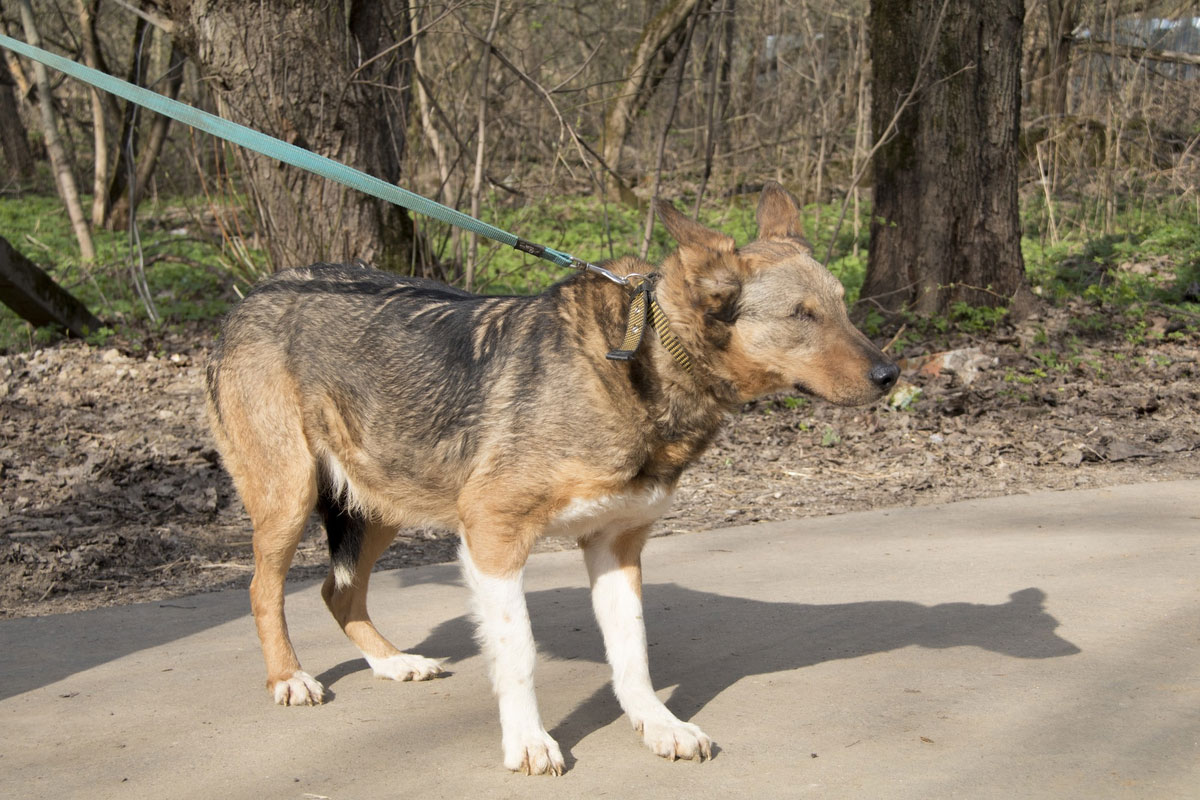
Veterinarians aren't usually asked how to tell if a dog is blind, as the changes in the animal's behavior and condition are obvious. Most often, owners notice that their pet:
- does not open eyes or looks with an “unseeing gaze”;
- moves unsteadily, lowering its nose as low as possible to the ground, or trying not to lose tactile contact with the owner’s leg;
- raises paws unnaturally high when walking;
- bumps into objects (poor orientation in space);
- stops responding to visual stimuli, but the reaction to sounds and smells increases.
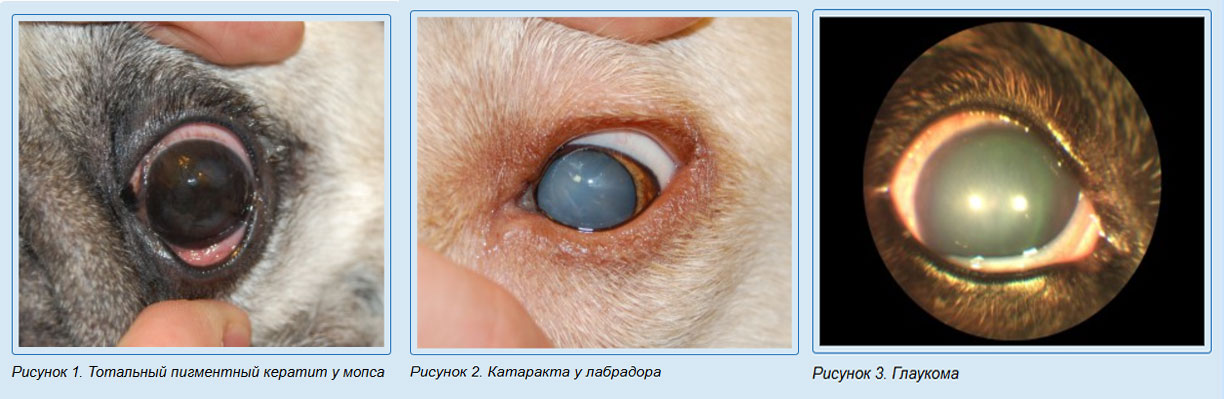
Another obvious symptom may be a change in the appearance of the affected eye. The photos show examples of how the pupil and cornea can change with different types of diseases. However, only the blind eye may change, which will be particularly noticeable.
Symptoms in puppies
Symptoms are especially pronounced when vision loss occurs in an adult dog, already accustomed to a certain type of spatial orientation. If a puppy has a congenital problem, the symptoms will be less obvious, as from the first days of life, it will learn to navigate its surroundings through smells and sounds.
It is especially important to check your puppy's vision if you are considering purchasing a puppy with a genetic condition that is often associated with blindness.
How can you tell if a puppy is blind if their eyes don't show any visible pathological changes, and the blindness is the result of genetic mutations? The easiest way is when meeting the puppies:
- observe how the baby reacts to objects shown to him (without a specific smell) or the trace of a laser pointer;
- observe whether the baby can get around the obstacles placed in the room;
- assess whether the puppy reacts to sudden movements in its field of vision (threat test).
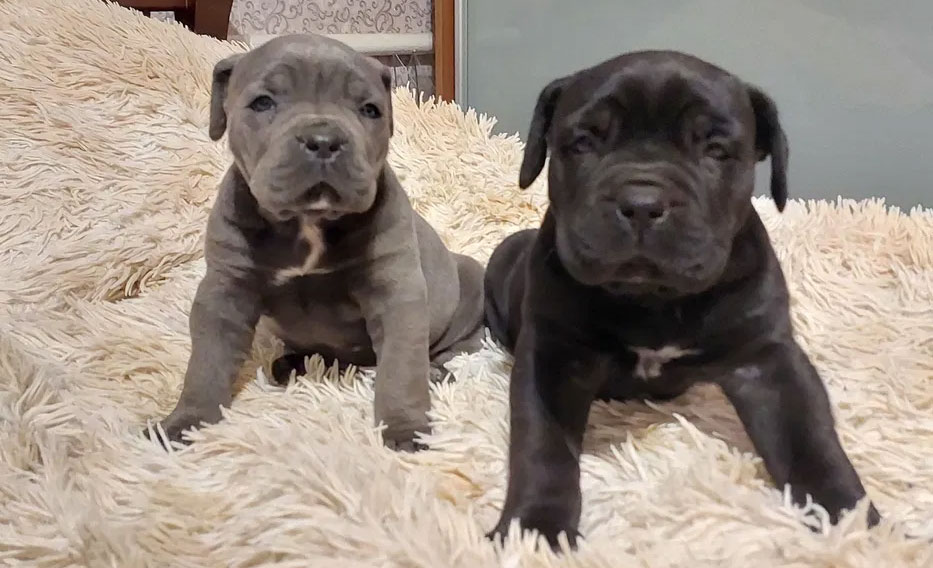
If the results of these tests raise any doubts, it is worth checking whether the pupil reacts to bright light, or asking the breeder for a veterinary report on the puppy's health.
Signs of deteriorating vision in dogs
Sudden blindness in dogs is rare, but it can be difficult to detect vision loss in your pet in the early stages. Symptoms typically become apparent when the disease is advanced and changes to the eye structure become irreversible.
That's why veterinarians explain to breeders how to recognize a dog's poor vision so they can quickly identify the cause of the problem and begin treatment.
The following may indicate deteriorating vision:
- a sharp decrease in activity level (the pet sleeps a lot, is reluctant to move around the house);
- loss of interest in games (the dog cannot find a thrown object);
- increased anxiety and aggression;
- avoiding contact with other animals;
- lack of recognition of the owner at a distance;
- "Night blindness" is a decrease in vision in low light conditions.
It's worth noting that the symptoms described may not appear constantly or only when the pet finds itself in an unfamiliar environment, since at home it gets used to navigating perfectly well given its existing vision.
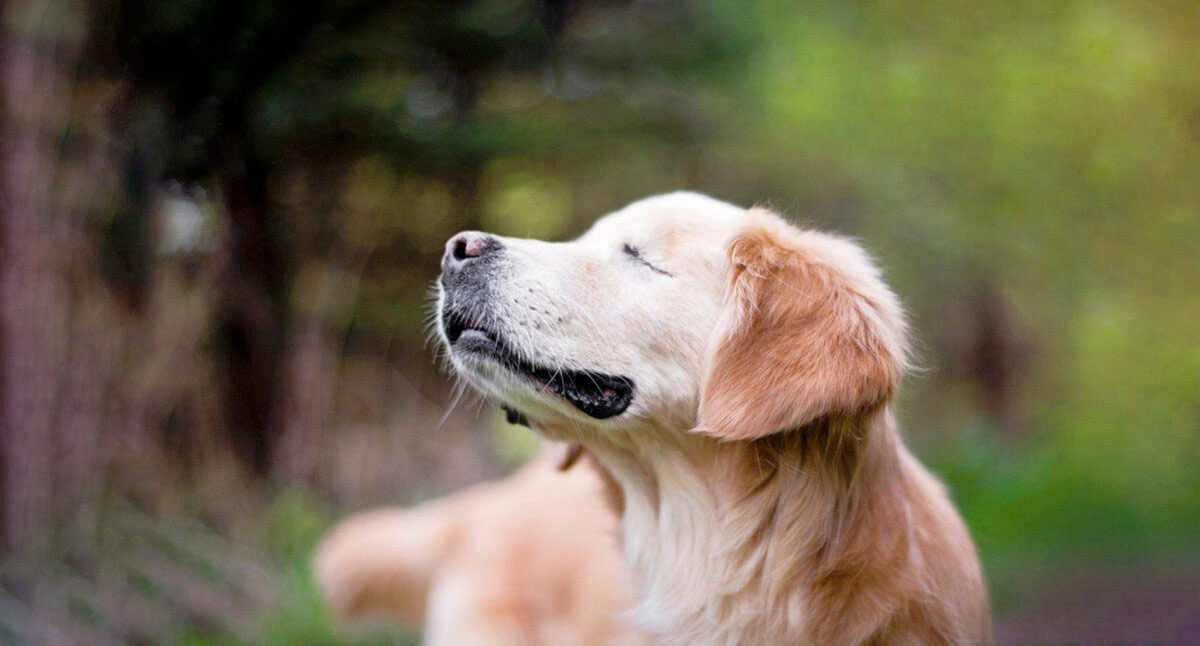
Knowing how to tell if a dog has poor vision, owners should be alert to any changes in their pet's behavior and periodically examine their pupils. A difference in the size of the left and right pupils or a blue (almost white) tint in one eye may also indicate problems.
Diagnostics
Even if you know how to tell if your dog is going blind, you may not be able to determine the cause of your dog's eye problems.
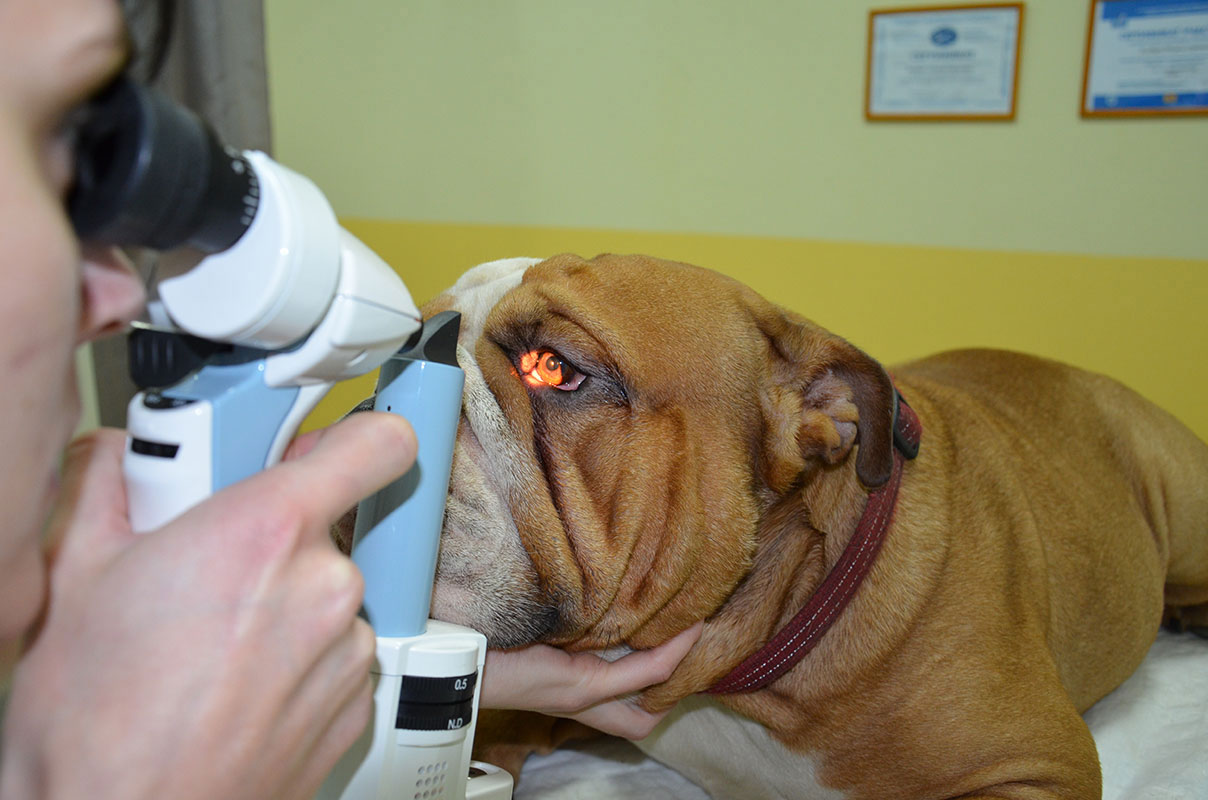
To make a correct diagnosis, a comprehensive examination is necessary, including:
- anamnesis collection;
- slit lamp examination;
- Schrimer test (if dry eye syndrome is suspected);
- ophthalmoscopy;
- electroretinography.
Treatment methods
Is it possible to treat blindness? It all depends on the underlying causes of the dog's vision loss, the pet's age and health, and a number of other factors, including the owner's financial means, as many treatments are quite expensive.
Today, even cataracts and glaucoma in dogs can be treated surgically. However, experienced ophthalmologists can be found in large cities like Moscow and St. Petersburg (clinic addresses can be found online). In smaller regional towns, surgical treatment for severe eye conditions is unavailable, but supportive therapy can always be helpful, which can improve the animal's condition.
What to do if a dog goes blind
In fact, you should do the same thing you would do if a similar problem arose in a person - try to find out the cause and treat it, and if the changes are irreversible, then you should provide your pet with care and proper maintenance.
Important! Blindness is not a reason to euthanize a dog. While significant vision loss or complete blindness can impact the lives of both dogs and owners, with proper care, these animals can live long, happy lives, giving love and devotion to their people.
Owners of blind and visually impaired dogs should remember the following rules:
- The house should be as safe as possible for the pet.
- The space should remain familiar (you shouldn’t rearrange things or change the location of individual objects, including seats and bowls).
- Dogs must not be let off the leash (except in fenced walking areas).
- During training, focus on sound signals.
- During the game, stimulate all the senses; this will help the animal to explore the world in a new way.
- If possible, socialize your pet and let him interact with other dogs.
Read also:
- Heterochromia in Dogs: Causes of Different Eye Colors
- Third eyelid prolapse in dogs
- My dog has red eyes: why and what to do


Add a comment