
How to tell if your cat loves you
Cats are among the most common pets. However, these animals have strong personalities, living close to humans but also living on their own. They rarely show affection openly, as dogs do: they rarely run out to greet their owners, and they don't always want to cuddle or play, which can lead to the mistaken impression that the pet doesn't feel warm feelings for its owners. Nevertheless, everyone is curious about how a cat feels about its owner. There are several characteristic feline behavioral traits that indicate a special relationship between a pet and its owner.
Content
Tail like a pistol
According to John Bradshaw, who studies cat behavior, a raised tail is an indicator of good mood or pleasure. This is how kittens express their joy at meeting their mother cat. So, if your cat walks around with its tail held high, as if taut, it's likely a sign of affection.
Staying in one room
It's important to remember that cats are solitary creatures. Considering their predatory nature, it's easy to explain why they're solitary by nature. If a cat doesn't run out of the room you just entered and even follows you around, it's a kind of feline "compliment" and a sign of trust.
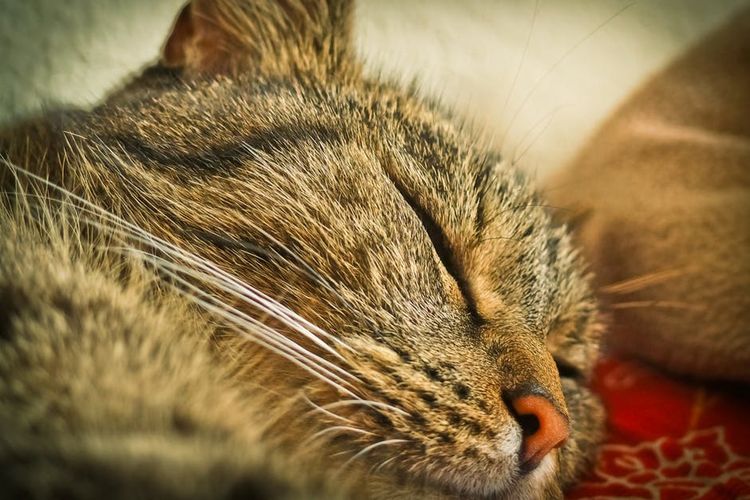
Licking the owner
Not everyone might appreciate a cat licking exposed skin with its rough tongue, and some might even find it downright unpleasant. All members of the feline family in the wild groom their family members. Domesticated cats, in addition to their own kind, may groom their owner or other household members, but they do so quite rarely. Therefore, this feline gesture can be considered a sign of impressive affection and love for you, rather than a concern for your hygiene.
Unexpected gifts
Owners of pets who love to hunt have likely found their prey, or parts of it, on their doorsteps or in other, more unexpected places. But don't take such finds as a terrible thing. By bringing home a bird or a mouse, a cat is simply showing concern for the family members who aren't good hunters and thanking you for your care. They're unaware that you don't eat mice and don't understand why your owner doesn't appreciate such gifts. You can even praise your pet for such generosity, as they're doing it with all sincerity; otherwise, they'll be offended and leave you without gifts.
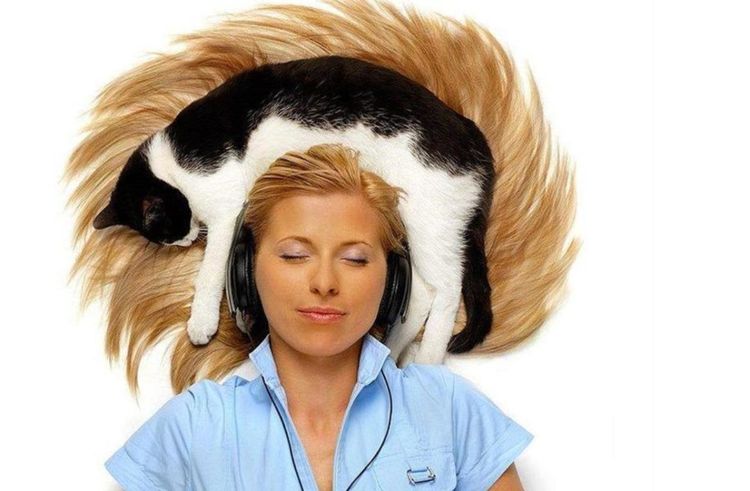
Sleeping next to the owner
According to felinologists, cats sleep for approximately 16 hours a day. They naturally choose the most comfortable and safe places to do so, as they feel most vulnerable and defenseless during sleep. But sometimes they'll curl up next to their owner on the back of a chair, the edge of a table, or even prefer to settle into their owner's lap. If your pet slumbers soundly in such places, they're doing so solely for the closeness they feel, as it allows them to feel completely safe.
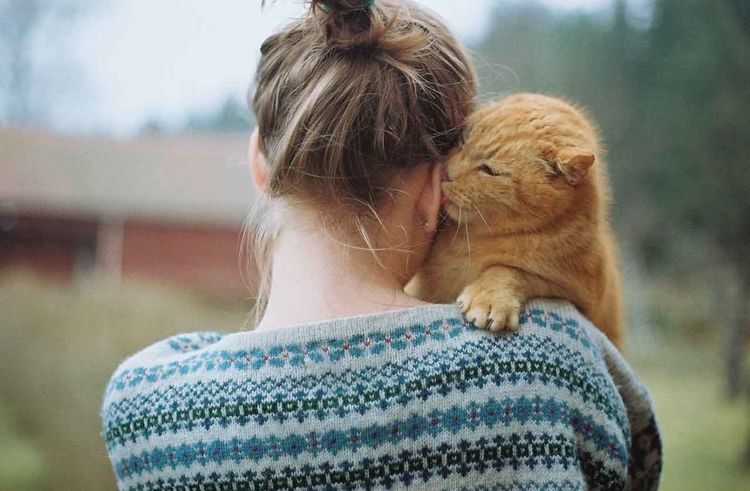
Rubbing cheeks
If a cat likes to rub its cheeks against its owner, it's not just a way to "mark" them as feline property. They're known to mark their territory and the objects within it. This can be done with claws, urine, or a secretion from special glands located in the cat's cheeks, which is undetectable to the human sense of smell. The latter method is used exclusively for familiar objects or people who are guaranteed not to pose a threat. Thus, by pressing its cheeks against any part of your body (legs, arms, or face), the cat demonstrates friendly affection or perhaps expresses gratitude.
Trampling on different parts of the body
If you think your cat is gently kneading your belly in the hopes of begging for something, that's not entirely accurate. In fact, this habit stems from childhood and is known as "milk walking." Kittens do this when they knead their mother's belly to stimulate lactation. As adults, this behavior confirms that the cat feels as comfortable and safe with you as they do with their mother.
Purring
Purring is one of a cat's ways to express love. If you listen closely, you can discern a wide range of sounds, from gentle and soft to loud and demanding. These sounds express a wide range of feline emotions, from joy to anxiety. But rest assured, if your cat purrs when they're near you, you'll know for sure that they love you.
Knowing these basic ways a cat can show affection for its owner can help you see that pets truly love and need their human companions.
Read also:
- Why do cats wag their tails?
- Why do cats trample us with their paws?
- Why are cats afraid of cucumbers?


1 comment
Dina
Our cat, Rikusha, is turning 22 and still very active. He eats well, but we don't give him dry food because he prefers soft food—premium, in fact. He also enjoys boiled chicken. He often calls you to the refrigerator and uses his paw to indicate what he likes. Overall, you won't get bored with our cat. He hates being alone, sleeps next to you on the couch, and constantly asks to be picked up. He's practically stopped being naughty and has become less prone to running around the apartment, sweeping everything away. Age takes its toll.
Add a comment