
How to tell if a cat is sick
Cats are extremely secretive animals, so it's important for owners to know how to quickly identify when their cat, kitten, or cat is unwell. In this article, we'll explain in detail how to tell if your cat is sick and which symptoms warrant an immediate visit to the veterinarian.
Content
10 Signs Your Kitten Is Healthy
If you're just planning to bring home a kitten, it's crucial to be able to assess visual signs of health when first meeting the animal. Unfortunately, breeders don't always honestly warn potential buyers about any illnesses their kittens may have, and sometimes they may not even be aware that the kitten is sick.
Important! Choose a kitten that is at least 2 months old, as this is the age when key parameters can be assessed, and the breeder is obligated to administer the kittens' initial vaccinations.

The following factors indicate the baby's good health:
- smooth, shiny coat (without bald spots or sparse areas);
- clean eyes (without crusts or signs of souring);
- clean, slightly moist, cool to the touch nose (without excessive discharge);
- clean ears (without specific odor or traces of discharge);
- absence of traces of fleas and other parasites on the skin (crusts, rashes, scratches, etc.);
- body symmetry;
- correct movements, no stiffness in the limbs;
- activity and curiosity;
- playfulness;
- good appetite.
If a kitten has already reached the age of teething, it may develop a specific odor in the mouth, but in all other cases this symptom should be a cause for concern.
Pet Health Checklist
When a cat has been living in the house for several months, the owner knows the habits of their beloved pet very well and can monitor signs that the animal is feeling well.
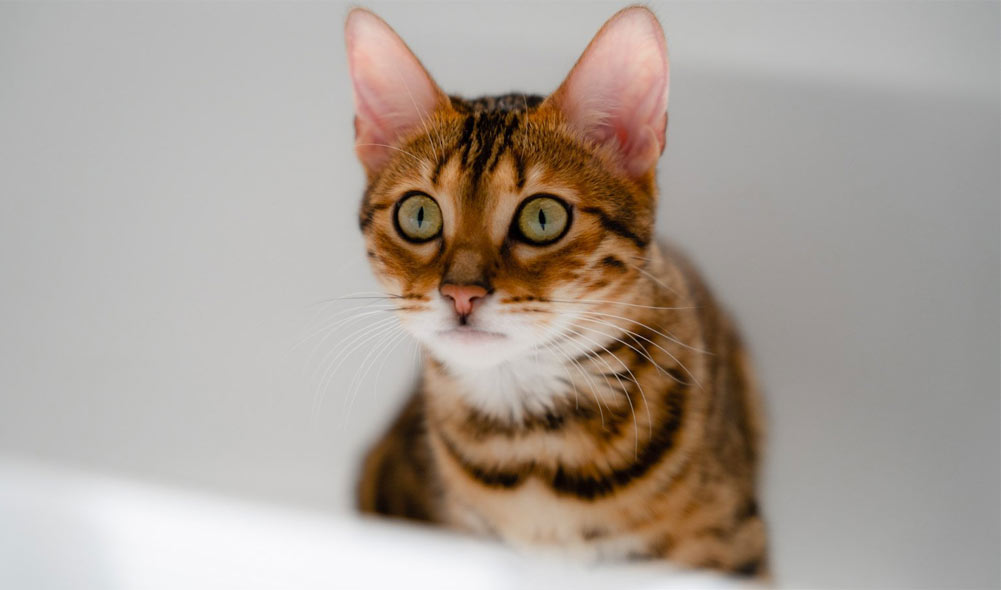
The following indicate good health of an adult animal:
- Well-groomedThe condition of the coat is a litmus test for the overall health of the animal, so any changes in its appearance should raise concern.
- Constant groomingIf a cat stops grooming itself, you may suspect that it is feeling unwell.
- Good appetiteTypically, this is a sign that the pet is healthy, but there are a number of conditions in which a decrease in appetite is normal (for example, during heat, in the first weeks of pregnancy, after sterilization surgery, after childbirth, and during stress).
- Moderate thirstAnimals fed dry food drink more water and more frequently than those fed natural food, but a sharp increase in fluid intake may indicate a developing disease.
- Regular litter box useNormally, intact cats use the litter box 2-3 times a day to urinate, while neutered cats use the litter box up to 5 times. A cat should use the litter box no more than 1-2 times a day to relieve itself. The amount of time a cat spends in the litter box is also important. If the cat spends too much time in the litter box, it may indicate constipation or signs of a urinary tract disorder.
- Stable activity levelEvery animal's activity level is unique, but every owner knows how often and for how long their cat likes to play, how quickly they tire, and how long it takes to recover after a period of activity. If your cat is lethargic, apathetic, or unresponsive to their favorite toys, this is a clear sign that they're not feeling well.
- Contact with the owners, communicationIf a normally sociable and affectionate cat begins to avoid its owners, refuses to be handled, or displays aggression, this may indicate that the animal is experiencing pain.
- Talkativeness and voice. Of course, most cats can't communicate pain, but some pets alert their owners to discomfort with loud cries. A change in their voice or their usual "talking" style can also indicate that a cat needs to see a veterinarian.
- Animal poseHealthy cats are somewhat relaxed outside of playtime, but can adopt a wide variety of sleeping positions. When they're interested in something, they react quickly: their pupils constrict, their body tenses, and their ears turn forward.
- BreathWhen at rest, a cat should breathe evenly, without jerking or panting. Like people, cats can suffer from colds affecting the upper respiratory tract (indicated by a runny nose, sneezing, and watery eyes) and the lower respiratory tract (characteristic symptoms include coughing, shortness of breath, and rapid breathing with unusual sounds).
How can you tell if your cat is sick and should be taken to the vet? Any sudden changes in behavior, excessive weakness and lethargy, an unkempt appearance despite following routine grooming procedures, or other abnormalities you may notice at home are all reasons to visit the veterinarian. Remember, a comprehensive examination is essential for a proper diagnosis. Only then will treatment be most effective.
What do the symptoms indicate?
It is important to know not only how to generally understand that a cat is sick, but also how to determine what exactly is bothering your pet.
Keep in mind that most of the basic symptoms (lethargy, refusal to eat, fever, gastrointestinal problems) are characteristic of a wide range of diseases!
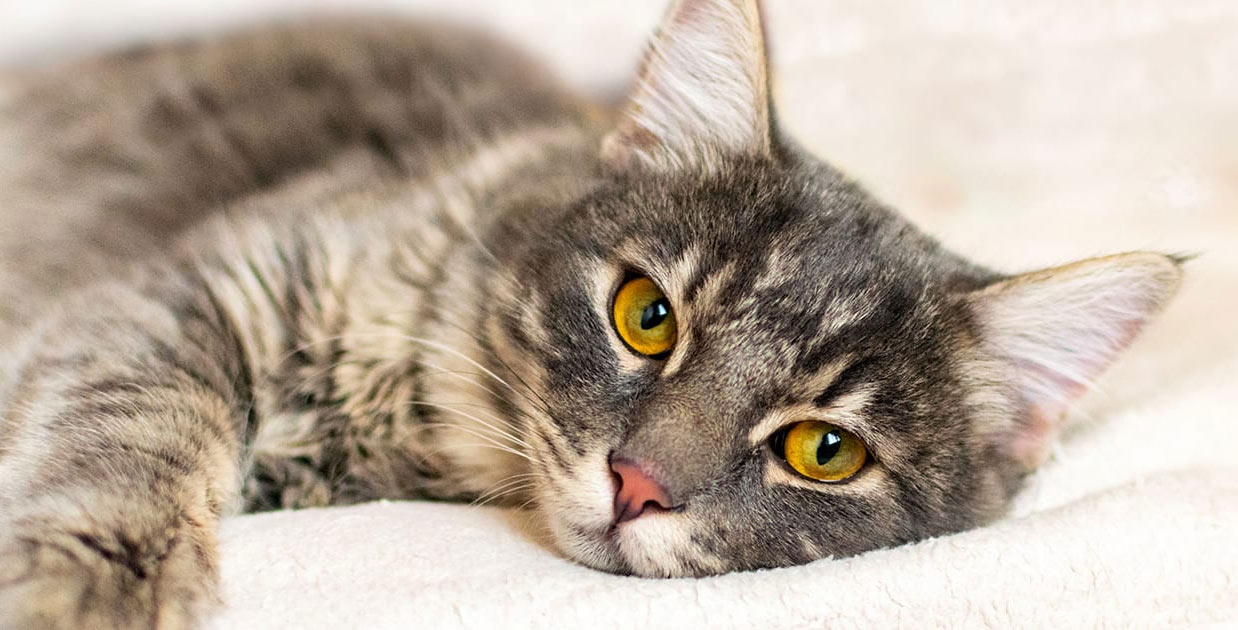
At the same time, a number of symptoms may indicate a high probability of certain health problems in your pet:
|
Symptom |
Possible problems |
|
Change in the appearance of the coat |
1. Lack of vitamins and microelements. 2. Hormonal imbalance. 3. Age-related changes. 4. Stress. |
|
The cat stopped licking itself |
1. Stress, depression. 2. Pain in the mouth area. 3. Severe weakness against the background of the development of any disease. |
|
Decreased appetite, refusal to eat |
1. Problems with the gastrointestinal tract. 2. Severe stress. 3. Dental diseases. 4. Diseases of the oral cavity. 5. Infectious diseases. 6. Helminthiasis (worm infestation). |
|
Strong thirst |
2. Kidney dysfunction. 3. Disorders of the thyroid gland. 4. Metabolic disorders. |
|
Vomiting, diarrhea |
1. A wide range of infectious diseases. 2. Poisoning. 3. Helminthiasis. 4. Disorders of the gastrointestinal tract. 5. Disorders of the pancreas. 6. Liver diseases. |
|
Frequent urination (the cat has stopped using the litter box) |
1. Kidney disease. 2. Diseases of the reproductive system. 3. Diabetes mellitus. |
|
Cough |
1. Colds (viral infections). 2. Helminthiasis. 3. Foreign body in the respiratory tract. 4. Damage to lung tissue by cancer. |
|
Discharge from the nose and eyes |
1. A wide range of infectious diseases. 2. Neoplasms in the nasal cavity. 3. Allergic reaction. 4. Eye diseases. |
|
Discharge from the ears |
1. Fungal infection. 2. Ear mites. 3. Inflammatory processes caused by bacteria. |
|
Itching (the cat scratches itself a lot) |
1. Fungal infections. 3. Bacterial infections of the skin. 4. Skin injuries. 6. Insect bites, including fleas and ticks. |
|
Hair loss |
1. Fungal skin infection (commonly called lichen). 2. Allergy. 3. Focal alopecia. 4. Result of stress. 5. Hormonal imbalances. |
|
Bad breath |
1. Dental diseases. 2. The period of teething in kittens. 3. Gastrointestinal diseases. |
|
Aggression (exhibited without reason by a previously sociable, tame animal) |
1. Stress. 2. Severe pain. 3. Brain diseases. 4. Rabies. |
|
The cat is limping (his gait has changed) |
1. Pain in the limb. 2. Joint diseases. 3. Injuries. 4. Diseases of the nervous system. 5. Brain diseases. |
Using the table, you'll learn how to tell if your cat is in severe pain, but you'll likely be unable to determine whether your pet's stomach pain is due to a gastrointestinal disorder, an internal organ injury, or an acute inflammatory process in the abdominal cavity. There's also no (and can't be) a single guide to understanding whether a kitten or adult cat has contracted a particular infectious disease. At home, without laboratory tests that can accurately identify the pathogen, it's impossible to determine whether your pet is suffering from distemper, enteritis, rotavirus, coronavirus, or another infectious disease.
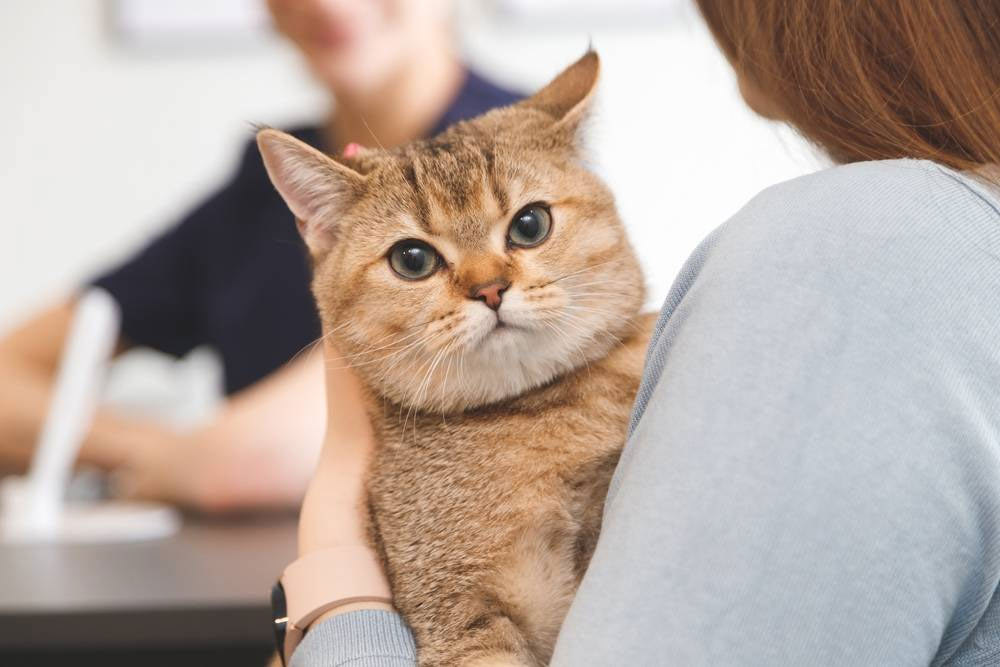
Very often, when suspecting a pet has a disease, owners try to treat the cat at home and only consult a specialist when symptoms persist for a long period or become serious and the animal requires emergency care.
Dangerous symptoms
So, you know how to tell if your cat is sick, but in most cases, the signs of illness aren't life-threatening, meaning a visit to the vet can be scheduled at a time convenient for you and the vet. However, there are a number of symptoms that, if noticed, require immediate transport to the clinic, regardless of the time of day, as they may indicate a sharp deterioration in the condition and a life-threatening situation.
Dangerous symptoms include:
- body temperature above 39.2;
- loss of consciousness, convulsions;
- paralysis, loss of muscle control;
- difficulty breathing, shortness of breath;
- pallor (cyanosis) of the mucous membranes;
- vomiting or diarrhea with blood;
- a cat suffering from urolithiasis cannot urinate;
- severe allergic reaction (to food, medication, bee sting, etc.);
- any injuries (often it is impossible to visually assess internal damage).
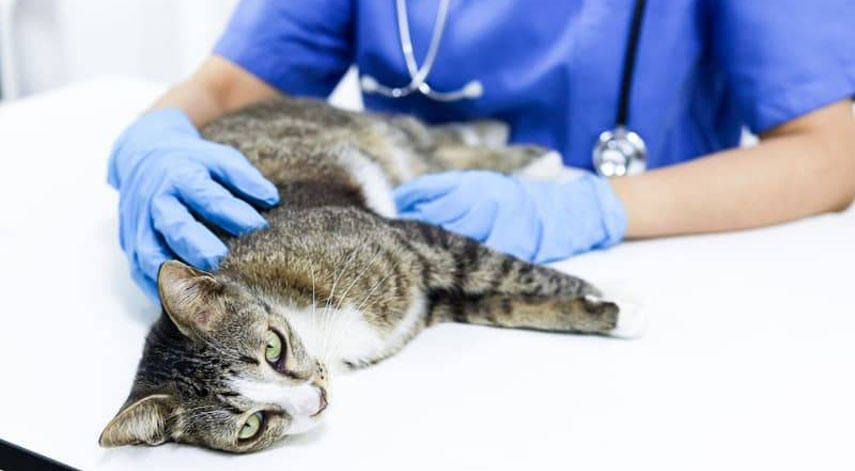
These signs may indicate that there is a real threat to your pet's life, and veterinary assistance should be provided as quickly as possible.
Veterinarian's advice
Read also:
- Ultrasound for cats: why is it done and how much does it cost?
- Taking blood from a cat
- Elevated Creatinine in a Cat: What Does It Mean and What to Do?


Add a comment