
How to tell if a cat is giving birth: key signs
On average, a cat's pregnancy lasts 65 days (give or take 5 days). This period usually guarantees the birth of healthy kittens. But how do you know when a cat is giving birth? Not everyone knows the signs. Many inexperienced owners begin to worry about the upcoming event as soon as they notice their pet is expecting. Owners of cats expecting their first kittens are especially anxious. And their pets themselves often show signs of anxiety. And for good reason.
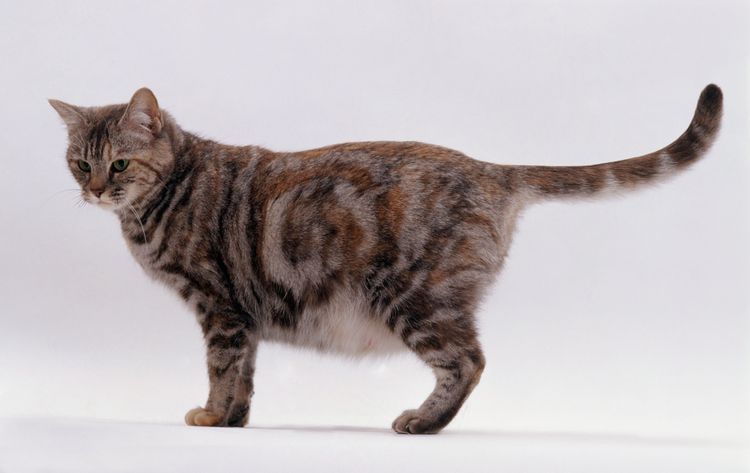
But don't worry too much. You'll have plenty of time to familiarize yourself with your cat's behavior during this period and prepare the necessary supplies for the birth at home. But first, let's try to understand the signs. You can guess that the cat is pregnantIt will be easiest to recognize an "interesting situation" and calculate the date of fertilization if the mating was planned, and you know from what point the pregnancy is recorded, which is conventionally divided into three stages, each with its own characteristics.
Content
Stages of gestation
A female cat can become pregnant for the first time after six months of age, which is typically when her first heat cycle occurs. However, most veterinarians believe that only a mature female cat, at least 12 months old, can bear healthy kittens. Pregnancy occurs in three stages:
After mating, the cat's genitals may visibly swell, but this doesn't mean she's fertilized. The first signs will become more obvious around the third week:
- the pet becomes lethargic, eats poorly, moves little, sleeps more;
- she has been vomiting repeatedly for 2-3 days;
- the nipples enlarge and acquire a bright pink color or, conversely, become lighter;
- When palpating the cat's genitals, the veterinarian notices an enlarged uterus.
During the middle period of pregnancy, the cat noticeably gains weight as the fetus actively develops. By the sixth week, the amount of amniotic fluid increases, and the kittens begin to move for the first time. By stroking the cat's belly, you can gently "feel" the kittens.
Between 7 and 9 weeks, the cat's anxiety increases, and she rushes around the apartment in search of a future "nest." The kittens move around actively, which is especially noticeable when the cat is sleeping. The cat restlessly licks its genitals.
Preparing for childbirth
Pets often give birth so quietly and gently that their owners don't even notice any signs of the event. However, if complications arise, your pet may need human assistance, so it's best to learn how to tell if a cat is giving birth and prepare thoroughly for the event.
By the end of the third trimester of pregnancy, a caring owner should stock up on items and medications that may be useful during and immediately after the birth. So, if you're concerned about the health of your pet and her future kittens, you should definitely have the following on hand by the time the kittens arrive:
- Oxytocin is a drug that stimulates labor in case of delay.
- Sterile latex gloves.
- Sterile scissors and thread.
- Antiseptic agents in powder and liquid form intended for animals.
- Brilliant green and cotton balls for treating the umbilical cord.
- A special suction device, bulb syringe, or pipettes to remove fluid from the kitten's respiratory tract if it starts to choke.
- Clean terry towels for wiping kittens.
- Veterinarian phone number for urgent consultation.
- Cat milk replacer (she may not produce it).
- A sturdy cardboard kitten box with low sides (it doesn't matter whether you buy it at a pet store or make it yourself - the main thing is that the cat can freely "travel" in and out of it without disturbing the kittens).
Signs of approaching labor
So, you've already purchased and prepared everything you need; all that's left is to wait for labor to begin. And here the question arises again: how do you know when a cat is giving birth? The signs of pregnancy are obvious, but an inexperienced owner needs additional information to be able to come to their pet's aid at the crucial moment.

Signs of approaching labor in a cat are as follows:
- the animal shows great anxiety, meows loudly, and looks for a comfortable, often hidden place to give birth;
- the mammary glands greatly increase in size, the skin around the nipples becomes dry and flaky;
- 24 hours before lambing, the pet begins lactating;
- body temperature drops to 37 degrees and below;
- on the day of lambing, the pet completely loses interest in food;
- a few hours before giving birth, the cat begins to frequently bend her back;
- the animal licks its genitals, from which a foul odor often emanates (sometimes you can notice the discharge of the birth plug, which is a mucous clot - transparent or with a pinkish, yellowish, or even greenish tint, but usually the animal “cleans up” the plug, which comes out in parts, along with the discharge).
The mucus plug coming out and the belly actively moving indicate that your pet is about to start having contractions or has already started them.
How can a person help a cat giving birth?
If your cat is about to give birth and hides away from you in a far, hidden corner, don't disturb her. Just be prepared to quickly come to your aid if trouble arises. But when your pet is nervous and constantly at your side, she definitely wants immediate help.
In this case, you should definitely reassure and cuddle her. Don't let her squat, as this could harm her babies. Try to position her on her side, petting her and offering warm words of encouragement. You can also stimulate labor yourself by stroking her tummy and spine. When she pushes, allow her to brace her hind legs against your hand. Always keep clean, warm water handy: an exhausted mother will often experience increased thirst.
The birth process
Kittens ready to be born line up in a birthing queue within the animal's bicornuate uterus. The birthing process is divided into three stages:
- The cat feels uterine contractions and a simultaneous urge to defecate. The cervix begins to open slightly. Often at this stage, the birth plug is expelled along with mucus.
- In the second phase contractions become more intense When the birth canal is painful and painful, the cervix opens fully, preparing to allow the kittens to pass through. The mother strains, trying with all her might to "push" the kittens through. This is how a healthy kitten is born if the birth proceeds smoothly. If the amniotic sac has not ruptured earlier, the kitten is born within it. Usually, the mother releases the kitten herself by gnawing through the membrane. However, sometimes she leaves the birthing area in fright or gets lost during the first litter, in which case you must come to the rescue by cutting the membrane with sterile scissors to prevent the kitten from suffocating. The next kitten should be born within 15, maximum 40 minutes after the first.
- During the final stages of labor, the mother's placenta separates. The mother must consume one of the placenta's places—this will help her quickly recognize her motherhood and accelerate lactation. Make sure that each kitten is delivered with an afterbirth. A placenta left in the mother's body can rot, leading to severe inflammation and even death. At this time, the mother may also consume a stillborn or weak kitten, which is best avoided.
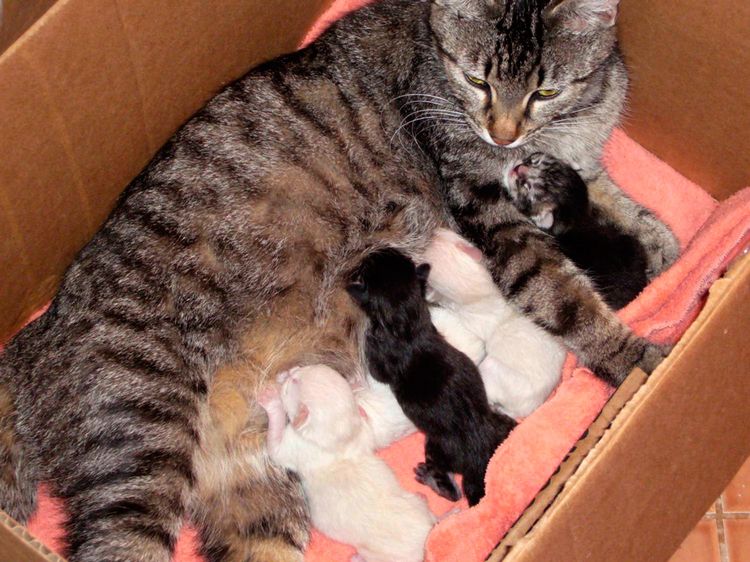
Well, the birth is over. Make sure your beloved cat has delivered all her kittens by feeling her belly: it should feel soft and empty. If you have any doubts, or if your cat isn't rushing to feed and cuddle her kittens and continues to show signs of distress, consult a specialist.
You can also ask our website's staff veterinarian a question, who will answer them as quickly as possible in the comments box below.
Read also:
- A cat giving birth
- What to feed a pregnant cat: the best foods
- How many kittens can a cat give birth to?


31 comment
Natalia
Hello, Daria. My cat is 4 years old. She's pregnant for the first time and is due to give birth soon. She feels fine, but I haven't noticed any movement of the kittens. She's not very big, but her father is a British cat. Could you please advise us on the best course of action?
Daria is a veterinarian
Hello! We'll have an ultrasound to check the kittens to see if they're viable. Look for a clinic with ultrasound and Doppler imaging. This will help you determine if everything is OK. The kittens may be too small and hard to see, or they may be too large to move in your womb. They'll also quiet down as they prepare for labor.
Maria
Hello, please tell me, my cat had a belly, she was pregnant, and in the morning her belly was gone, we live in a private house, how do I know that she gave birth?
Daria is a veterinarian
Hello! Ultrasound or abdominal palpation. If the pregnancy is advanced, you can already feel the kittens' skeletons with your fingers. The mother cat's mammary glands will swell and colostrum will begin to flow.
Daria
Hello, our cat licks her house and seems to dig the walls.
Why?
Dina
Hello, I'm off topic. I have a kitten. Because of the pandemic, I can't go to the vet, and our local vet can't do anything because he doesn't have anything. The kitten is about two months old. He's been sneezing several times a day for about a week, and today he had a fever and was lethargic, but he started moving around towards the evening, and then last night his fever got even worse. He hasn't eaten much all day and has only been peeing, hasn't vomited, and sometimes shivers. What should I do?
Daria is a veterinarian
Hello! Apparently, the kitten hasn't been vaccinated. This could mean it hasn't acquired immunity to viral diseases. This means there's a risk that the kitten has a viral infection, so treatment should include specific serums and antiviral drugs, as well as antibiotics to suppress secondary pathogenic bacterial flora. This doesn't even include symptomatic medications. It's crucial to understand the kitten's condition. If your veterinarian doesn't have any medications, how can you find serums and veterinary antibiotics? Of the antiviral medications, you can at least get injectable interferon from a human pharmacy.
Tatiana
My cat's water broke on June 6th, but they didn't do much ultrasound and said she had 3 kittens, one of them was transverse, but she gave birth to one on June 8th, but it was weak until the morning of June 9th, no more were born.
Daria is a veterinarian
Hello! Didn't they offer you a C-section? The kitten is transversely positioned; it might not come out on its own. The ultrasound showed three kittens, and one came out. The other two can't! Most likely, one of them is transversely positioned, blocking the exit. Get to the clinic immediately and perform a C-section! Otherwise, the cat will die. The kittens have most likely already died because the labor was prolonged.
Valeria
Hello, my cat is pregnant, but I don't know how many weeks she's been pregnant. She purrs constantly, almost to the point of squealing. Her nipples are large and peeling. She constantly asks me to scratch her belly. She won't let me look at her vagina, and she pushes me away with her paws, but it seems to be wet.
Daria is a veterinarian
Hello! Excuse me, but how can you determine the pregnancy period remotely? Without knowing the mating date or seeing the animal on an ultrasound. If you want precise figures, take the animal for an ultrasound. Without seeing the animal, no one can tell you anything for sure.
Natalia
Hello, my cat is two months pregnant, a Scottish Fold. She's bleeding a little bit. A couple of days ago and again today. She's constantly licking herself. What does this mean?
Daria is a veterinarian
Hello! I need to get an ultrasound at the veterinary clinic immediately. Yes, it's possible she's preparing for lambing, especially if she's a first-time mother, but blood during pregnancy is always a cause for concern and a veterinarian should be consulted (and this isn't just true for humans; animals also require a qualified examination). It may be necessary to induce labor immediately.
Karina
Hello, my cat is licking her nipple plug but hasn't lost interest in food. She feels fine, except for her dilated pupils and peeling, slightly swollen nipple skin, but she's showing no signs of distress. She's given birth six times.
Daria is a veterinarian
Hello! Well, licking the plug is quite problematic, since it's located in the cervix, which isn't very close to the "exit." It's unlikely to fit there. You're most likely talking about the loop. Don't worry, it's individual. Sometimes there are deviations from the usual process. The pupils are constantly dilated or do react to light and constrict. It's possible that mild contractions are already present, which is why the pupils are dilated and the licking is occurring. Observe carefully and try not to disturb the animal or make it nervous unnecessarily.
Irina
Hello. This is my cat's first birth. Her belly is big, her nipples are swollen, and the kittens are kicking. The other day, I noticed the back of her paws are wet. What could that be? She's calm and has a good appetite. There don't seem to be any signs that she's about to give birth. What could this wetness be?
Daria is a veterinarian
Hello! As strange as it may sound, sniff the wet spots. There are two possibilities. Either it's urine leaking (the enlarged uterus is putting pressure on the bladder, and the kittens can push hard, causing them to urinate). Or it's amniotic fluid leaking. In that case, it's best to get an ultrasound to make sure the cat is fine and there's no danger to her or the kittens.
Elena
Hello. Could you please advise? My cat is 66 days along, from the second day of mating. It's already nighttime, so she's 67 days along. She's an Abyssinian. When should we expect her? She's sleeping and eating. She's not looking for a place and never has been. We can see the kittens moving. She's only had one litter, so we're worried.
Daria is a veterinarian
Hello! The normal "waiting time" for Abyssinian cats to give birth is 65-66 days from the last day of mating. But don't delay. 70 days is the maximum. After 71 days, labor is extremely dangerous. Go to the clinic for an ultrasound. Let them see how the kittens are doing. Labor may need to be induced or a cesarean section may be necessary if you have multiple or large pregnancies (especially if you're a first-time mother). Generally, there's a genetic predisposition to carrying a kitten past term. If possible, contact the breeder and ask how long your cat's mother was pregnant.
Daria
I forgot to say that the cat is 14 years old.
Daria
My cat is lying next to me, she hasn't been able to give birth for a long time. I stroke her belly and back, but nothing happens. She opens her mouth wide during contractions. She purrs loudly and licks herself there. I don't know what to do, my water broke.
Daria is a veterinarian
Hello! See a vet immediately! The longer a cat waits after her water breaks, the more difficult the birth will be. This is called a dry birth. You can't help it at home. Injecting oxytocin, for example, is dangerous because it's unknown how the kittens are positioned in the pelvis (they could be in an abnormal position or in a breech position). Intensified contractions can lead to uterine rupture. If contractions are weak, an IV drip may help, or an immediate C-section can be performed at the clinic (possibly followed by a histo-oophorectomy, i.e., removal of the uterus, to prevent the older cat from having more babies).
Masha
Hello, my cat's mucus plug came out. When will labor start?
Daria is a veterinarian
Hello! If the mucus plug has come out, labor should begin within 24 hours, or two at the most. Keep an eye on your pet. I wish her an easy birth and healthy kittens.
Denis
Hello. Can you tell me how I can help my cat who is trying to give birth? This morning I saw her walking around with a kitten's paw in her vulva. The kitten is definitely dead. I tried to pull her out and tore the paw off... I pulled on the remains, but she won't go! Lord, what should I do? I can't take her to the vet because I'm in jail. I want to take her home soon. Will she die now? It seems to me the kitten is pushing against something, as if she's stuck in the canal... And the most interesting thing is that the cat has no blood coming out of there, like she did a year ago during her first stillbirth. It's dry there. Please help with advice! 🙁 🙁
Daria is a veterinarian
Hello! Unfortunately, there's nothing you can do on your own in these circumstances. Especially if the fetus isn't moving properly and the kitten's birth canal is dry (meaning labor began long ago and the sac has burst, causing the kitten to choke or suffocate), the only way to save the cat's life is by a Caesarean section. Injecting medication to stimulate contractions and pushing is dangerous in this situation: it can cause the uterus to rupture, leading to profuse internal bleeding. A kitten also won't be able to pass through a dry birth canal, as amniotic fluid acts as a natural lubricant. The dead kittens will then begin to decompose, leading to sepsis (blood poisoning). It's a shame, but without veterinary help and emergency surgery, the chances of a successful outcome are slim to none. We must find a way to transfer the animal to a clinic.
Veronica
Good afternoon, I am very afraid for my cat because she is pregnant, but I don’t know exactly when she will give birth, I don’t know what to do HELP!
Yaroslava
Hello, my cat has started going to the toilet very frequently. What does this mean?
Dasha is a veterinarian
Hello! Has the stool changed? What's the color? What's the consistency? Are there any impurities? Has the diet been changed? Has the animal's health changed? Has the frequency of toilet visits increased? Is there any pain during bowel movements? Please describe the problem in more detail, including your feeding schedule and what you're feeding it.
Ivan
Hello Dasha, can you tell me our cat has become hoarse? What could this mean?
Daria is a veterinarian
Hello! Has your cat suddenly become hoarse? Or is it because she's been meowing loudly and for so long? How is she being cared for? Is she exposed to drafts? Has she been drinking cold water? What's her body temperature? Any other symptoms? Is she sneezing? Is she producing excessive tears? Does she have an appetite? There's too little information about her condition to even make a tentative diagnosis.
Add a comment