
How to wash a cat
Although many felines are capable of maintaining their own coats, they occasionally need to be washed. For example, if a pet gets dirty outside or has been treated with flea and tick medication. Bathing a cat at home isn't as difficult as it might seem; the key is to follow the recommendations of felinologists.
Content
Frequency of bathing
Almost all cats are afraid of water, so we recommend acclimating your pet to water from puppyhood. Veterinarians recommend giving your kitten its first bath 2-3 weeks after it comes into the home, even if it hasn't gotten dirty yet.
It's recommended to bathe your pet no more than once every two months. Long-haired breeds will need to be bathed more frequently than short-haired cats.
What tools to use
To wash cats, you should only use special products that are suitable for the type and color of their coat.
Regular soap and shampoo from your bathroom shelf aren't suitable. They can cause irritation, dry skin, make the coat rough and dull, and sometimes even trigger hair loss.
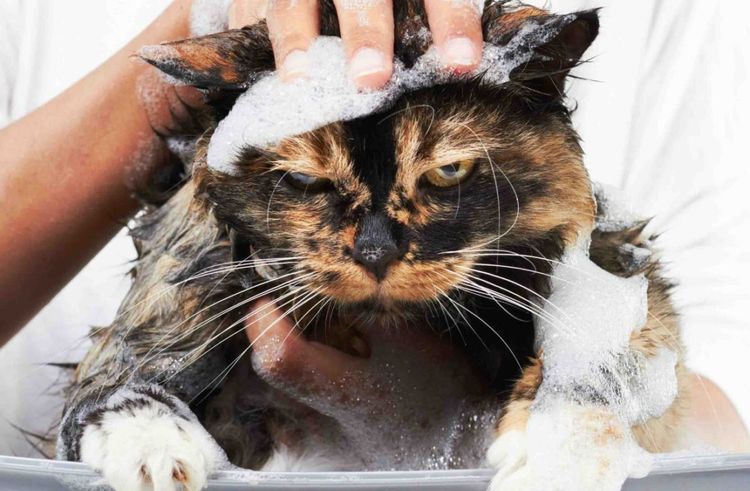
There are several types of cat shampoos:
- DryIdeal for animals terrified of water. The owner simply applies the powder to the animal's coat and then brushes it thoroughly after a few minutes. The results are just as good as using it in the water.
- Sprays. These have appeared on the market relatively recently, but many pet owners have already appreciated their benefits. These no-rinse products not only cleanse but also provide antistatic properties, making the coat easier to comb and adding shine.
- Liquid. There's a wide selection of liquid shampoos. Some are excellent at removing dirt, leaving fur soft and shiny, while others help with flea control.
How to properly wash a cat at home
Bathing a cat requires patience and care. You can make the process easier and more effective by preparing in advance and following a few tips below.
Preparation
First, you need to choose a place to wash your cat. The bathtub or sink is the most convenient place to do this.
Before the procedure, it's important to prepare everything you need (special shampoo, a couple of absorbent towels, a hair dryer) and remove any items the cat might cling to (washcloths, bottles, towels, etc.). Then, proceed to the main stage, enlisting the help of a family member and remembering to close the door to the room.
Washing
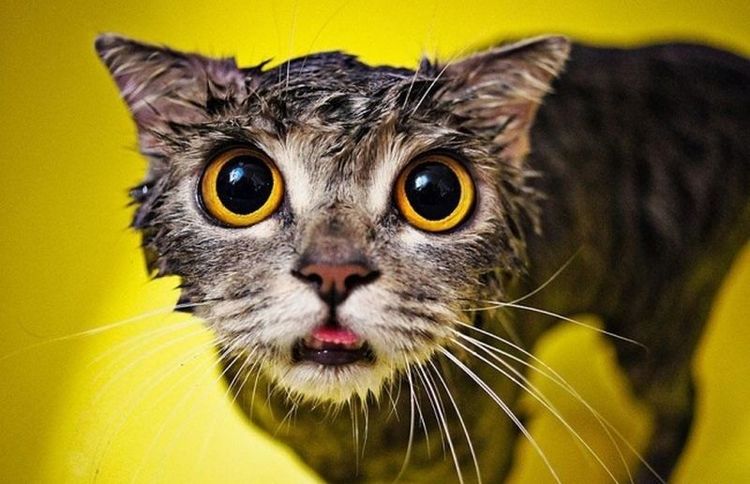
Place the cat in the bathtub, holding it so that it cannot scratch, and wet it with a stream of water from the shower, avoiding water getting into the ears and on the head.
The optimal water temperature for washing is 30-35 degrees!
Now apply the shampoo to the fur—first distribute it over the back, then the chest and stomach, and then thoroughly lather the paws and tail. You can massage it in with your hands, but stores sell special shampoo brushes that make the job easier. Finally, lather the neck and head, as this is the part animals enjoy the least. Rinse the shampoo off, again being careful not to get any water in the ears, and repeat the process.
Drying
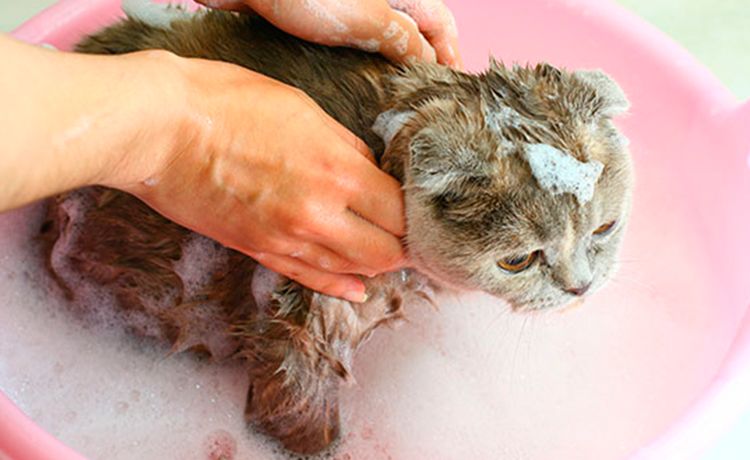
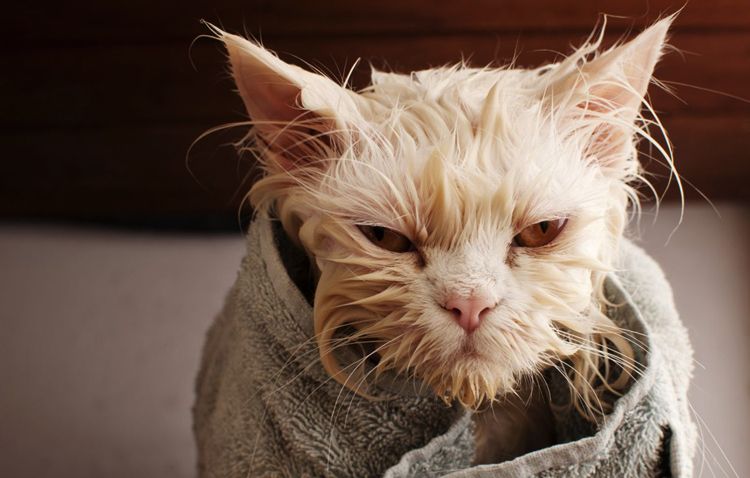
Finally, wrap the cat in a clean, dry towel and gently pat the fur dry. Avoid rubbing to ensure quick drying. Replace the wet towel with a dry one, wrap the cat tightly, and hold it in your arms, demonstrating your love and care. The cat will shake violently during this time, but after a few minutes, it will calm down and perhaps even fall asleep.
You can completely dry your cat's fur with a hairdryer. However, most cats are terrified of the noise. If your pet is one of these, don't further upset their psyche. Wait until their fur dries naturally, but make sure the room temperature is at least 24 degrees Celsius and there are no drafts, otherwise your cat may become ill.
Video: How to properly bathe a cat at home
Read also:


Add a comment