
How to take a cat's temperature at home
A cat's elevated body temperature indicates a health problem. A caring owner should never ignore this condition, as it can only worsen the pet's condition.
Content
Methods of measurement
The most accurate way to measure a dog's temperature is with a special thermometer, which can be purchased at a veterinary pharmacy. However, a regular human thermometer will also work.
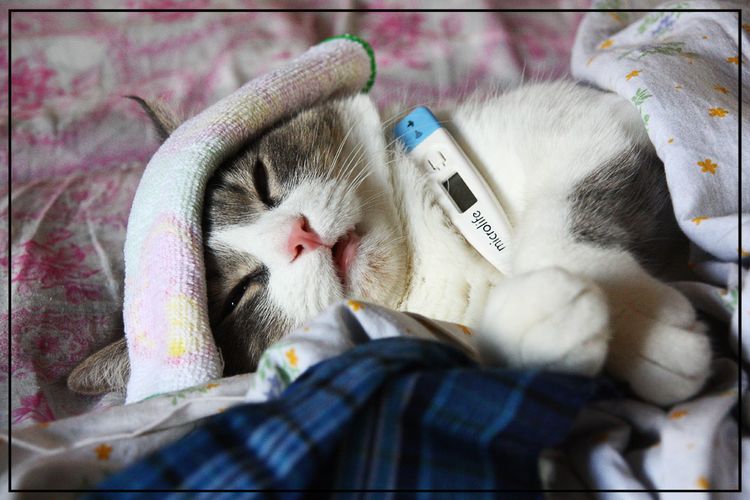
Electronic thermometer
Given that the only reliable measurement method is rectal, it's preferable to use a digital thermometer rather than a mercury one. While the latter is considered more accurate, it's unlikely your cat will tolerate the 5-7 minutes it takes to take the measurement.
The electronic gadget produces accurate results in just a few seconds, and its only drawback is its relatively high price.
Ear thermometer
Some, out of concern for their pets, use ear thermometers, but the accuracy of the results is questionable. The problem is that it's quite difficult to take measurements while adhering to the required standards. Another drawback of this device is its high price compared to other thermometers.
Basic recommendations
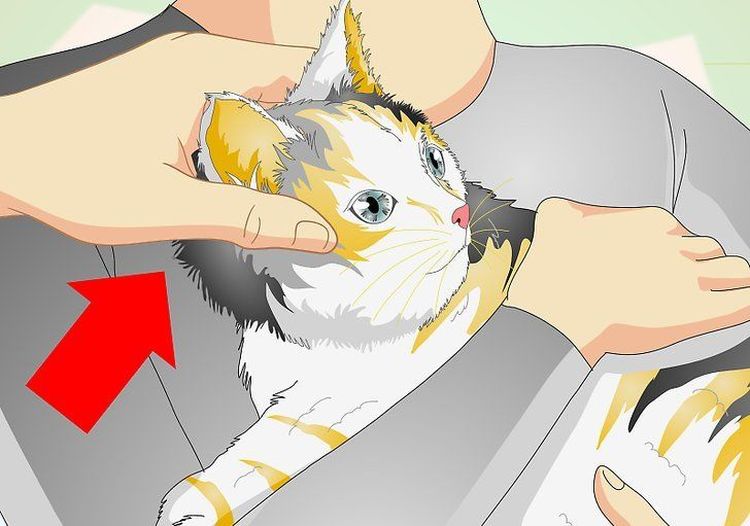
It's best to take the temperature when the cat is calm. It's a good idea to ask someone to help, as this is an uncomfortable procedure and the animal is likely to resist.
Wrap your cat in a towel, securely securing its paws and leaving only its head and tail exposed. Lubricate the tip of a disinfected thermometer with Vaseline or baby cream, insert it 1.5-2 centimeters into your pet's anus, and angle it so it touches the inside of the rectal lining. While the thermometer is being taken, pet your cat, speak calmly to it, and afterward, be sure to praise it and treat it with its favorite treat.
Temperature norm
Felids are warm-blooded, and their normal body temperature is slightly higher than that of humans—38-39 degrees Celsius (100-102 degrees Fahrenheit) instead of 36.6 degrees Celsius (98.6 degrees Fahrenheit). In newborns, this figure is slightly higher, reaching up to 39.5 degrees Celsius (102.5 degrees Fahrenheit). Slightly higher temperatures may also be observed in pregnant cats. These are all within the normal range, so there's no cause for concern.
Important! If the temperature deviates from normal values by even a few tenths of a degree, the owner should pay special attention and take the pet to a specialist as soon as possible.
When you shouldn't worry
There are several factors that can trigger a rise or fall in temperature. For example, the body warms up by a few tenths of a degree in the evening, after eating and taking certain medications, active play, and prolonged exposure to the sun. A pregnant cat's temperature typically drops within a couple of days. before childbirth.

If you notice changes in the animal’s behavior, for example, it has become less active, sleeps a lot, refusing to eat, preferring to drink, trying to find a warmer spot or perch on a radiator, shivering, and having discharge from the eyes and nose—all of these indicate that the pet is ill. Owners often try to determine the cat's temperature without a thermometer by feeling the animal's nose. However, a hot, dry nose, contrary to popular belief, does not indicate illness. disease animal. This can often be observed during sleep and in hot weather. Older cats also often experience dry skin, but this is caused by poor functioning of the glands responsible for its lubrication.
What to do if your cat has a fever
If the thermometer reads above 39.5 degrees Celsius (102.5 degrees Fahrenheit), it's time to consult a veterinarian. Incidentally, a temperature drop to 37 degrees Celsius (98.5 degrees Fahrenheit) is also considered a serious cause for concern.
Important! Avoid any home remedies to reduce fever, especially when giving your pet antipyretic medications intended for humans.
The best you can do while transporting your pet to the clinic is to ensure they drink plenty of fluids and give them half a tablet of Analgin. It's a good idea to bring a wet cloth and some ice chips with you; apply them to your pet's inner thighs and neck.
You can also ask our website's staff veterinarian a question, who will answer them as quickly as possible in the comments box below.
Read also:
- What is considered a normal body temperature for a cat?
- How to trim a cat's hair at home
- What a healthy cat's nose should look like


Add a comment