
How cats are called in different countries around the world
It turns out that different countries around the world have different ways of calling cats. These differences stem from languages, and pets learn the method of calling from puppyhood. So, for example, an American cat won't respond to the standard "kitty-kitty." She's simply not accustomed to that kind of address.
Content
Is there much of a difference?
Cats are more consistent: to communicate with humans in any country, they use a single, signature sound, "meow," and even landmasses are incapable of influencing this "Esperanto." If you take a cat to the other end of the world, it will understand another member of its own species perfectly well.
People have complicated things. They can't find common ground not only with people from other countries, but also with their pets. You can shout "kiss-kiss-kiss" as much as you like, but all you'll get out of this foreign animal is fear and surprise.
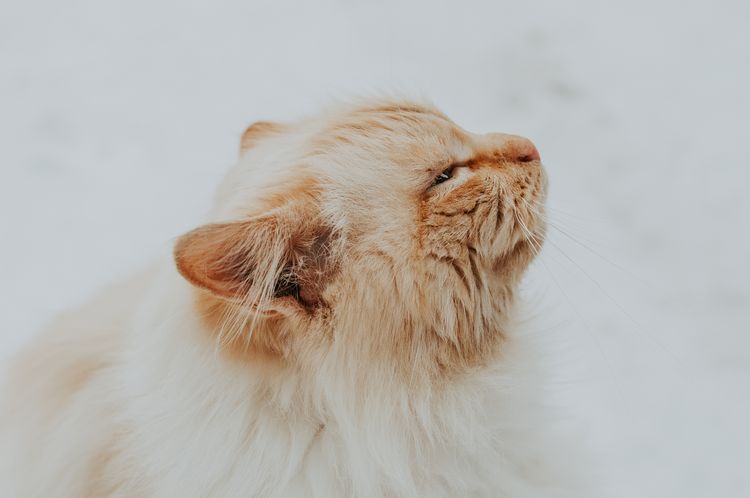
Over the centuries allotted to the development of language, humans have noticed one important detail: cats respond best to a certain category of sounds, or more precisely, to combinations of sounds. Therefore, words addressed to them should be short, making it easier to call them even at a very young age, when they are still kittens. It is easier for babies to remember combinations of two or three sounds. For this reason, we will not hear the address "respected animal with four legs, a tail, and whiskers" in any country in the world.
Almost like Russians
Russian address "kitty-kitty" is familiar to everyone since childhood. But it's not only Russians who call their pets this way. In countries like Ukraine ("kyts-kyts-kyts"), Estonia ("kisyu-kysyu-kysyu"), Turkey ("kach-kach-kach"), Lithuania (kats-kats-kats), America ("kiti-kiti-kiti"), and California ("kiri-kiri-kiri"), cats are also called with a word beginning with the letter "k." This dull consonant sound is excellent for attracting pets' attention. Not only cats but also dogs respond to it.
What if you whistle?
Some people on the street attract attention by whistling. This makes sense: whistling sounds stand out from the crowd. Cats are no exception, marvelously "picking out" whistling consonants like "S," "Z," or "Ts." The same category applies to "Sh," which, when repeated quickly, sounds more like "S."
Scientists believe this is a natural phenomenon, as cats' hearing perceives these overtones similar to the frequency characteristics of small rodents. Nature itself "prepared" their ears for whistling sounds to ensure the survival of this species, and humans unknowingly took advantage of this to attract cats.
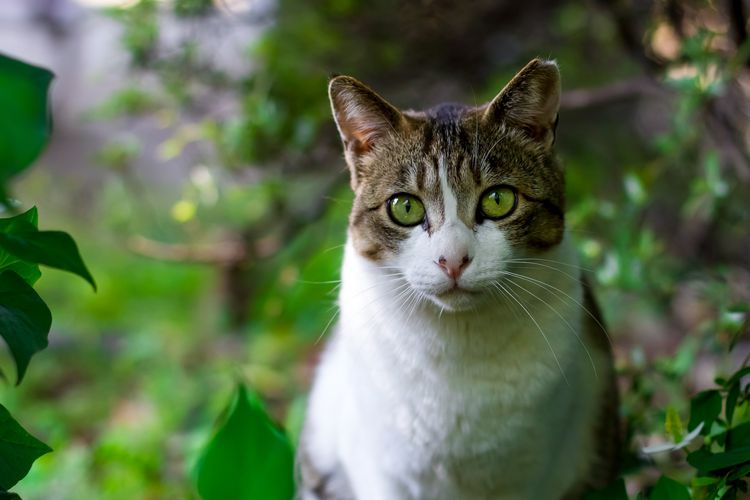
This is the principle by which cats are called in such countries:
- England - “puss-puss-puss”;
- Afghanistan - “pish-pish-pish”;
- Hungary – “tsits-tsits-tsits” (from the word “kitten” – “tsitsa”);
- Holland – “push-push-push”;
- Israel - ps-ps-ps;
- Serbia – “matz-matz-matz”;
- Tatarstan - “pes-pes-pes”;
- Japan - “shu-shu-shu”;
- Poland – “pshe-pshe-pshe”;
- Norway – "ps'y - ps'y - ps'y";
- Armenia - "psho-psho-psho";
- Tunisia – “bash-bash-bash”.
We are adapting
The "M" sound is a normal communication signal for cats, used within their species. They respond well to it, so in different countries, sound combinations that include "M" are often used to call this animal. Examples include:
- Argentina - "mish-mish-mish";
- Italy - "michu-michu-michu";
- France - "minute-minute-minute";
- Thailand – “miu-miu-miu”.
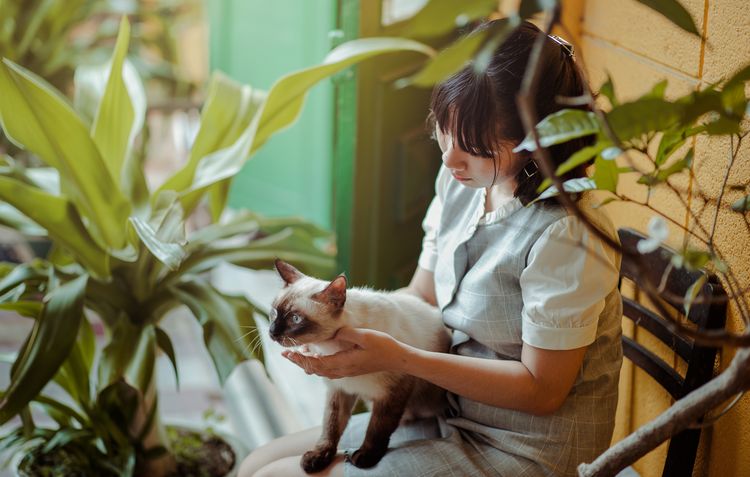
One is not enough!
In some countries, cats are so loved that they are called not just once, but twice. This can be heard in Azerbaijan—"pshit-pshit-pshit" and "pissh-pissh-pissh," as well as in Latvia—"minka-minka-minka" and "mitsi-mitsi-mitsi."
There are also a number of countries that are closer to each other than they seem based on one common characteristic: they all call their cats by the same name. In Germany, Serbia, and Montenegro, they use the combination "mitz-mitz-mitz," while in Bulgaria and Serbia, they use "matz-matz-matz" (from the word for "cat" - "matze").
The main thing is not to laugh
Sometimes certain ways of calling cats in other countries sound funny or comical to our ears. Take, for example, "pee-pee-pee," used in Georgia and Moldova, or "chi-chi-chi" in the Czechs. But in terms of affection, the Chinese surpass everyone else—they use the sound combination "mi-mi-mi."
In India, they didn't try too hard and decided to call cats by imitating their own sounds addressed to humans - "meow-meow-meow".
There is hope
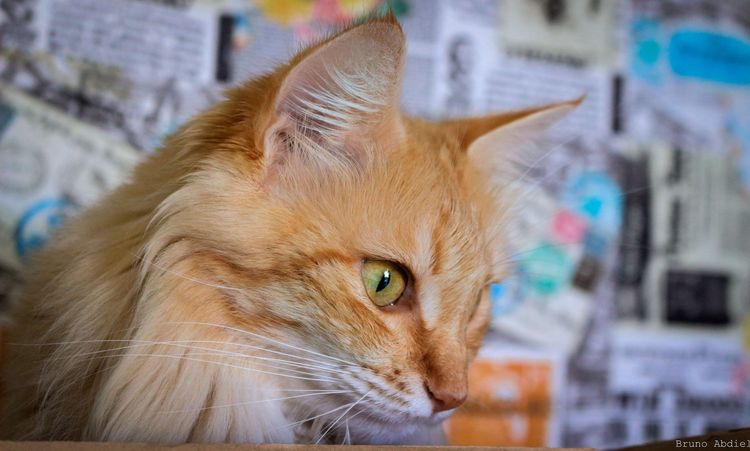
If you're unable to remember new words or quickly adapt, and when you need to call your cat, the sound that pops into your head is "kitty-kitty-kitty," you can hope that your cat will outshine you in memory. Scientists have studied that cats only need two to three repetitions on average to memorize a new, important combination. Ignore their puzzled looks and keep insisting on "kitty-kitty." They may prove more trainable than you.
Read also:


1 comment
Pole
The Poles call it kichi-kichi
Add a comment