
How to trim a vicious dog's hair at home
Grooming a dog yourself is usually straightforward, but it can become significantly more difficult if your pet doesn't enjoy the procedure. Some dogs absolutely refuse to be trimmed with either scissors or clippers, expressing anger and hostility. This behavior is likely unfounded, and to understand how to groom an aggressive dog at home, you first need to identify and, if possible, eliminate the cause of the aggression.
Content
How to correct behavior
The reasons for aggression can be quite varied, but the symptoms almost always manifest themselves in the same way: the pet bares its teeth, growls, and bites. Correctly identifying the factors that trigger the inappropriate behavior will help change the aggressive animal's attitude toward the grooming process.
The main reasons for a dog's negative attitude towards haircuts are considered to be:
- fear of the procedure;
- excessive nervousness;
- pathological desire for dominance;
- psychological unpreparedness.
Also, the pet may become angry and try to resist the haircut by any means if it experienced discomfort during the first procedure.
Fright
In most dogs, especially toy breeds, aggressive behavior is driven by fear. This is most often the result of an improperly performed first haircut, which greatly frightened the pet. Subsequent grooming mistakes were repeated, and the animal's behavior escalated. Fear-induced aggression is very difficult to eliminate. To do this, the owner must:
- understand what actions frighten your pet;
- show maximum calmness, patience and endurance to change this attitude.
To determine whether anger and hostility during grooming are caused by fear, it's necessary to compare the dog's behavior in other situations. If the pet is always calm and only becomes angry when someone tries to groom it, it means the procedure frightens it.
Nervousness
It's also difficult to groom a vicious dog at home, as they're already overexcitable in everyday life due to poorly developed behavioral skills. A pet that's already constantly nervous becomes confused during grooming and unsure how to behave. The only option is aggression, which is directly related to the owner's emotions.
Read also on our website about: Which dogs shouldn't be groomed?.
When a person knows their pet will be difficult to groom, they inevitably become anxious, and the dog senses this and becomes even more anxious. The solution in this case is to remain calm and find a way to communicate effectively with their pet.
Dominant behavior
Excessive anger in a domestic dog is nothing more than an attempt to dominate. An animal with this behavioral pattern bares its teeth at the slightest provocation, trying to become "the boss of the house." This desire to dominate manifests itself in the pet not allowing anyone to approach its food bowl or take its toy.
Grooming a vicious, dominant dog at home is very difficult. This requires the owner to be much more confident than the dog. The dog must feel that the leader of the pack (family) is the human, and that he or she must obey.
Psychological unpreparedness
When a normally calm dog becomes hostile when touched in certain areas of its body, it's expressing its distrust of its owner. Therefore, before grooming an aggressive dog at home, it's essential to develop complete trust in the owner. To do this, choose a time when the pet is relaxed and begin gently petting, praising, and gently turning it from one side to the other, carefully touching the "forbidden" areas. If the animal accepts this treatment, reward it with treats and encouragement.
With regular use of these techniques, the dog will quickly become accustomed to them and begin to cuddle, demonstrating a trusting relationship. Following this, similar exercises are performed with a brush, and once the animal becomes accustomed, gradually move on to a comb.
When the pet becomes angry, growling or baring its teeth, the procedure is not stopped immediately. First, bend its neck slightly, gently restrain it, and continue petting. It's crucial that this process be completed solely at the owner's initiative! Over time, the dog will become accustomed to this interaction and will no longer show hostility when trying to trim its fur.
How and what to use for cutting
If the location is chosen incorrectly or the owner lacks the necessary skills, the pet will experience discomfort during grooming. Even after a single session, the animal will develop an instinct that such actions will be unpleasant. Noticing the owner's characteristic movements, the animal will become angry and will resist the "execution" in every possible way. Therefore, the grooming location should be chosen so that the dog is comfortable. Furthermore, acclimation to the procedure should be gradual, periodically placing the dog on the chosen table, petting and praising it, so that the place becomes associated with pleasant emotions.
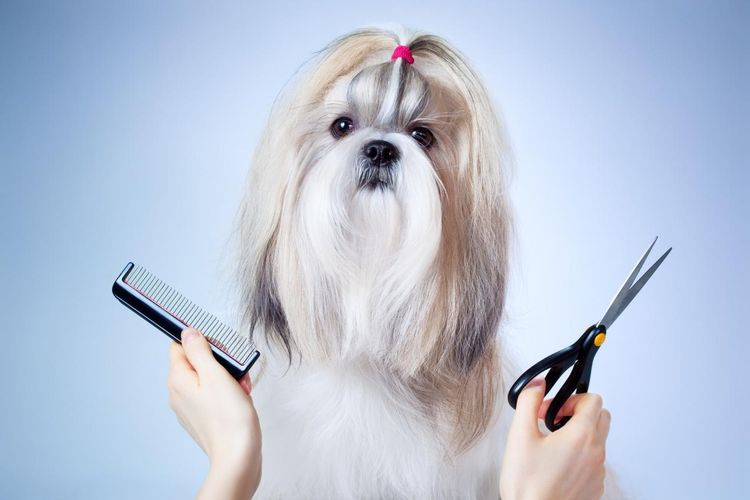
Accessories should also be comfortable and non-intimidating (a muzzle should be familiar, and the tools should be non-invasive). If using clippers, keep in mind that cheap, amateur models are loud and vibrate, which can frighten an already fussy dog. Clippers with a 45-watt rotary motor are best for this purpose.
In some cases, to simplify grooming aggressive dogs, it may be necessary to have another person assist, someone the pet knows well and trusts completely. The assistant should hold the animal during the procedure and pet and soothe it.
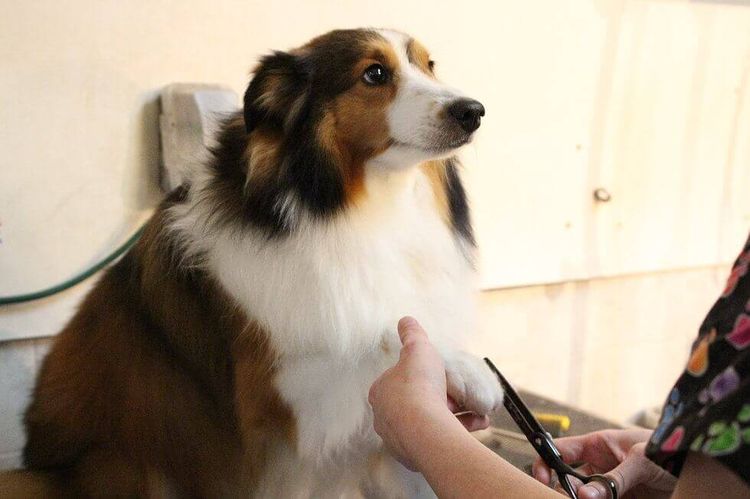
Most often, a vicious dog is groomed standing up, as it's virtually impossible to lay it on its side. The key is to walk around the animal rather than spin it.
If all the above approaches to grooming an aggressive dog at home prove ineffective, the only option is to consult a professional groomer. Experienced professionals have a unique approach and provide the most comfortable conditions possible for the procedure. Over time, once your pet gets used to it, you can return to grooming at home, learning the techniques of a professional groomer.
Read also:
- Essential 6 for dogs
- Dog grooming: which dogs need grooming?
- A white dog's fur turns yellow after trimming: why and what to do


1 comment
Dana
It's not true about dominance. That doesn't happen; a dog knows perfectly well that it's a dog and you're a human. It's simply a lack of trust.
Add a comment