
How to prepare a cat for neutering
If you're wondering how to prepare your cat for neutering, you've likely already encountered some of his behavioral peculiarities during the sexual period. If not, that's a good thing. The procedure itself is relatively simple, but to minimize the risk of complications, proper and timely preparation is essential. This is what we'll discuss below.
Content
Veterinarian's advice on preparing a cat for neutering
Before taking your pet for surgery, it is important to prepare it in advance and conduct the necessary examination.
What every owner should consider when preparing a cat for neutering:
Any surgical interventions are performed with the mandatory use of anesthesia.
A veterinarian should assess the cat's age and possible health risks in advance.
Untreated diseases and latent pathologies can affect both the outcome of the operation and the recovery process.
The owner is obliged to strictly follow all recommendations of the specialist.
Next, we'll look at some basic veterinary advice that will help you properly prepare your cat for castration.
Tip 1: Even if your pet is feeling well, routine checkups are necessary.
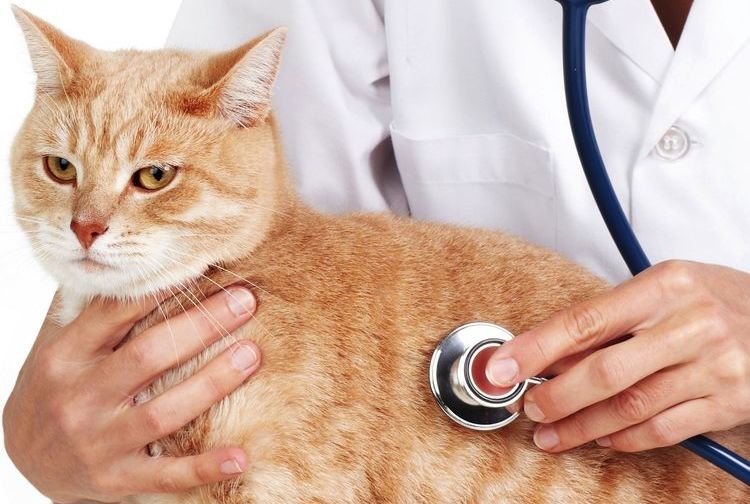
Cats often show no obvious signs of illness in the early stages. That's why a general clinical examination is performed before neutering: body temperature, weight, heart rate, respiration, and other vital signs are measured.
Tip 2: Tests and additional examinations reduce the risk of complications.
Blood and urine tests are a standard procedure and cause no discomfort to the animal. These tests allow for an assessment of internal organ function and the early detection of inflammatory processes.
If a cat is over 4 years old or exhibits excess weight, shortness of breath, or other alarming symptoms, additional cardiovascular assessments with ultrasound and echocardiography are recommended. Such examinations are also recommended for at-risk breeds, such as British Shorthair and Scottish Fold cats, Maine Coons, Ragdolls, and Sphynxes.
Tip 3. Should I feed my cat before neutering? The answer is a resounding no.
Castration is performed exclusively on an empty stomach. This is necessary to prevent aspiration pneumonia, which can occur during anesthesia. Muscle contractions or vomiting can cause stomach contents to enter the respiratory tract, leading to severe pneumonia.
Tip 4: First vaccination, then surgery.
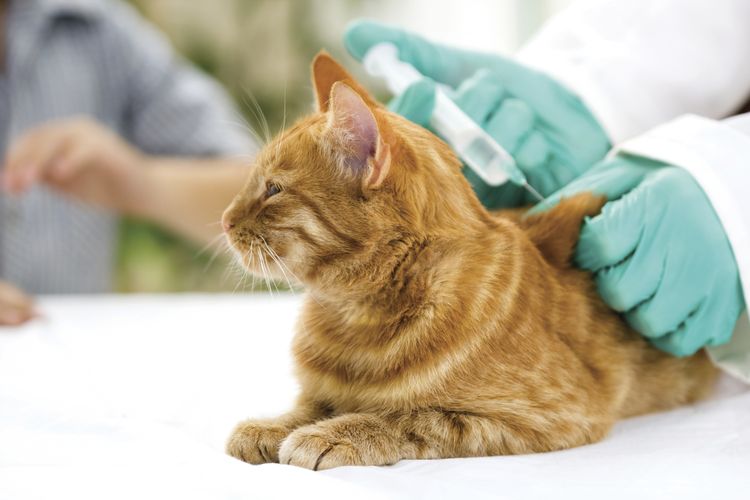
Some owners believe vaccinations are unnecessary if their pet doesn't go outside, but this is a misconception. Vaccinations should be administered strictly according to the age-appropriate schedule. Cats can pick up infections anywhere, and immune protection is especially important after surgery.
Tip 5. Treatment for external and internal parasites – strictly according to schedule.
Fleas, ticks, and helminths pose a danger even to fully indoor cats. Ear mites and worms can occur regardless of living conditions. Therefore, comprehensive parasite treatment with universal veterinary medications is recommended every three months.
Preparing a cat for castration
A pet's health is a key factor in neutering. This is especially important if the procedure is performed under general anesthesia. To determine whether a cat is ready for surgery, preparation begins with a veterinary examination and various tests:
- examination by a therapist, cardiologist;
- passing echocardiography;
- urine and blood tests.
If the results of the study do not reveal any clinical abnormalities, a time can be set for castration.
It's best if the cat spends a few days post-operatively with a family member. Therefore, the procedure date should be chosen with this factor in mind.
During the preliminary examination, the priority goal is to identify any abnormalities that could affect the success of the planned operation.
Tests and vaccinations
If your cat hasn't been vaccinated, the necessary shots should be administered a few weeks before neutering. Vaccinations will speed up the recovery period, and the pet's weakened body will be better able to fight off potential infectious diseases.
Typically, the animal's health is deemed satisfactory following the examination, especially if the animal is young. However, in some cases, the cat's preparation for neutering goes beyond this, requiring additional tests. These additional procedures include:
- A biochemical blood test. This is used to evaluate weakened cats that may have internal organ diseases. These are typically pets with poor appetite and dull fur.
- A complete blood count (CBC) is used to determine the overall health of your pet. It can also be used to identify blood parasites.
- Urinalysis. This is used to obtain a clinical picture of kidney function. It can also detect inflammation of the urinary tract. It's important to remember to submit a cat's urine sample for analysis promptly. After just a few hours, the sample's acidity will begin to change, which will ultimately distort the final result.
Preparing the house
Preparing a cat for neutering at home begins with feeding restrictions. Half a day before the surgery, the animal should be stopped from feeding. In some cases, it may even be necessary to resort to laxativeIf the cat needs help relieving itself, a laxative should be given the day before castration.
An empty stomach is an important aspect of the upcoming procedure. If the cat vomits during the procedure or in the first hours afterward, it could choke. If local anesthesia is administered, an empty stomach won't harm the pet either. It will better cope with the stressful situation and be less likely to be motion sick. While the cat can be given water, it should be discontinued three hours before the procedure. If desired, the cat's scrotum can be shaved. However, this is not necessary; the surgeon can perform this task.
Preparing for surgery
The technical aspects of preparing your cat for surgery shouldn't be overlooked either. It's important to prepare for the doctor's visit. Specifically, you should bring the following items with you to the surgery:
- blanket for a cat;
- towel;
- documents (yours and the animal’s, if any).
If the cat is indoors and never goes outside, it's permissible to give it a small sedative to calm it down. It's best to discuss the appropriate dosage with your veterinarian.
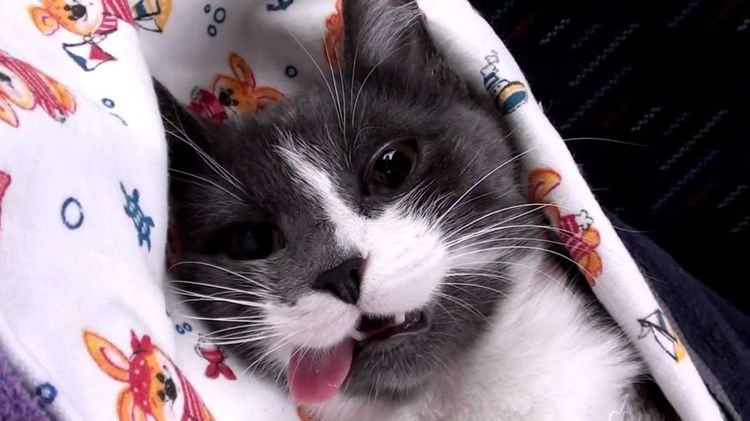
After the surgery, the cat should be left alone for a couple of hours. It's best if this time is spent under the doctor's supervision. Sometimes, awakening from anesthesia can negatively impact the condition of the animal undergoing surgery. The cat may experience:
- overexcitement;
- breathing problems;
- arrhythmia.
In particularly severe cases, the animal's heart may stop.
Doctors are aware of such cases and are ready to provide timely qualified assistance if problems arise.
Any questions? You can ask our website's staff veterinarian in the comments below, who will answer them as quickly as possible.
Read also:
- Cat neutering: how it happens and what to do before and after the surgery
- Food for neutered cats
- Sterilization of a cat





Add a comment