
How to properly transition a cat to dry food?
How to transition a cat to dry food? A healthy and well-fed pet is the dream of every owner of a luxurious feline. While illnesses are diagnosed and treated by an experienced veterinarian, choosing a diet for an adult cat with a fully developed eating culture and habits falls entirely on the owner.
Content
Natural or balanced food for adult cats?
Many cat owners choose dry cat and kitten food, but some persist in the misconception that raw meat, fish, and fresh dairy products are beneficial. Veterinarians, pet food manufacturers, and pet food specialists have long since dispelled myths about the benefits of natural foods for felines. Compared to meat, fish, and other processed foods, prepared pelleted foods offer numerous advantages:
- Balance – Dry cat food should contain proteins, fats, carbohydrates, digestible fiber, and a vitamin and mineral complex. It is best to purchase it from specialized online stores.
- Easy to dose in accordance with the age and weight of the animal;
- Ease of combination dry/wet food and traditional products;
- Exclusion of poisoning, which often occur when feeding meat/fish with a large amount of premixes;
- Possibility to choose a specialized diet: preventative and therapeutic dry food for cats of any age group.
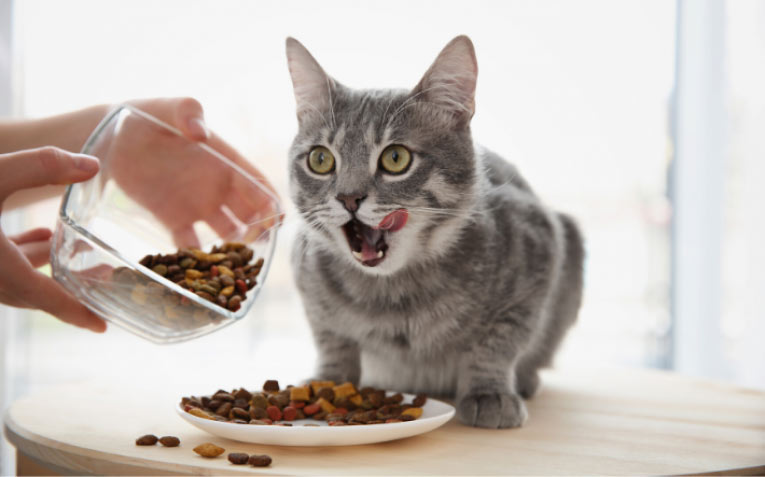
There are several lines of specialized pet food available on the market:
- kittens or older cats;
- prone to gaining excess weight;
- neutered cats;
- cats during pregnancy and lactation;
- pets with problems with the urinary system, etc.
Transferring adult cats to dry food
In this review, we will not compare the pros and cons of prepared foods, but will assume that you have decided to switch your pet to dry food.
It's important to choose the right food and train your pet to eat the food you've chosen (or your veterinarian has prescribed). While it's relatively easy to wean kittens to dry, nutritious foods, changing an adult's taste preferences will require a great deal of effort and patience. We recommend considering the following:
- Selecting quality products – it is important to initially buy high-quality dry cat food (Royal Canin, Purina, Pro Plan, IAMS, Hill`s);
- Don't give in to your pet's whiny pleas for their favorite treats. Once you've made your decision, stick to it to the end.
- A gradual transition from natural foods to a balanced diet takes at least 7-15 days to acclimate your baby to new textures and tastes—keep this in mind. Results won't always be immediate.
- Reduce the meat/fish portion daily and add dry cat food in an amount equivalent to a full single serving. And perhaps this is the most important rule of transition: gradually introduce the new dry food into your pet's regular food: first, the new dry food will make up 10% of the bowl's contents, the next day 15%, then 20%, and so on until successful.
Don't scold or stress your pet—this can only make things worse. We all know that cats are very stubborn creatures, and negotiating with them requires tact.
Cat care requires a responsible approach. Transitioning your pet to dry food is no exception. Therefore, I suggest you familiarize yourself with a step-by-step strategy describing how to properly transition your cat to dry food. We'll also discuss potential complications and the nuances of this new diet.
Translation instructions
Switching from wet food to dry food is quite easy. And if you follow the instructions below, the transition to dry food will go smoothly. The recommendations are as follows:
- You can switch cats to dry food, who have reached two months of ageUntil this time, they are technically unable to handle solid food due to their underdeveloped jaw system.
- Don't rush the transition. Experienced breeders have found that the optimal time for a cat to get used to a new type of food is from 10 to 15 days.
- Add the new food to the regular food in small portions every day, increasing the amount slightly. Continue this process until the dry food reaches 100%. You already know how many days this takes.
- Stop giving your pet the old food, even if your pet tries to make you feel sorry for him. Otherwise, you'll have to start all over again.
- One key to feeding solid food is to provide your pet with constant access to water. Your pet will now drink a lot.
Now you know how to properly transition your cat to dry food, but have you considered the new daily ration? Find out; this information is usually included on the packaging.
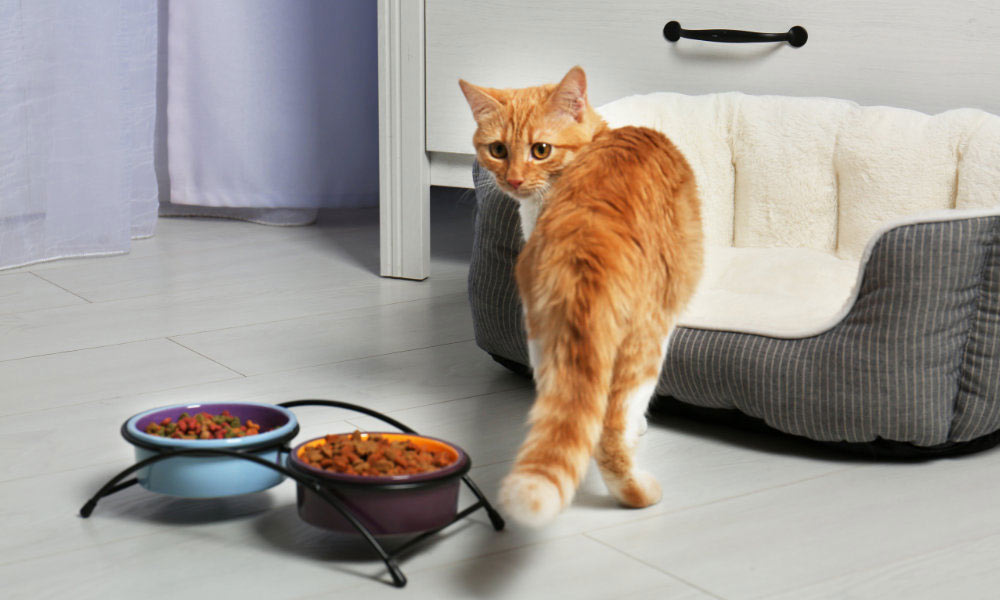
Once your pet has transitioned to dry food, forget about table scraps. This is usually liquid food. It's best to feed your cat the same food consistently, and choose the right product based on your pet's age.
Keep an eye on your cat. If time passes and your cat still eats little or reluctantly, it might be worth switching back. Note: You can still use the same instructions. Alternatively, try a different food.
Important! With a balanced diet of premium dry food, your pet does not need additional vitamins! However, it is still necessary to add special nutritional supplements to the diet to promote coat growth and strengthening, improve digestion, and eliminate hair. Veterinarians may also recommend special medications for cats to prevent urinary tract infections, so we strongly recommend discussing the transition to dry food with your veterinarian, especially if your pet has chronic health conditions.
How to transition a kitten to dry food
Dry food can be offered to kittens starting at approximately two months of age. Small pets require specialized food, as their rapidly growing body requires significantly more calories, vitamins, and micronutrients than an adult's.
You can begin transitioning your baby to dry food as early as 1.5 months, introducing a paste of soaked food into your baby's diet. Once your baby gets used to it, you can offer well-soaked pieces of food instead of the paste, and after 2 months, when your baby develops a craving for chewing, you can offer dry kibble.
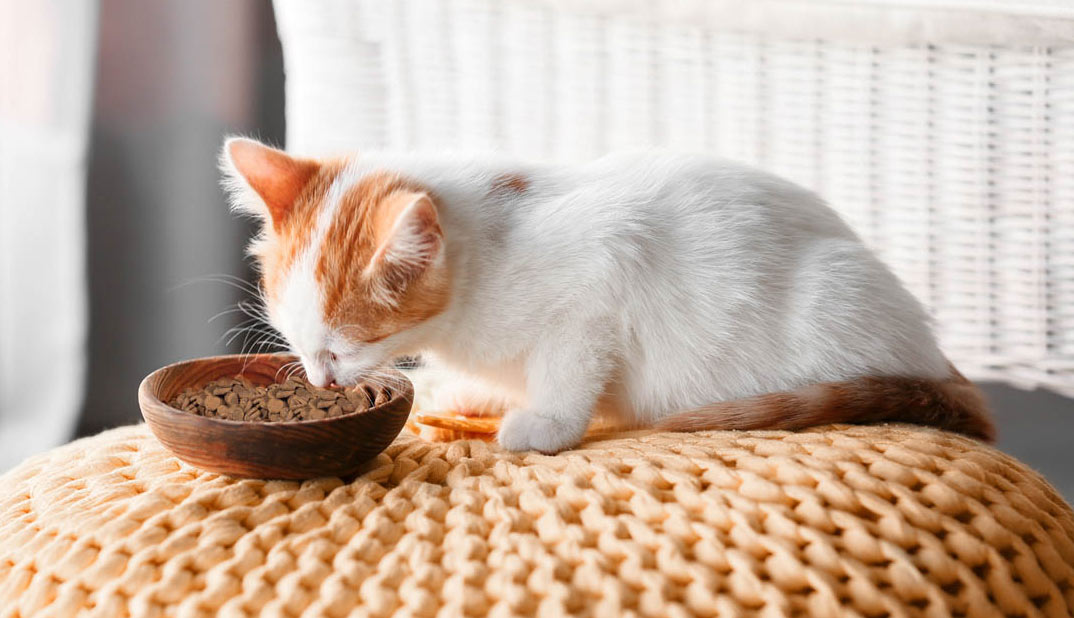
This nutritional paste recipe will be especially useful for those looking to transition a kitten from milk to food before it reaches 2 months of age.
Dry food pellets can be ground in a regular blender or coffee grinder. Next, measure out the powder by weight and add warm water until it reaches a soup-like consistency. Allow the mixture to sit for a while to allow the food to swell.
It is important to remember that for soaking feed it is forbidden use:
- boiling water;
- milk, sour cream, yogurt and other dairy products;
- meat or fish broth.
The calorie and fat content of the food corresponds to the animal’s needs and the characteristics of its gastrointestinal tract. By soaking food in anything other than water, you significantly increase the caloric content of the portion, which can negatively affect your pet's health.
Keep in mind that different brands of pet food soak differently. The more grain the pellets contain, the faster they soak. Pellets with a high meat content soak much slower, but they're more beneficial for your pet.
Important! Soaked food should not be stored for long periods of time, as the moist environment is ideal for bacteria to grow, and the attractive aroma present in dry kibble will simply evaporate.
How to transition a cat to dry food
Before changing your pet's diet to dry food, take a closer look at its habits and behavior.
- If you notice your cat drinking little water, don't rush into switching to dry food. This can cause urinary problems. After all, if your cat is drinking little water, it's likely they're making up the difference with liquid food. If you've finally decided to switch, add a small amount of water to the food during the initial dry food feeding (we'll discuss how to properly soak the food later).
- If your cat is neutered, you should choose dry food from a specialized line to help control weight and prevent obesity.
- It's not recommended to change a cat's diet before a show, as changing food can affect the animal's condition and appearance. Of course, these changes are temporary and are more related to stress and possible food refusal. Once completely switched to a high-quality diet, everything will return to normal, but the cat may not achieve the expected high scores, which is undesirable for owners.
How to transition a cat to dry food
Important! Veterinarians strongly recommend against changing a cat's diet shortly before a planned pregnancy, or during pregnancy or while nursing kittens.
During this time, it's crucial for your cat to receive the necessary nutrients in the right amounts. Not all cats enjoy dry food, so at the initial stage, the following may be necessary:
- periods of food refusal;
- allergic reactions to food components;
- acute gastrointestinal reactions.
For a healthy adult animal, these conditions do not pose a particular threat, but for a cat during pregnancy they are extremely undesirable.
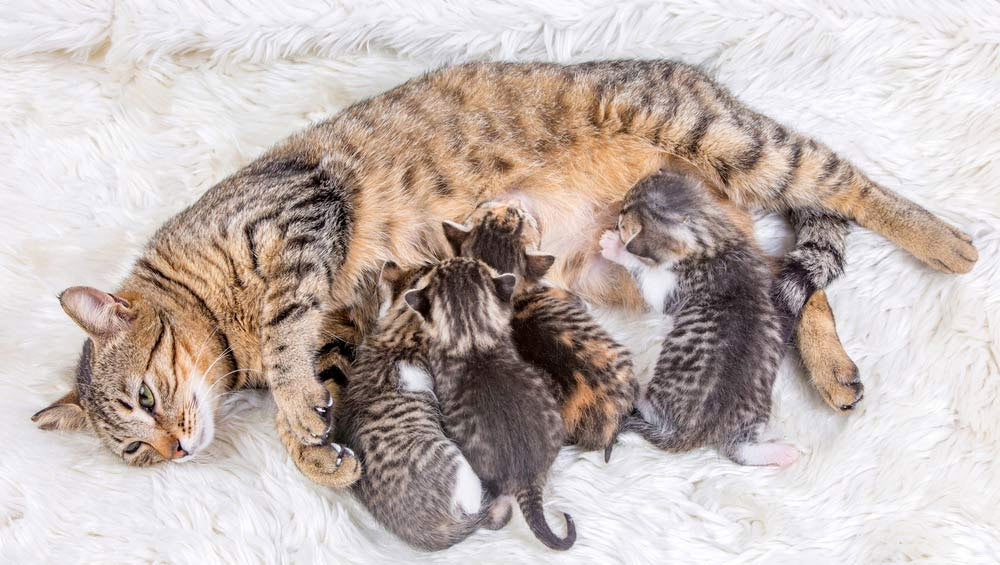
Otherwise, the recommendations for transitioning a cat to dry food are standard. The key is to choose the right time to change the daily diet so that the process doesn't impact the health of the expectant mother and her kittens.
Read also:
- Therapeutic food for cats with urolithiasis
- Hypoallergenic cat food
- How to increase a cat's appetite
Read also:


Add a comment