
How to transition a cat to a natural diet
If you decide to switch your cat to a natural diet, be patient. A pet accustomed to commercial food is unlikely to enthusiastically accept a switch to homemade food, which lacks the usual flavors and additives. However, there are several effective methods that can help completely change your cat's diet in a period ranging from 3 days to 4 months.
Content
Reasons for switching to natural food
Despite the abundance of food in pet stores, owners are increasingly opting to switch their furry pets to natural foods. One reason for this switch is the belief that dry food doesn't contain enough meat or fish ingredients, or lacks the nutrients a cat needs.
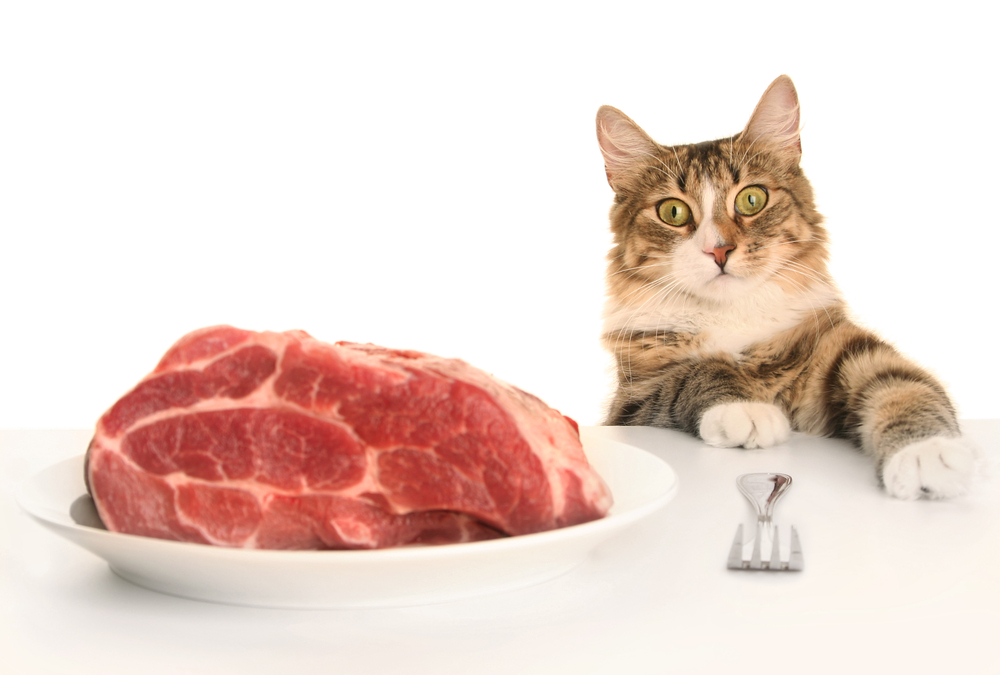
In fact, premium dry and wet foods contain a complex of mineral and organic components that satisfy all a cat's needs. The cost of such products is prohibitively high, and not every family can afford to feed their pet dry food or pouches containing approximately 80% meat and fish.
Manufacturers of budget-friendly products often fail to comply with technical regulations. Economy-class pet food contains additives that trigger allergies and gastrointestinal problems in cats. Therefore, switching to a natural diet is often necessary when the animal regularly exhibits the following symptoms:
- problems with bowel movements - diarrhea, constipation;
- frequent vomiting - with bile, with streaks of blood;
- bald spots - with baldness outside of the seasonal shedding.
Opponents of even high-quality commercial pet foods claim that their consumption leads to the development of gastrointestinal pathologies, kidney stones, obesity, and diabetes. This situation is caused by high carbohydrate content, the use of aromatic and flavor additives, and reduced water intake.
To prevent serious illnesses, it is recommended to permanently or temporarily switch your pet to a diet native to its species. Alternating natural and commercial diets can be done every three months. More frequent diet changes will also lead to undesirable consequences.
How can you retrain a cat?
It's wonderful when a kitten is accustomed to eating only natural food from its first days in the home. Transitioning an adult cat to a natural diet is much more difficult. There are four methods for transitioning from commercial food to natural food:
- a radical method in which they strictly refuse dry granules;
- gradual replacement of industrial feed with home-made products;
- wet - involves a gradual transition to pouches and canned food, and then to natural food.
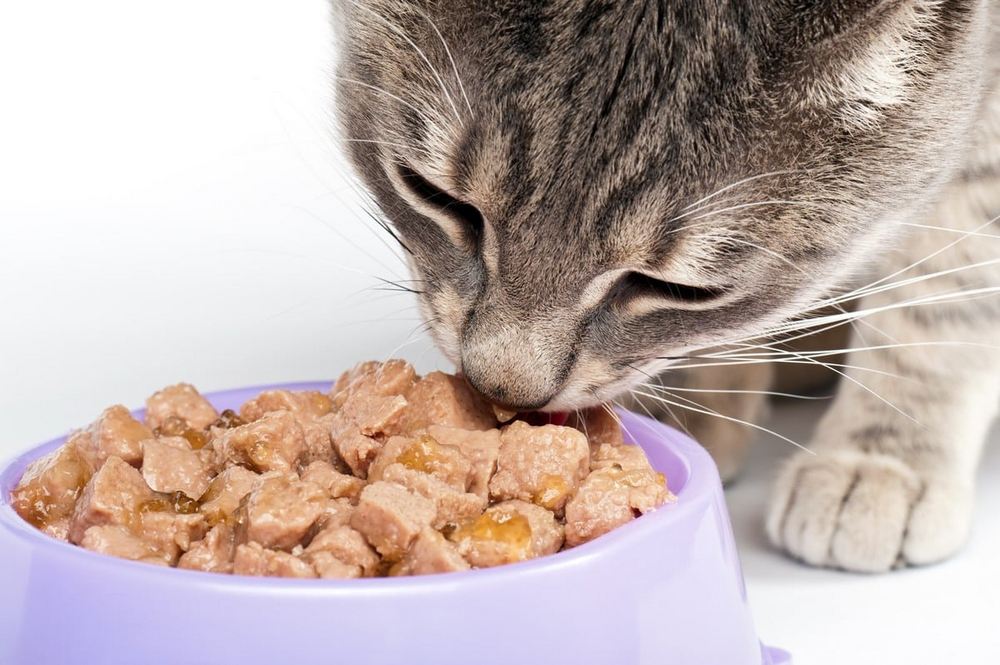
Regardless of the method, the animal will not quickly adapt to the change in diet. The absence of its usual food can trigger a cat "kick." The pet will refuse food, scream, and demand its usual portion of kibble. Therefore, the owner will need to exercise maximum patience.
It's not advisable to go to extremes. If your cat hasn't eaten for several days or has started losing weight rapidly, it's best to stop the experiment. The dependence on flavorings and additives is too strong, and without them, the body experiences stress, which can also lead to negative consequences. You can try motivating your pet by slightly warming the food to enhance its aroma.
Radical transition
It is important to adhere to the basic principles of how to properly feed an animal when abruptly discontinuing commercial feed:
- For 2-3 days, a mixture of natural and industrial ingredients is offered. The portion should contain significantly more fresh meat and offal; the aromatic granules are only there to attract attention.
- After 3 days, dry food should be removed from the house - the pet should not smell the usual smell.
- A sudden change can worsen gastrointestinal function, so vitamin and mineral complexes are added to food to promote good digestion.
- Your cat must have access to fresh water. The water in the bowl should be changed once or twice a day.
Full adaptation to the new diet occurs within 3-14 days. This method is only suitable for cats over one year old. Kittens' gastrointestinal tracts are not fully developed, and a sudden change in diet can cause health problems. Also, this radical method is not recommended for changing the diet of nervous animals, as it can cause additional stress.
Gradual translation
Slowly replacing ingredients is gentle on the digestive tract, so it's used more often. Two methods can be used: gentle and combined.
How to transition your pet to a natural diet in a friendly manner:
- Use two bowls: put pretzels in one, and homemade food in the other – porridge with meat, offal, and fish.
- Gradually reduce the amount of pellets. The cat doesn't get full from the usual food and begins to pay more attention to the second bowl.
- Vitamins are used to maintain the balance of nutrients.
The habit of a new diet develops within 14-21 days.
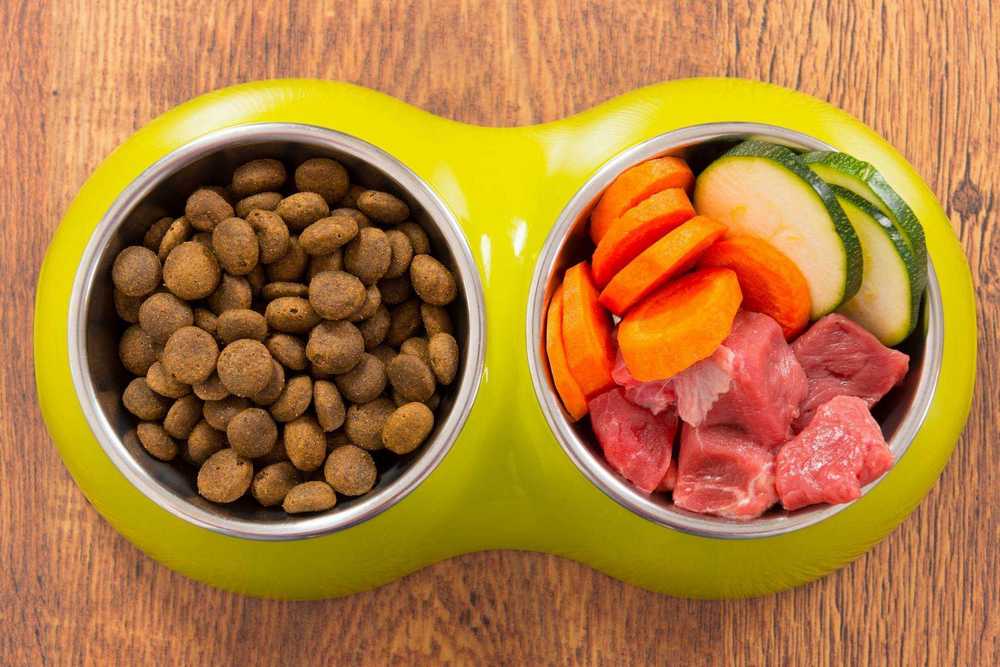
Transition using a combined method:
- Both bowls are filled with drying material.
- Water is added to one, making the consistency soft. In the second, the volume of food is gradually reduced.
- As your baby gets used to wet food, instead of dry food, put homemade food in the second bowl and begin to reduce the volume in the first.
- At the initial stage, you can beat homemade food with a blender, achieving a uniform consistency.
The adaptation period is 30-35 days.
Wet method
The most gentle method for a cat's health involves replacing dry food with canned food and pouches, gradually transitioning to a homemade diet. The transition is considered easier because commercial wet food contains the additives and flavors your pet is accustomed to. Here's how to make the transition:
- Over the course of 2-3 weeks, the dry food is gradually replaced by canned food and pouches. The animal usually doesn't protest and happily eats the wet food.
- Gradually add grains, vegetables, and meat to the bowl. Your pet should get used to the new smell.
- Once a habit develops, begin to increase the amount of natural ingredients. They are not mixed with the canned food; they are placed on the edge of the bowl.
A complete transition to home-cooked meals will occur within 90-120 days.
Optimal composition of natural food
Easily digestible foods are used for feeding. These include:
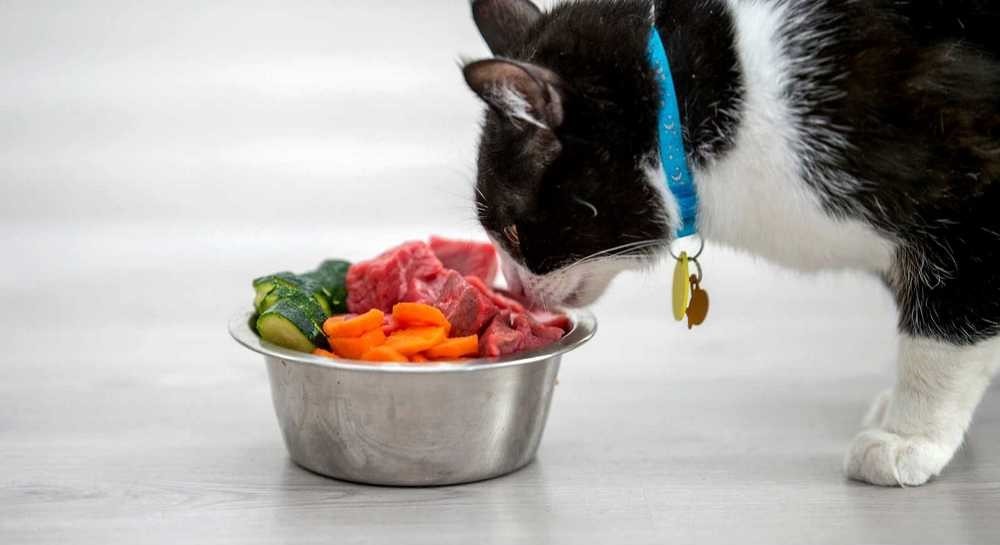
- Chicken, turkey, veal, or beef. Liver and chicken hearts, which contain taurine, are beneficial, as are chicken necks, which contain abundant cartilage. It's best to cut the meat into small cubes to ensure proper chewing; organ meats and necks can be minced. Meat should make up 70-80% of a cat's natural diet.
- To improve bowel function, add raw or steamed vegetables to your diet - pumpkin, carrots, zucchini, broccoli, cucumbers.
- Approximately 10% of the total mass should be cereals - oats, buckwheat, rice.
It is strictly forbidden to introduce into the diet:
- costal and tubular bones that can injure the gastrointestinal tract;
- river fish - the cat may choke on small bones;
- legumes, white cabbage - promote fermentation in the intestines;
- fatty meats and lard increase the load on the liver;
- Mushrooms, corn, semolina, pearl barley, potatoes, and millet are difficult to digest, have no nutritional value for cats, and can cause vomiting.
- garlic, onions - are toxic.
Fish, if deboned, can be fed. However, to prevent the risk of helminthiasis, you should treat yourself and your pets with deworming medication every six months.
Reviews
Oksana P
I decided to switch my beloved British shorthair to a natural diet due to obesity. The vet warned him that he was at increased risk for diabetes, so I had to adjust his diet, replacing his dry food with boiled turkey. Now he's slimmed down and become more active—he prefers running around the house to lying on the couch.
Konstantin R
My furry friend was diagnosed with urolithiasis. The doctor said one of the causes was high salt intake from commercial cat food. I didn't believe it and tried it myself – nothing but salt. Don't repeat my mistakes; introduce kittens to natural food from puppyhood.
Natalia S
I'm a Siberian breeder, so I know how beneficial natural nutrition is. I start adding ground meat to my kittens' diets even before they're weaned. I also make my own dried meat, rolling the ground meat into small balls and drying them in the oven. All the kittens are healthy and happy.
Read also:


Add a comment