
How to stop a dog from pulling on a leash during a walk
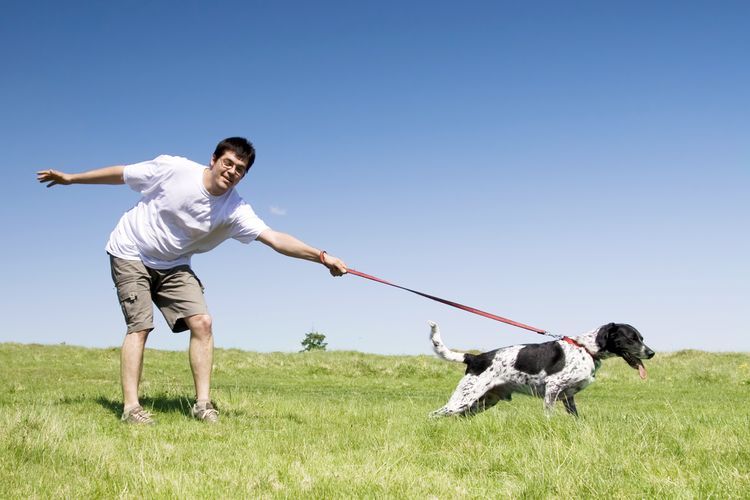
A common occurrence in dog walking areas is a dog tugging on its leash with all its might, panting and coughing, as its owner struggles to keep up, barely moving its legs and risking falling. To limit its pet's speed, the owner is forced to yank the leash attached to its collar.
As a result, a walk becomes not a pleasure, but a test of physical strength and nerves for the person, and stress and discomfort for the animal. Too much leash tension can injure the dog's cervical spine and lead to mental health problems. It's wrong to attribute this behavior solely to the pet's activity—more often than not, it's a consequence of the owner not training the dog to walk calmly on a leash.
Content
Reasons for a taut leash
One well-known and entirely natural reason is the pet's young age. The puppy is eager to explore the world and explore new territories. The leash is seen as an obstacle and resists, pulling on it.
Sometimes a dog needs to release the energy pent up during a long stay indoors. They may tug furiously on the leash during the first few minutes of a walk, but then calm down and behave quite well. In these cases, no training is necessary; you can simply try to walk your active pet more often.
It's not uncommon for a clever and cunning animal to manipulate a person: knowing that the owner will certainly follow him because he is "tied" to the other end of the leash, the dog runs wherever he wants, darting in all directions, climbing into bushes and puddles.
One common cause of "tight leash" is overexcitement. A dog in this state will thrash around restlessly, bark, and try to pull its owner along. Even a small dog can sometimes display incredible strength. Overexcitement can be triggered by the excitement of a long-awaited walk, or by panic caused by loud noises or bright lights. Many dogs are afraid of fireworks, car and train horns, and low-flying airplanes.
Another factor that influences a dog's behavior on walks is the "taut walk" habit. If an owner, upon acquiring a puppy, considers a tight leash the only way to restrain its activity, the animal will inevitably develop a reflex: if you want to move, you have to pull with all your might. While breaking a puppy of leash pulling is easy, breaking an adult dog of a habit ingrained in him from puppyhood is much more difficult.
Some dog owners use retractable leashes for walking. They're called "lazy leashes": the dog walks while the owner stands still. However, these trendy devices have a major drawback: they create the wrong behavioral incentives for the dog. By pulling on the leash, the dog gets where it wants to go, and very soon becomes accustomed to the constant pressure of the collar, perceiving it as normal.
What to avoid
The most common mistake is tugging on the leash in the hopes that the dog will understand what you want. Such jerks only confuse the pet, cause fear, and can lead to injury, especially if the collar is thin.
Yelling and irritation are also ineffective. Animals sense their owners' emotions but don't understand words unless they've been trained to follow specific commands. Your frustration adds stress to your pet but doesn't help them understand how to behave appropriately.
How to fix the problem
It's recommended to start training your dog to walk on a leash at 3-4 months of age. Dog trainers recommend following these guidelines when training:
- If a dog is very excited in anticipation of a walk and, at the sight of a leash with a carabiner in the owner's hands, falls into a state of wild delight, jumping, and rushing towards the door, it is better to wait until the animal calms down and can adequately respond to the situation.
- The owner should be the first to leave and enter the room. A pet that rushes forward should be restrained by tugging on the leash.
- To facilitate training, it is recommended to fix the leash in two positions: at maximum length, for walking, and at minimum length, for holding the dog at your leg.
- If your dog starts pulling hard on the leash during a walk, stop it with a command or signal, and after a short pause, continue walking. Alternatively, change direction abruptly, forcing the dog to follow its owner and preventing it from lunging forward.
- Dogs are very good at sensing people's general moods. If their owner is relaxed during a walk, their gait is leisurely and measured, the dog will likely behave calmly, without tension or hyperactivity.
- If your pet isn't getting used to walking on a leash quickly, or for some reason breaks the rules already learned, you can temporarily stop the walk, but scolding, much less punishing, your pet is strictly prohibited. To avoid punishment, the dog may try to run away from the angry owner, pulling even harder on the leash.
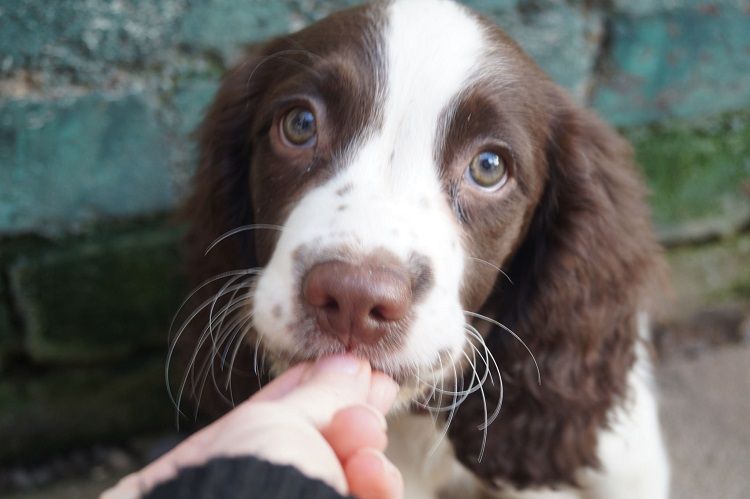
- Correct behavior during a walk should be motivated by praise and treats.
Tips on how to teach a dog to walk without pulling on a leash aren't a panacea; every animal has its own personality, and the factors influencing its behavior can vary. If problems arise during training that the owner can't resolve on their own, they can consult with trainers; they can help sort out the situation and find a personalized approach to their dog.
When should you contact a dog trainer?
If you've tried various methods but there's no progress, or your dog's behavior is alarming—growling, struggling, barking at other dogs or people—it's time to consult a professional.
An experienced dog trainer works using positive reinforcement, without pain or violence. To avoid unnecessary stress for your pet, carefully read reviews, watch training videos, or ask the trainer to demonstrate the training process.
Remember: correcting the mistakes of an incompetent trainer is more difficult and expensive than immediately finding a good dog trainer who your dog will like and will train it calmly and safely.
Read also:


1 comment
Julia
The key is calm and patience, which means don't rush or go outside, even if your dog is calmly waiting for a walk. First, try walking your dog around the house to avoid tugging on the leash. Walk around furniture and rooms, observing their behavior. If they start following you, head for the door.
Add a comment