
How to stop a dog from picking up anything on the street
Many novice dog owners wonder how to quickly and effectively stop their dog from picking up things on the street. Today, we'll take a detailed look at how to teach no-no commands to a young puppy or an adult pet who hasn't previously undergone basic training. We'll also learn the advice of experienced dog trainers and why not all dogs readily comply with no-no commands.
Content
Age at which classes begin
Experienced dog owners know that you shouldn't wait until your puppy is an adult to begin practicing negative commands. Otherwise, instead of introducing your puppy to the existing restrictions, you'll be left trying to break a dog that's already firmly ingrained this bad habit of picking up all sorts of nasty things from the street.
Important! Teaching your puppy not to pick up food and other nasty things from the floor begins as soon as he or she arrives home. The first training sessions can begin as early as 1.5 months, even before you begin potty training your puppy.
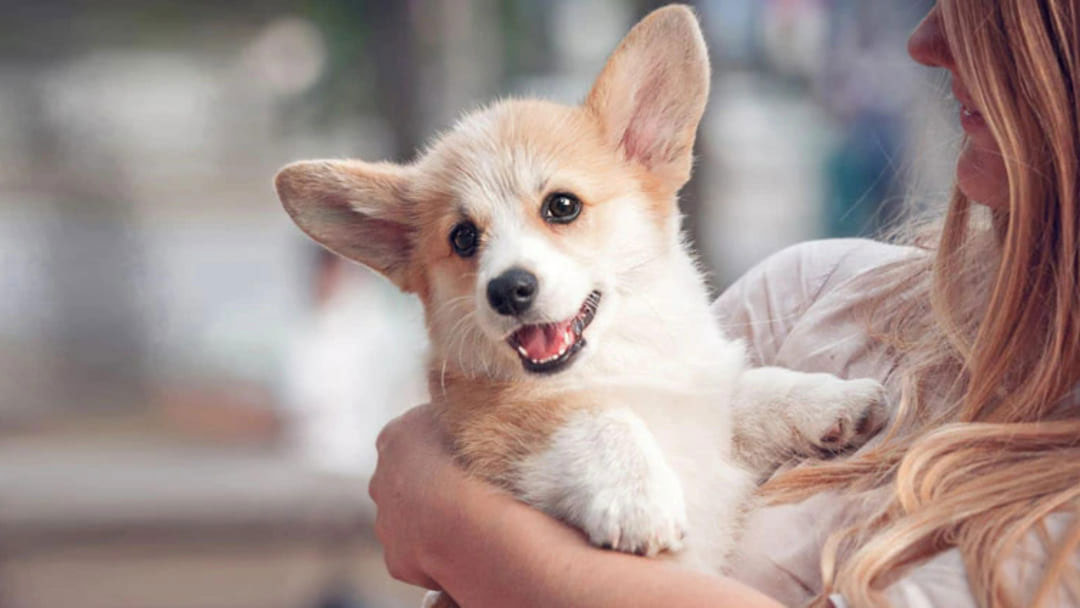
You can train an adult pet not to pick up things from the ground outside, but in this case, you need to be patient, because breaking an already formed negative habit is much more difficult than initially teaching a dog certain rules.
Universal learning algorithm
There's a universal algorithm for training a puppy to stop picking up things outside, which consists of simple and straightforward steps:
- Introduction of the prohibiting command "Fu".
- Prohibition of begging for food.
- It is prohibited to pick up food from the floor.
- Reinforcing the skill outside the home.
- Obedience training without a leash.
Stage No. 1 – team “Fu”
"No" is a basic no-no command that's best practiced at home from the first few months of a dog's life. It strictly prohibits a specific action and is helpful in many situations.
We have already told you in detail, How to teach a dog the commands "No" and "No".
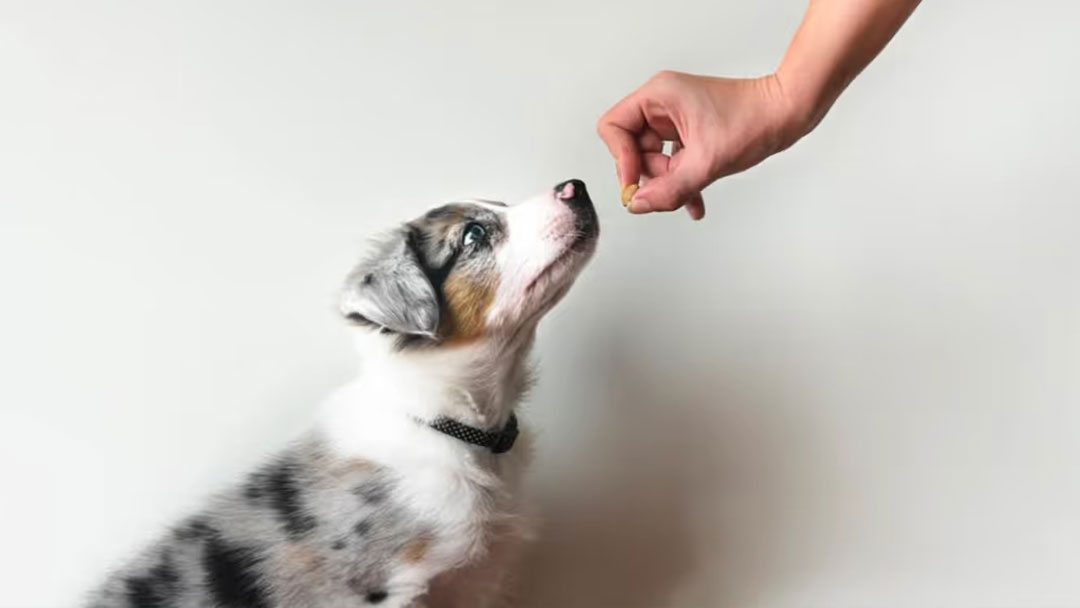
Tips for new dog owners:
- The command must be given clearly, loudly and sharply.
- The intonation of the prohibiting command must be strict.
- Never allow your dog to do anything that is prohibited or to take objects that are used to practice the “No” command.
- Don't repeat the prohibition too many times in a row.
- Always ensure that the command is carried out.
Important! Prohibitions are an important part of training, but they're not the only part. Remember to show your dog not only what's forbidden, but also what's allowed and appropriate—playing, interacting with its owner, interacting with other animals, etc.
Stage 2 – Ban on begging
For training, choose a product whose scent will definitely attract the puppy's attention. It's not recommended to use the dog's everyday food or treats you give as a reward during training.
If you show a dog food clutched in your fist, it will likely begin to vigorously lick or even bite your hand, trying to get the desired treat. This process is called "begging" (the dog demands that you give it something that smells so tempting).
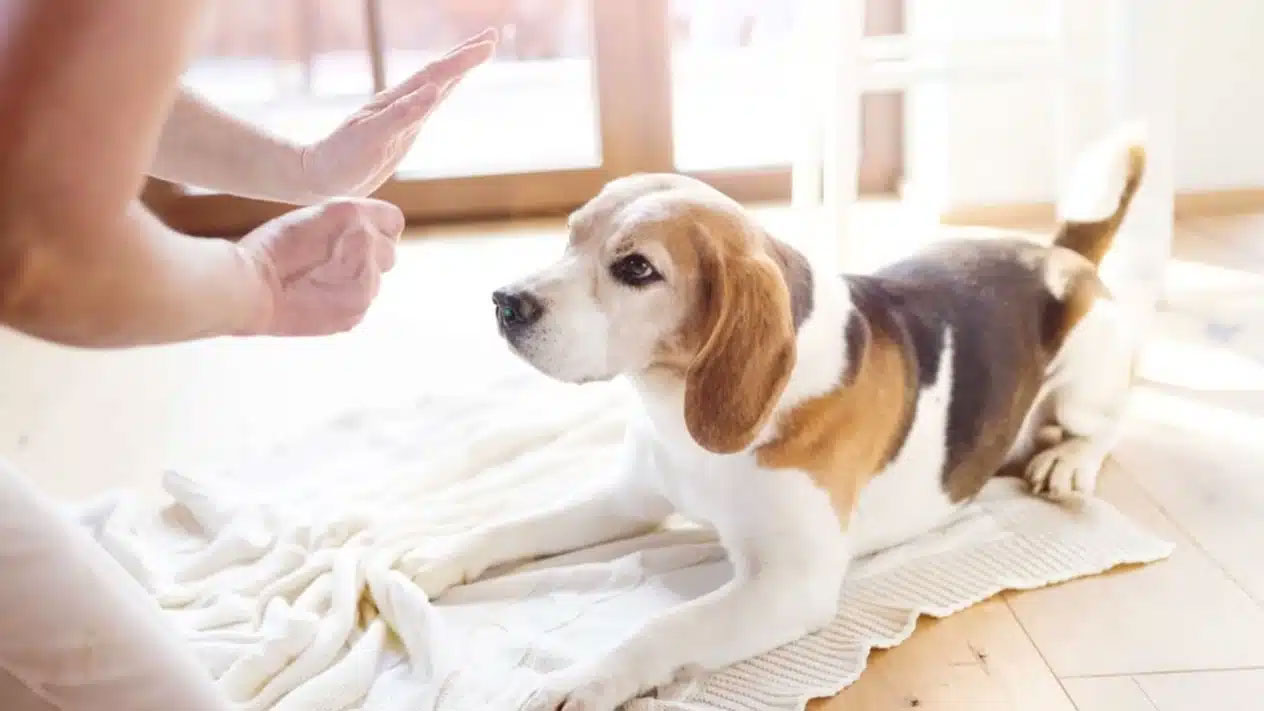
When your dog shows interest in the food, stop it by giving a no-no command. If necessary, repeat the command after a short pause, using a more assertive tone, ensuring your dog refuses to demand what it wants.
Please note! This command is given proactively, when the puppy has just shown interest and is reaching for your hand, not after it is already trying to take the food.
Practice refusing on command several times daily, but never let your pet eat what is in your hand (you don’t even have to show what is there; the smell is enough for the dog).
The skill can be considered reinforced when the dog quickly refuses to beg when a prohibition is voiced.
Tips for new dog owners:
- A mandatory condition is that the dog refuses to try to get the food.
- For an independent refusal, you can praise the puppy, but do not reward him with a treat.
- If the dog is excited and does not respond to the command, simply raise your hand higher to make it more difficult to reach.
Stage #3 – No lifting from the floor
Quite often, when asked how to stop a dog from picking up things outside, you'll hear the recommendation to use a muzzle. But in reality, a muzzle doesn't solve the problem; it merely masks it, as the moment a dog goes outside without one, it will immediately start picking up everything in sight (including poop and other nasty things).
That's why it's important to teach your puppy not to pick up anything from the ground. To break this bad habit and reinforce good behavior, it's also important to remember that there are a number of rules that owners should always follow:
- Give your dog food only in a bowl that is above floor level.
- Do not feed your dog by throwing anything on the floor.
- Don't let your dog pick up food that has fallen on the floor at home.
- Do not allow friends and acquaintances to feed your dog by offering it anything from the floor.
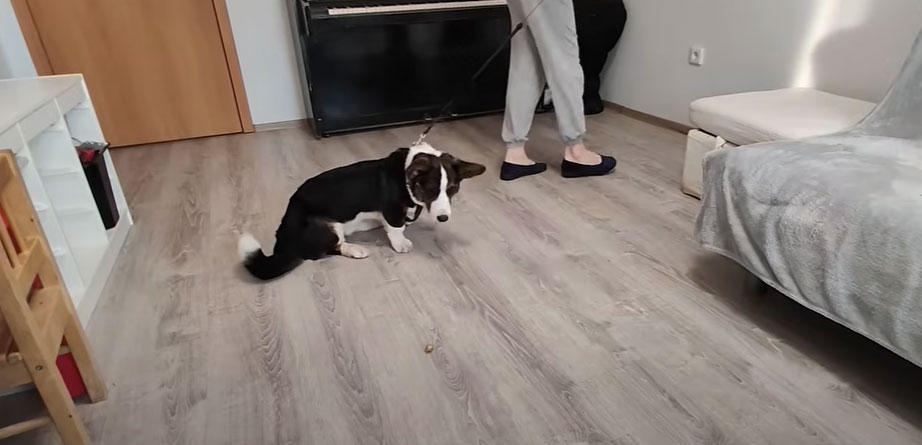
Training for the prohibition begins in a comfortable home environment, when the dog already knows how to walk on a leash and refuses food held in your hand.
To conduct training, place a tempting-smelling piece of food on the floor and lead your dog past it. The urge to sniff or eat the scent is a natural reaction for any animal. Your task is to issue the no-go command as soon as your pet shows interest in the food on the floor and jerk the leash, preventing your dog from picking it up.
At the moment, we prohibit not only picking up food, but also sniffing it or even looking at it for a long time, because an untrained puppy cannot resist if it gets too close to the desired piece.
Step 4 – Training your pet outside the home
You should move on to this stage only after the dog has learned to refuse food on the floor in the house on command.
You can ask your partner to scatter small pieces of food along your walk route, creating these “baits” in different areas of the walk each time.
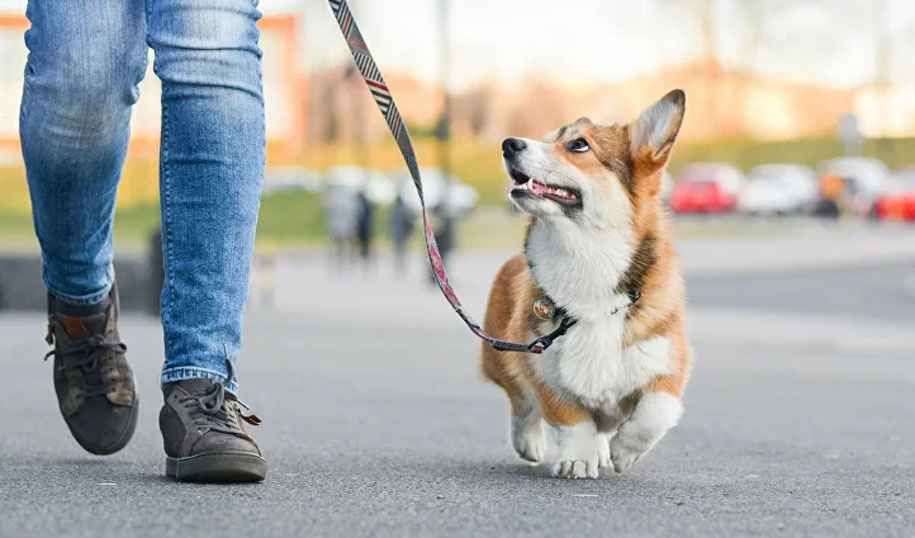
Important! If the dog refuses to obey a command outside, return to the previous step and practice it better indoors.
Tips for new dog owners:
- Don't rush past the food with your dog, but rather stop and make sure your dog refuses to try to take the piece.
- Do not cover the bait with your hand or block the dog from what you want.
- Do not allow your dog to reach for the mark on a taut leash.
Stage #5 – off-leash obedience training
This is perhaps the most difficult stage for any dog, so it should only be moved on to after months of successful leash training at home and outside.
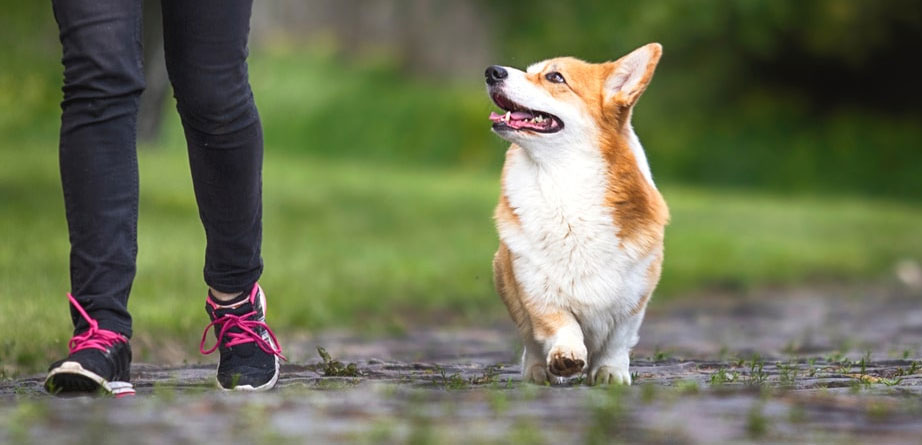
At the first stage, you can use a muzzle, but ideally you should achieve a voluntary, conscious refusal of the dog from the object of interest when giving a no-knock command.
Advice from a dog trainer
For more information on how to stop your dog from picking up things on the street, watch this video tutorial from an experienced dog trainer:
Read also:
- How to stop a dog from chewing things in the house
- How to teach a dog the "Heel" command
- How to train a husky at home


Add a comment