
How to stop a dog from biting
Many pet owners struggle with the question of how to stop their dog from biting. The causes of viciousness or aggression can be traced to genetic predisposition or lack of training. While puppy bites may not yet cause serious harm, adult bites can easily cause serious injury. Teeth and claws are natural gifts, so measures should be taken in accordance with nature's laws.
Content
Why does a dog bite?
To understand why a dog has started biting, it's important to analyze many factors, as animals of different ages may have multiple reasons for "using their teeth." Experienced dog trainers say it's important for anyone wondering how to stop a dog from biting to understand the underlying causes.
Puppies
The problem of painful biting is especially pronounced in puppies that are given to new owners too early. Between 1 and 3 months of age, a crucial stage occurs for a dog. stage of socializationIt's during this time that a puppy should play with its peers, understand the force of a bite, and simultaneously experience the teeth of its siblings, as well as receive instruction from its mother. This stage lays an important foundation for the formation of a pack hierarchy and the dog's subsequent development. This is why puppies at an early age have a need to play and bite.
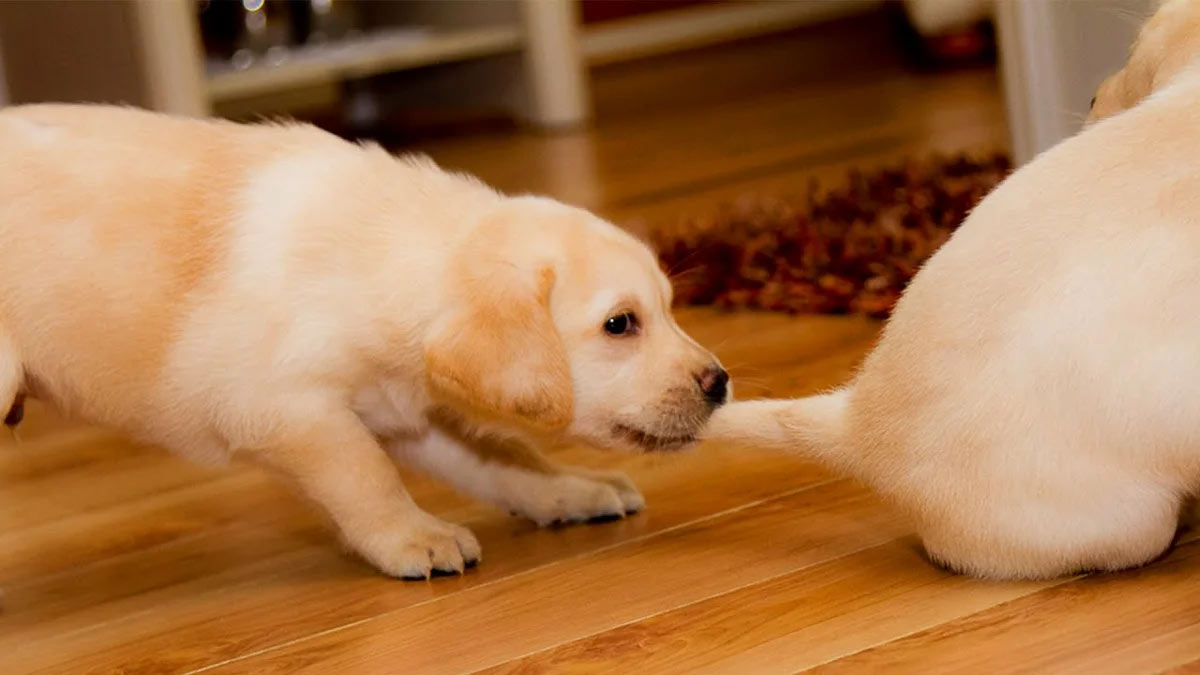
Changing teeth – another reason for a dog to bite everything in its mouth. It's simply a pleasure for a puppy to chew and nip at something. Chewing on hands is not allowed, but what is allowed? Make sure you have plenty of chewing toys in the house and make sure your dog understands their purpose.
The second stage that puppies go through is the onset of puberty, when nature triggers need for dominanceFor a puppy, the family is its pack, and in an attempt to gain the most advantageous position within it, the puppy may attempt to dominate those it initially perceives as weaker. Children are most often the ones at risk.
Adult dogs
For an adult dog, biting is primarily a way to protect itself and demonstrate disagreement with the behavior of a person or another animal. A dog may bite:
- defending his territory (if, due to omissions in training, the owner’s bed has become such, then he may defend it too);
- trying to avoid unpleasant or painful procedures such as combing, bathing, hair cutting, injections, etc.;
- preventatively, if a child has hurt an animal once, the dog may bite him when approaching;
- showing dominance;
- in response to aggressive actions on the part of a person;
- from fear (even if a non-aggressive dog is driven into a corner, it will try to defend itself);
- succumbing to instinct (breeds with strong hunting instincts may react to a running cat or child by engaging in hunting).
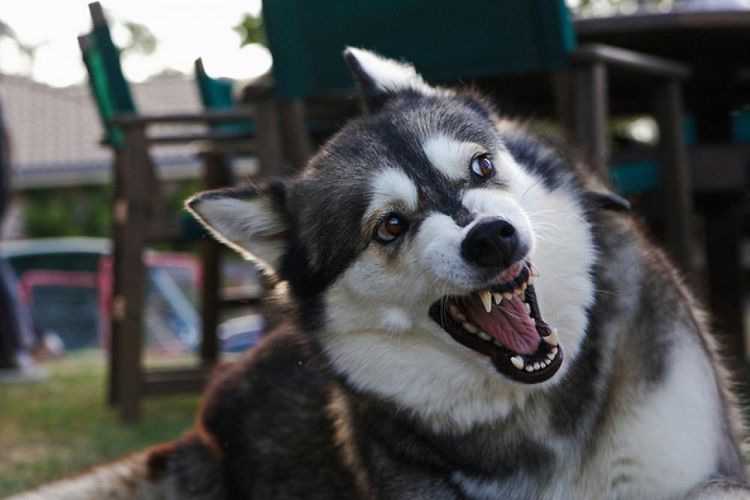
Therefore, before reading about how to stop a puppy or adult dog from biting, it's important to understand what caused the situation, as well as how often and under what circumstances the dog's unwanted behavior occurs.
How to stop a dog from biting from an early age
Up until 4.5 months, when the puppy's baby teeth have started to grow, this is fairly easy to do. If your puppy bites you during play, don't spank or scold them. The best thing to do is yelp in an unpleasant voice and move away. After a few such incidents, the puppy will understand that it hurt you, so the playtime ends. Next time, it won't bite, or at least won't bite as hard.
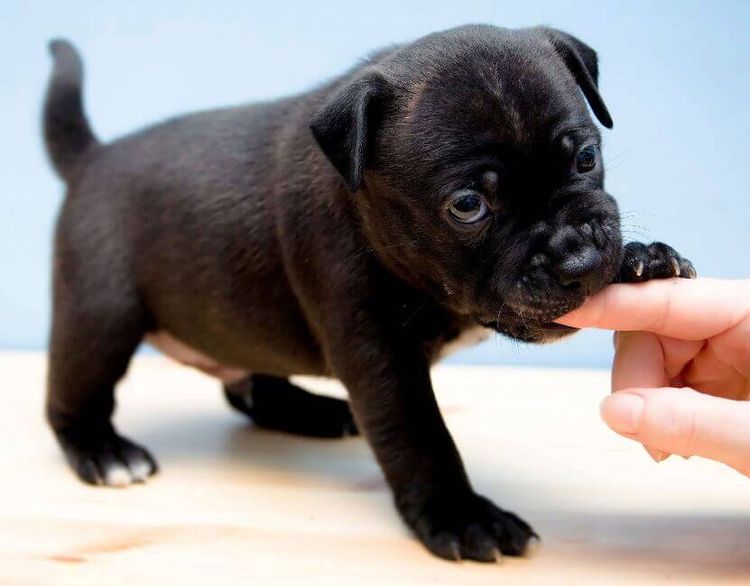
After the puppy's teeth change to permanent ones, its bite takes on a different character. Biting is a sign of dominance, an attempt to demonstrate its dominant position in the pack. The pet must be put in its place immediately. To do this, firmly grasp the puppy by the scruff, pin it to the floor, and, looking it in the eyes, utter the command "no" or "no" in a stern voice. Then release it and pretend not to notice the puppy for 15-20 minutes, ignoring its presence. This behavior is natural for the pack leader. Loud shouting and waving a hand only stimulates morale. This method is also used when trying to stop an adult dog from biting. Don't expect to achieve the desired result the first time. An intelligent dog will understand what is required within two or three attempts. For others, it may take much longer.
If a dog bites while playing
When asked how to stop a dog from biting during play, dog trainers offer the following advice. If a puppy bites hard during play, you should:
- interrupt the game;
- let him know that his owner is not pleased with his actions (speak calmly, but with a displeased tone, let him smell his hand at the site of the bite);
- stop further activity with commands if the dog is already learning them;
- shift attention from the game that provoked the bite to another activity, preferably with commands already learned.
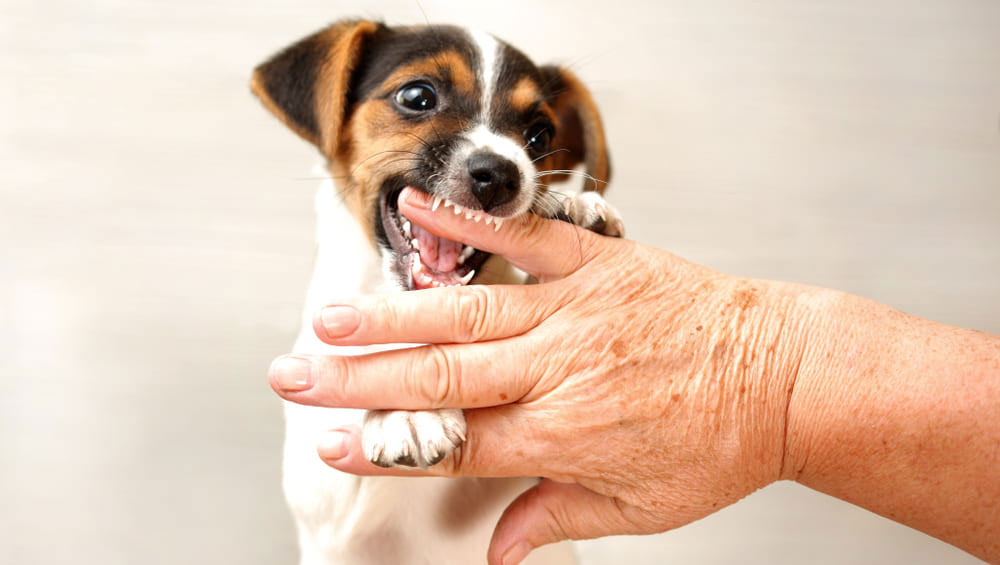
What you absolutely must not do if you're looking for ways to stop a small puppy from biting:
- show that you are afraid (for example, the child runs away from the dog, squeals, or expresses fear in other ways);
- stop the actions that provoked the biting (for example, bathing or scratching);
- use physical force (push, hit the dog).
Such actions only increase the dog's desire to bite. If the animal doesn't perceive the owner as the pack leader, more serious training will be required to address this gap in training. Until the pet understands that the owner is in charge, it will continue to attack both during and outside of play. Then, it will be necessary to seek the help of an experienced dog trainer.
How to stop a dog from biting strangers
Raising a pet is a responsible task. Injury to another animal or person by a dog can result in administrative penalties. The following recommendations will help reduce aggression and ensure the safety of others:
- It's important to acclimate your pet to the world around them from an early age. They should feel like full members of society, with all the requirements and rules of conduct that entails.
- Wearing a muzzle is mandatory when taking your dog out into public.
- You must not let your pet off the leash, even if you are sure there are no people nearby.
- For restrained behavior when seeing a stranger, you need to praise the dog by stroking it affectionately.
- Aggression should not be encouraged. Any outburst of anger should be immediately suppressed by redirecting the pet's attention.
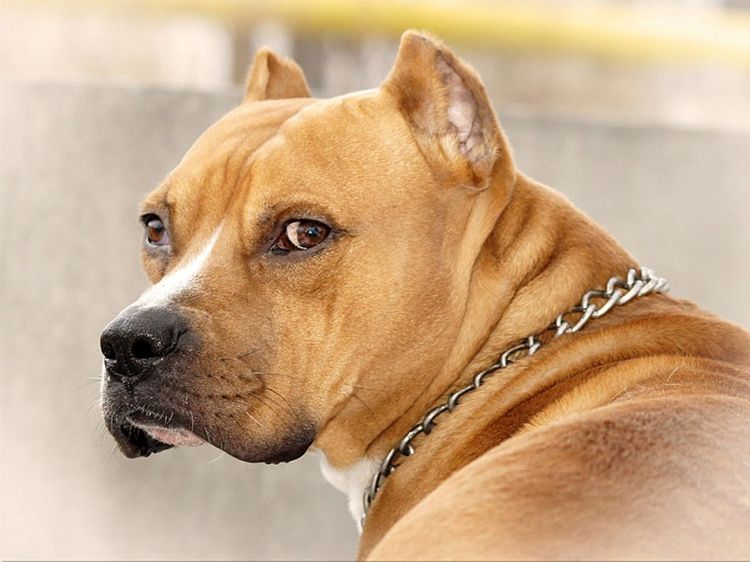
Behavior training begins from the first days a puppy arrives home. Owners facing difficulties training their pet are advised to consult an experienced dog trainer.
Training
To avoid having to worry about how to stop a Yorkie, dachshund, mastiff, or husky from biting, start training your dog from an early age. The point of training isn't to break a behavior, but to develop obedience skills and ensure the dog follows the owner's instructions.
If the puppy has learned the commands "no," "place," and "sit" well, this knowledge will help stop him when he is playing too actively or stop unwanted behavior.
If the target of the attack is a child, they should be the one training the dog. An experienced trainer will help establish the correct hierarchy, emphasizing the child's dominant position. If the dog learns to obey its young owner's commands and obey their will, the problematic aspects of their relationship will be significantly reduced.
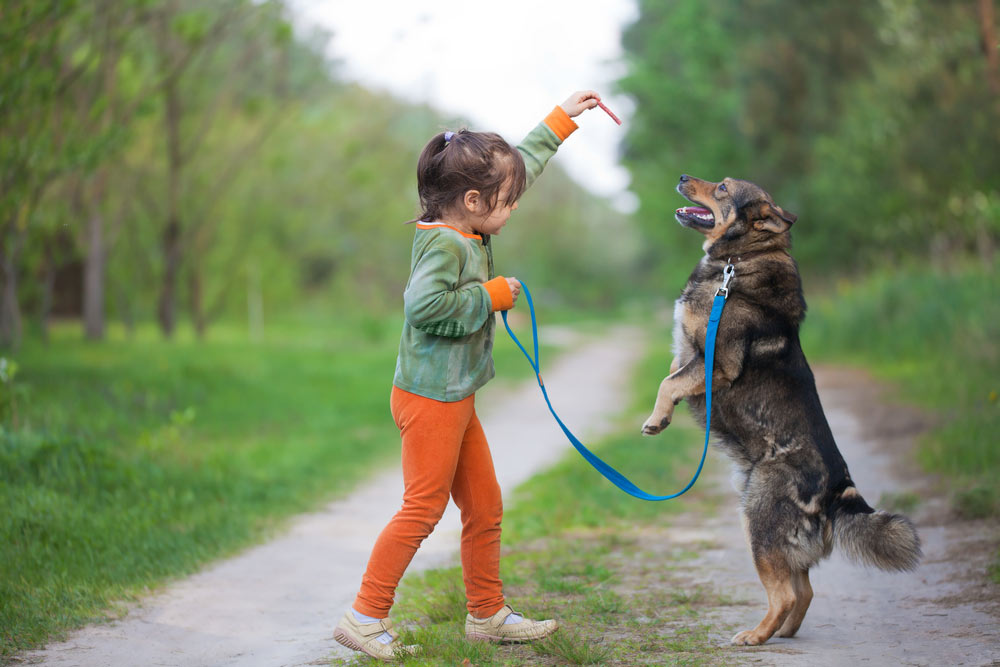
We teach you to bite correctly
The owner of a guard dog breed, whose desire to protect property is genetically ingrained, should ensure their pet undergoes a guard dog training course.
A trained dog knows how to properly utilize its potential, knows that it can only grab prey on command and release on the "no" command. This will help avoid unforeseen situations, like the well-known cases of dogs injuring people.
Advice from dog handlers
Also watch a video in which breeders and dog trainers explain how to stop a dog from biting:
Read also:
- How to stop a dog from barking
- How to teach a dog the "Speak" command
- General dog training course without a trainer


Add a comment