
How to stop a dog from chewing things in the house
When you dream of getting a dog, you imagine spending time with a loving, active companion, going on walks together, or simply curling up on the couch watching TV. But what if your pet's behavior isn't quite what you expected? Today, we'll discuss what to do if your puppy starts chewing everything within reach, and how to stop your dog from chewing if the behavior has become ingrained.
Content
Why do dogs start chewing things?
Many dog owners are familiar with the problem of damaging things. Any breed can ruin shoes, other items, or chew furniture, so the likelihood of encountering unwanted behavior is roughly the same whether you have a Yorkshire Terrier or a Labrador. Naturally, the extent of damage a larger breed can cause to your home in a given period of time (for example, a workday) will be greater.
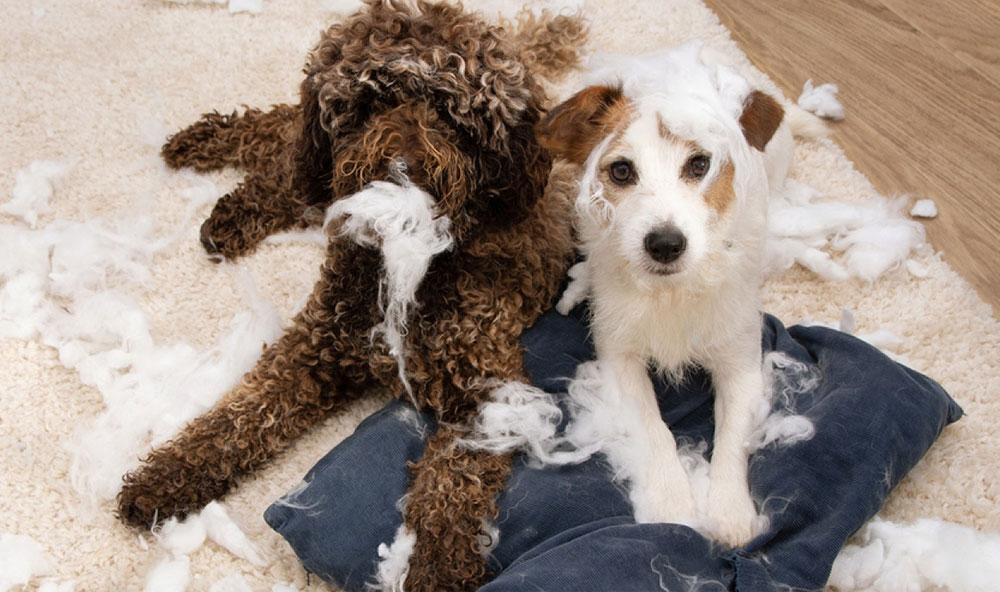
Unfortunately, many inexperienced owners only consider how to stop their dog from chewing after the problem has become obvious or has reached a point where it's difficult to tolerate. Experienced breeders understand why dogs chew and what to do to prevent their pet from reinforcing destructive behavior.
First, let's figure out why dogs do this.
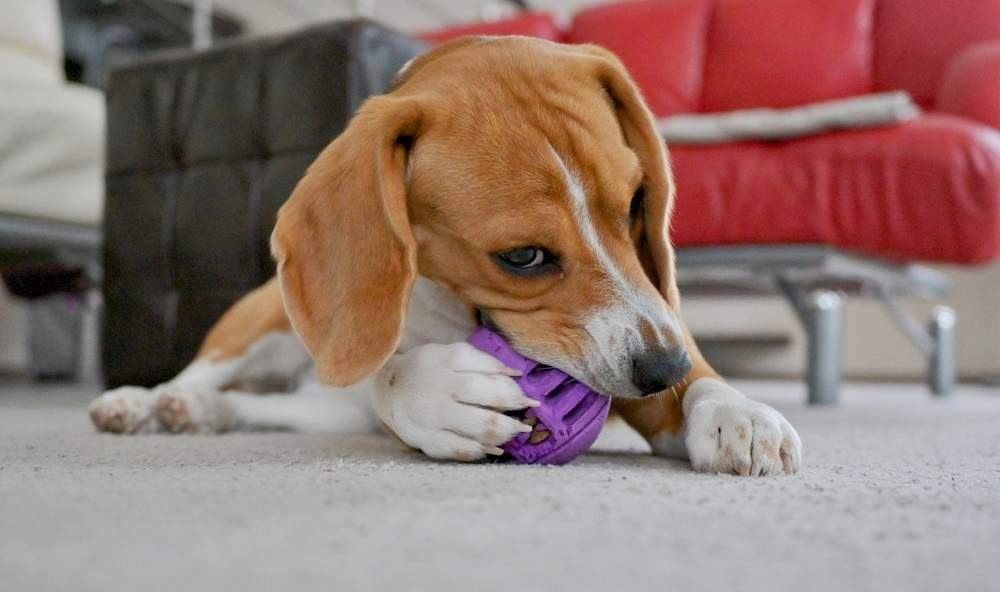
Reason #1. Enjoyment of the process.
Yes, dogs enjoy gnawing and chewing on things—it's a natural, genetically-enhanced need, as the wild ancestors of all canines had to hunt and handle prey every day to survive.
That's why even cute toy dogs can spend hours obsessively gnawing and chewing. If your pet has plenty of special toys and treats available at home from puppyhood to satisfy its natural physical and emotional needs, it's much less likely to turn to expensive items.
Reason #2. Teething period.
A puppy's particular need to "scratch its teeth" on anything it can find at home or outside arises during the period when its baby teeth are replaced by permanent ones. For most breeds, this occurs between 3 and 7 months of age.
During this period, the puppy is characterized by:
- increased salivation;
- desire to gnaw on anything;
- attempts to bite (the baby may start to grab legs and arms, bother other pets in the house or children).
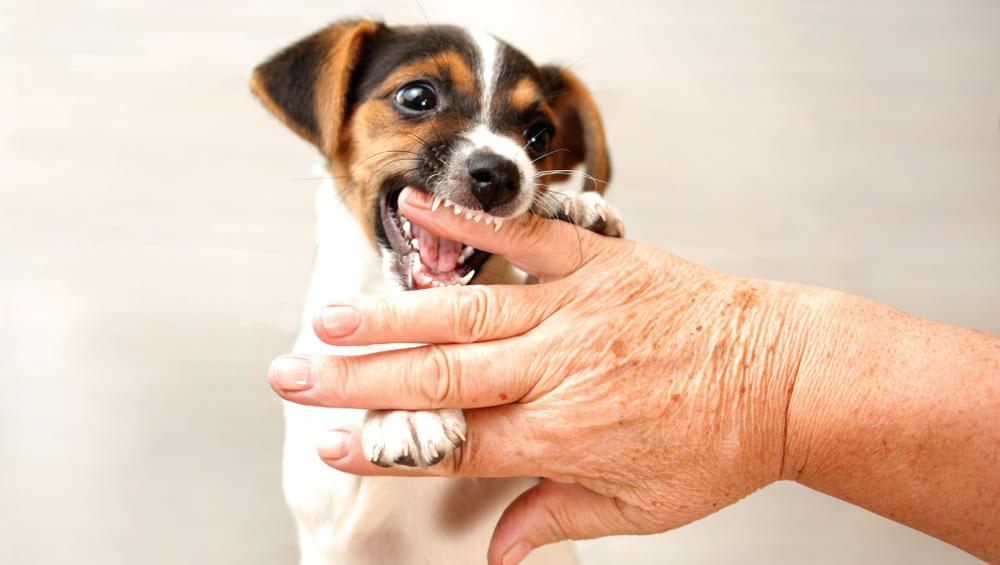
It's important to understand that this period will end, but if the dog develops a habit of chewing furniture, shoes, or household items, the destructive behavior may persist into adulthood. To avoid creating problems for yourself in the future, it's best to immediately hide anything that might interest the puppy and treat any items that can't be hidden to prevent the dog from chewing them.
Reason #3. Boredom, lack of physical activity.
While small breeds can be provided with a certain level of physical activity at home, a large dog locked in an apartment all day will definitely suffer, wasting its pent-up energy.
If all property damage incidents occur while the owner is away, it could be that the animal is relieving stress or satisfying its need for activity.
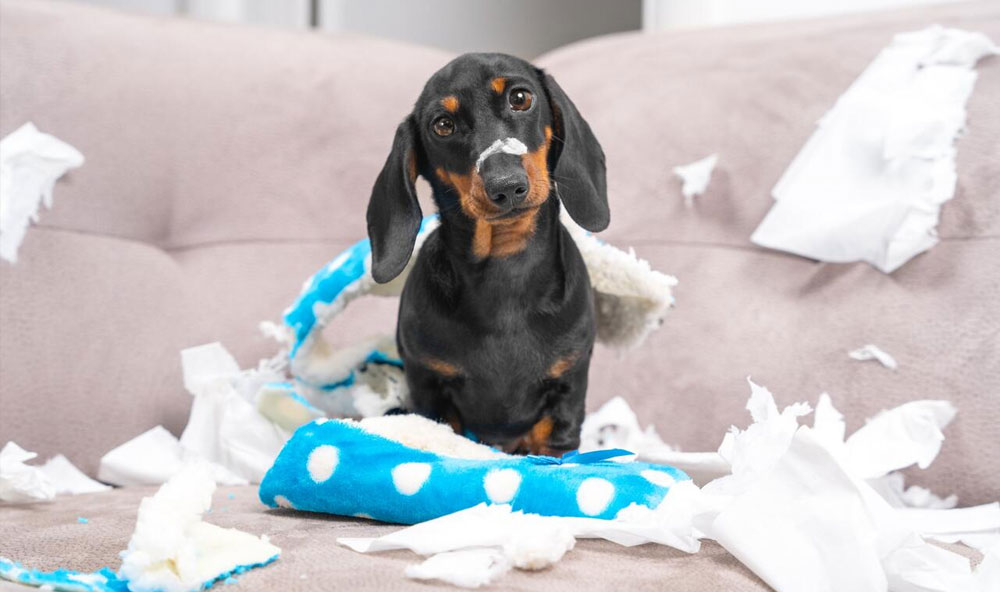
That's why it's important to consider your lifestyle and breed temperament when choosing a pet. And if you happen to have an active, emotional dog, don't try to turn it into a quiet couch potato, but rather fully satisfy its need for exercise and emotional connection through:
- long walks together;
- active games;
- training.
Reason #4. Bad example.
If your dog has chewed up your furniture and you've decided to get it a friend to keep it from getting lonely while you're away, we're sorry to disappoint you—it's a bad idea. Why? Once your dog has developed the habit of chewing while its owners are away, it's easy for another dog to do the same—bad behavior is contagious.
Therefore, we recommend first learning how to wean a dog off chewing everything, getting rid of the problem, and only then (if the desire to have another animal does not disappear) think about having a second dog in the house.
Reason #5. Physiological problems.
The most obvious is hunger. We've previously written about how to tell if a puppy is undernourished on the "Usatiki" portal.
However, the urge to chew on certain objects (such as walls and corners covered with lime plaster or wallpaper) can also be caused by a vitamin and mineral deficiency. A veterinarian can determine exactly what your dog is lacking by conducting a full examination and analyzing its diet.
How to stop a puppy from chewing everything in the house
Understanding what exactly triggers your dog's unwanted behavior is half the battle. Understanding why a child or adult dog chews things and ruins furniture will help you choose the best way to combat the problem.
Tip #1: Eliminate temptations.
How can you stop a dog from chewing things when its owner is away? The easiest way is to prevent your pet from chewing while you're away.
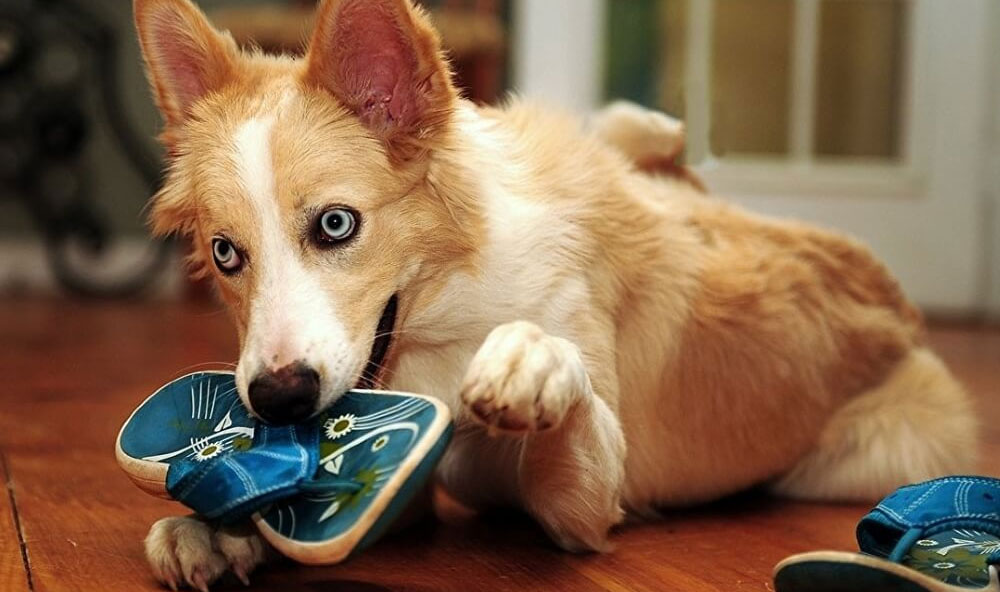
Possible solutions to the problem:
- restriction to one fairly spacious room (there is a risk that the furniture in this room may be damaged);
- modular fencing (relevant for small dogs and puppies);
- an indoor enclosure or cage (this method always causes heated debate, but if you live in a rented apartment and the safety of your belongings is a priority, and the period of absence is not very long, then you can resort to it).
Tip #2: Satisfy your natural needs.
Make sure your puppy always has plenty of toys that he can chew safely.
You can buy the following in pet stores:
- rubber gum massagers;
- rope toys;
- special treats.
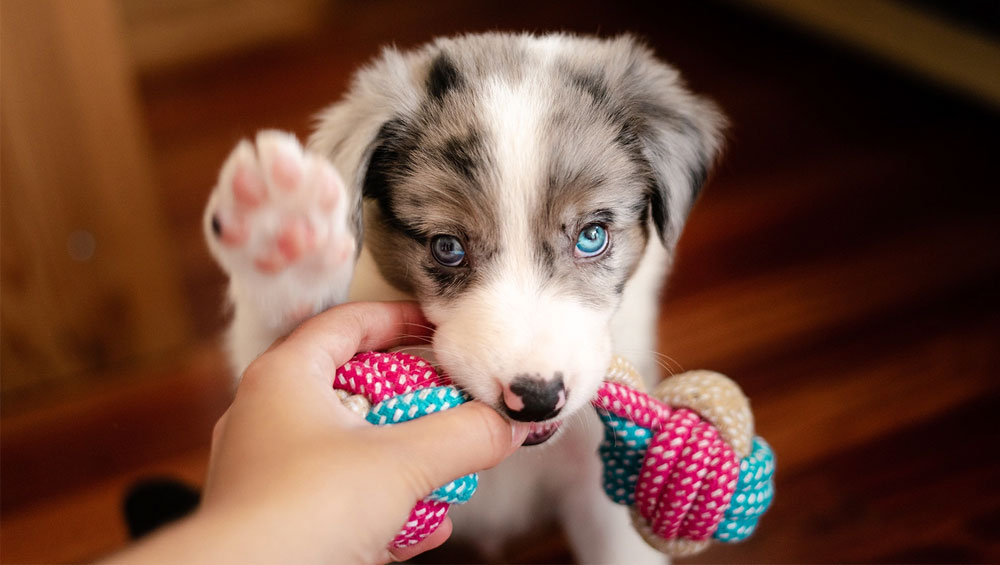
But even if you don't have the money for such things, you can make a "teeth scratcher" for your pet from a branch of a suitable thickness (choose dense wood that doesn't splinter). Large beef bones can also be given to dogs in limited quantities.
Important! Do not feed poultry bones to pets. When chewed, they can form sharp fragments that can cause serious damage to the esophagus or intestines.
Tip #3: Use repellents.
How can I treat furniture to prevent my dog from chewing it? The easiest way is to buy a special product at a pet store (safe for furniture, shoes, and the dog itself) that can be used on any surface that piques your dog's interest.
Such tools are available from manufacturers:
|
No. |
Manufacturer |
Volume |
Price |
|
1 |
Mr. Fresh Expert |
200 ml |
401 ₽ |
|
2 |
Apicenna |
200 ml |
525 ₽ |
|
3 |
HOMEPET SILVER SERIES |
125 ml |
151 ₽ |
|
4 |
Mr. Bruno |
200 ml |
298 ₽ |
|
5 |
Beaphar |
100 ml |
1,216 ₽ |
|
6 |
TAMACHI Anti-Chew Spray |
200 ml |
567 ₽ |
|
7 |
KHIMOLA |
150 ml |
334 ₽ |
|
8 |
Doctor VIC |
100 ml |
386 ₽ |
|
9 |
Doctor ZOO |
150 ml |
688 ₽ |
|
10 |
Globalvet |
250 ml |
446 ₽ |
Anti-vandal sprays and lotions can contain a wide variety of active ingredients. But their principle of action is very simple: the dog dislikes the smell and taste of the treated surface and loses interest in it.
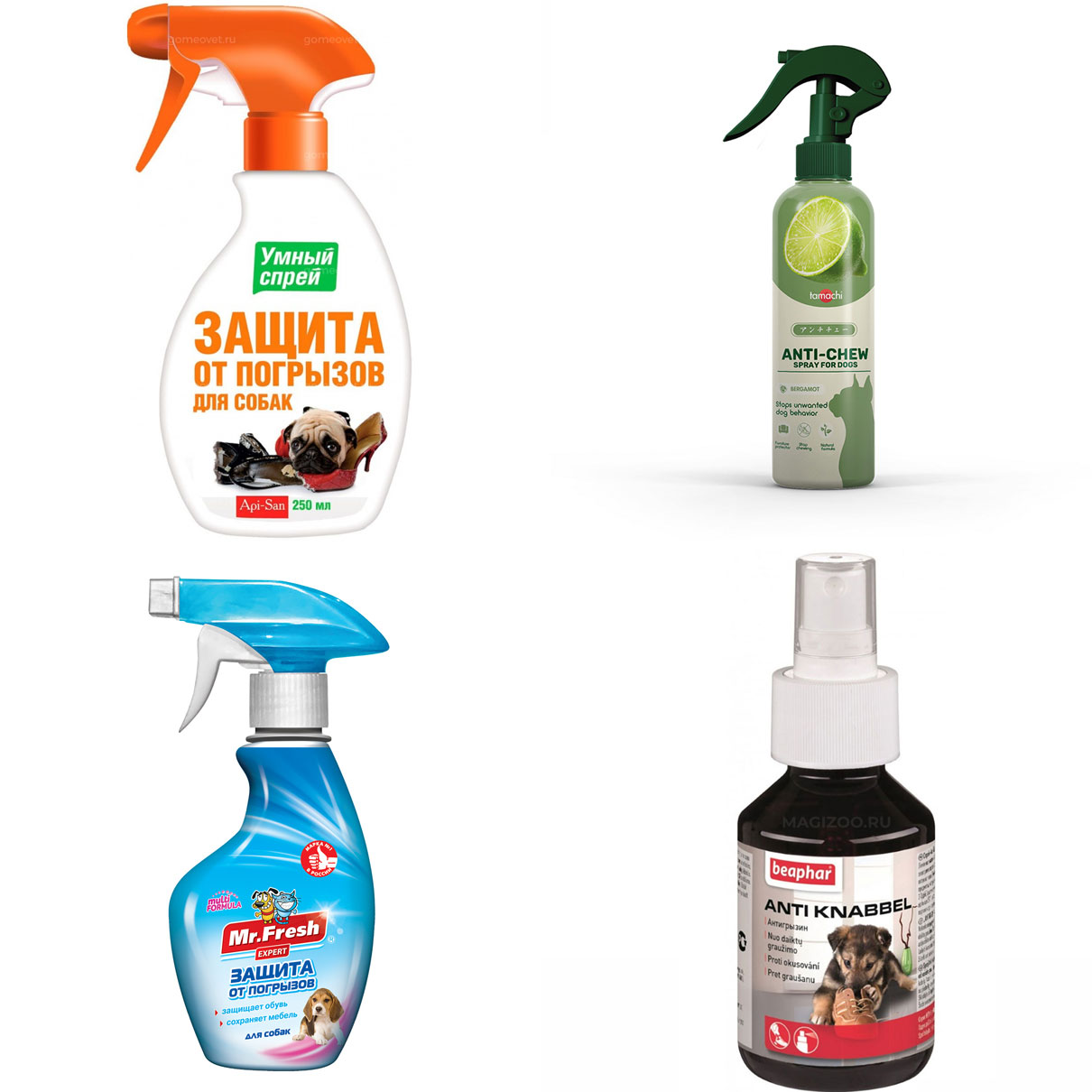
Tips on how to stop a dog from chewing furniture can be found in the notebooks of our mothers and grandmothers. Before such a vast array of specialized sprays were available, surfaces were treated with folk remedies to protect them from vandalism. For example, furniture can be coated or sprayed with:
- decoction of citrus peel (lemon, orange);
- lemon juice solution;
- solution of wormwood or pine essential oil;
- vinegar solution.
Important! Solutions must be weak enough to avoid damaging the animal's receptors and causing poisoning if, despite treatment, your pet continues chewing on its favorite item in your absence.
It's also worth considering that all folk remedies evaporate very quickly, and you'll need to regularly treat the surface again and again.
Another effective way to stop a puppy from chewing furniture is to use aluminum foil. If you wrap it around the legs of chairs and tables, your dog will likely dislike the rustling sound and metallic taste.
Tip #4: Educate and train.
It's important to start training your pet from the very first days it comes into your home, without waiting until the puppy reaches a certain age. The sooner your dog understands what is praised and rewarded, and what behavior is undesirable and unacceptable, the easier and more comfortable it will be for you to share your home with it.
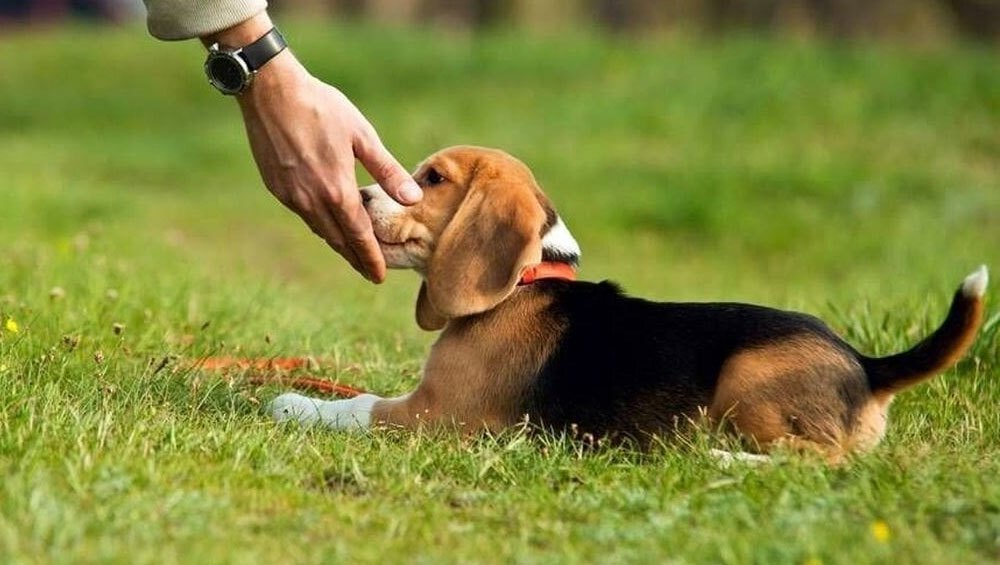
Remember these simple rules:
- Take your puppy for walks regularly, depending on its age.
- Provide daily physical and emotional stimulation.
- Start introducing the commands "No" and "No" as early as possible.
- Practice basic obedience commands daily.
- Avoid using old shoes, rags, or other household items for play, otherwise your dog may not understand the difference between your new brand-name shoes and the old slippers he recently happily chewed.
- Monitor your pet's behavior while at home and correct it, making it clear that not all of its actions are allowed.
- Punish your animal only when it exhibits unwanted behavior (you cannot scold a dog if you see something damaged when you come home late from work).
- Do not use physical force (you cannot hit your pet), show your displeasure by changing your intonation; dogs understand this very well.
Tip #5: Choosing the Right Diet
Whether to feed your dog natural food or dry food is a personal choice, but it's important that your dog receives all the vitamins and minerals necessary for growth and development, taking into account its age and activity level.
For more information on feed and diet planning, please see the relevant section of the website.
Breeders' Advice
For more information on how to train a puppy and prevent your dog from damaging property, watch this video:
Read also:
- What commands should a dog know?
- How to teach a dog to stand
- UGS for dogs: what is it and what does it include?


Add a comment