
How to stop a cat from pooping anywhere
When a small, fluffy bundle of joy appears in the home, it brings joy to the whole family, who strive to shower their pet with attention and care. But what if the cat starts pooping everywhere? For any owner, such an unpleasant "surprise" becomes a real problem, as the house fills with an unpleasant odor.
No one is immune to this affliction, and often households simply don't know what to do. After all, pets can have various reasons for relieving themselves outside the litter box. To prevent this from becoming a habit, it's important to understand the cause and take the necessary measures.
Content
Reasons why a cat started to shit everywhere
Cats don't defecate in inappropriate places just because they're mean or lazy. They're very clean animals, and if owners notice excrement in corners and other places, it's a sign that something's bothering their pet. What could be the cause?
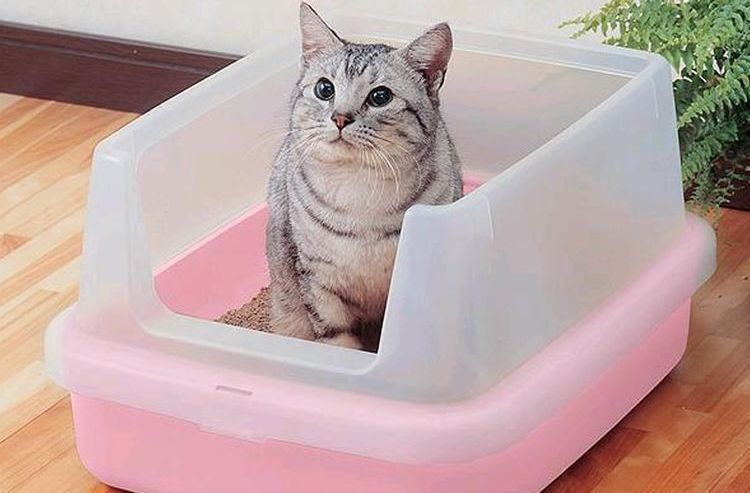
- Inconvenient trayIt's quite possible that this is where the problem lies. It's not uncommon for a litter box to be purchased when the pet was still a kitten. Now, it's doubled or even tripled in size and simply doesn't fit. A cat litter box should be at least one and a half times larger than the pet, allowing it plenty of room to turn around.
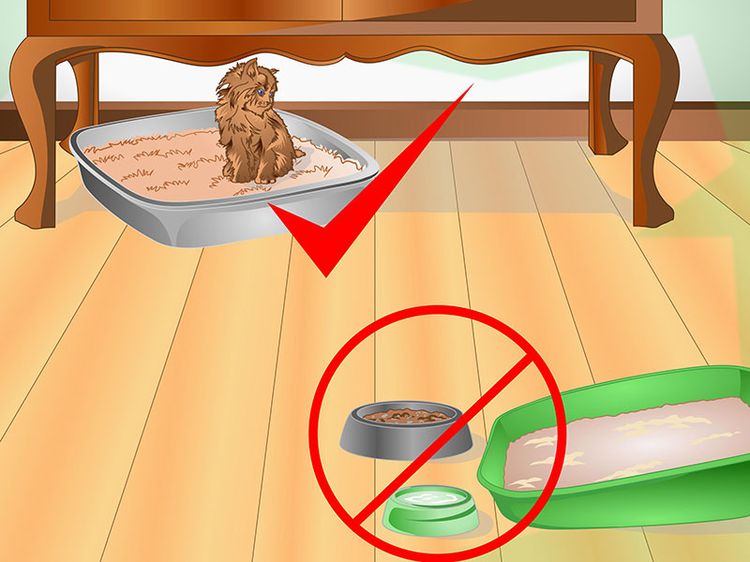
- Tray locationIf you placed the litter box next to the food bowl, don't be surprised if your cat starts eliminating outside the litter box. Cats never eliminate where they eat. Therefore, your pet's litter box should be located away from its food. For example, you could place the bowl in the kitchen and the litter box in the hallway.
- Unpleasant smellAnother cause is the odor coming from the litter box. Remember that your pet's litter should be changed after each use. Otherwise, your pet won't use it a second time, let alone a third. The detergents and litter box cleaners used can also be the culprit.
- Illness or stressIf all of the above points are completely normal, take your pet to the veterinarian. Your pet may be in pain or experiencing stress, which is not uncommon. This condition can be caused by changes in the home: a long renovation, the arrival of guests, a noisy celebration, etc.
How to stop a cat from pooping anywhere?
We've identified the reasons why cats start defecating inappropriately. Now let's try to figure out how to stop your pet from defecating in inappropriate places. We often encounter this problem when pets start relieving themselves in corners, on the bed, in indoor plants, or in garden beds (if you have a garden). What steps should you take to get your cat to use the litter box again?
- If your pet has started marking corners, try moving the litter box to one corner and spraying the others with a special spray. Anti-Marking is a popular product; it's available at any pet store. Just be sure to wash all corners first with soapy water and vinegar or bleach—this will discourage your cat from going there.
- What should you do if your pet has taken a liking to your bed as a toilet? Why does your cat start pooping on your bed? Because it's soft and comfortable! And until it becomes a habit, don't delay. Break the habit of sleeping with your pet, close the door, and spray your bed with lavender oil.
- Houseplant lovers often encounter the problem of their pet using their flowers as a toilet. Why? The answer is simple: their instinct to defecate in the soil kicks in. This problem can be solved. Place the flowers on the balcony or add lemon peels and garlic cloves to the pots – this will deter your pet.
- For those with their own gardens and vegetable patches, cat droppings in the beds can also be a real problem. But it can be dealt with, and in more than one way. For example, sprinkle the edges of the beds with red pepper or line them with fir branches. Try placing food bowls – cats won't defecate where they eat.
How to stop a neutered cat from pooping
It's believed that neutering a pet will immediately stop defecating inappropriately. Unfortunately, this isn't always the case. The fact is that cats use urine to communicate information about themselves, and, deprived of their most precious possession, your furry friend may instinctively protest.
But there's another reason: post-surgery anesthesia. Cats are still under the effects of the anesthesia when they wake up, and they may not have time to reach the litter box. They simply sense they need to go, so they leave the puddle somewhere else. And if your cat starts pooping randomly after neutering, you should know that it's not intentional. Their muscles are simply still weakened, and your pet has no control over their actions. Typically, this behavior will not recur after their body has recovered.
What if a neutered cat continues to shit? Veterinarians say it's revenge on its owner, especially if the animal is naturally vindictive. If you personally carried your pet to the surgery, held his paws, and were nearby the entire time, rest assured—the cat will remember. Give him more attention, play with him, talk to him—and after a while, he'll forget the offense.
How to punish a pet if it starts to poop
The most common method of punishment used by most pet owners is to push their pets into puddles, and some even hit them. Besides being inhumane, this is also ineffective and won't achieve the desired result. Moreover, the pet may become embittered and continue to relieve itself wherever it pleases, out of spite. In this case, how do you stop a cat from pooping?
The most important thing is to never use physical force! The most you can do is give it a gentle slap, perhaps with a newspaper, followed by a brief scolding. Believe me, your pet will understand. It may not be the first time, but with a little patience, your pet will soon start using the litter box. And don't forget to use effective repellents: treat your apartment with special sprays, change the litter box regularly, and clean the container with vinegar and ammonia solutions.
Read also:
- The best litter boxes for kittens
- Which cat litter box is best?
- Methods for toilet training a kitten


16 comments
Galina
Hello. My cat is 6 years old. He started peeing on the carpet in different places. I've tried everything to stop him, but nothing works. What should I do? It's a shame to give him up for adoption. He's such an obedient cat.
Tatyana Shmonina - veterinarian
Hello! He's using this behavior to draw your attention to his concerns. You need an ultrasound, biochemical and clinical blood tests, and a urine sample.
Elena R.
Hello! We found a cat on the street who developed a urinary problem—he started peeing blood. The vet said his kidneys were low. We gave him injections and Kotervin, but ever since the problem appeared (about a week ago), he's been peeing in small drops (not marking, but actually peeing) in the corners of his body. We can't get him examined at a clinic because we live in a small town. Could you please tell me if this is permanent or if urolithiasis is treatable? Thank you!
Daria is a veterinarian
Hello! How would Ervin and injections help improve kidney function? Urolithiasis is not only treatable, but also very preventable. The first thing to remember is the importance of a balanced and balanced diet. Not cheap food, but high-quality, and not raw food consisting solely of chicken (as many believe, feeding chicken necks and other junk) or sausage, or food from the owner's table. Secondly, the animal should drink plenty of clean water. Only with sufficient water consumption can an animal empty its bladder properly. Insufficient fluid in the bladder will lead to high urine concentration, which will lead to constant irritation of the bladder lining. This leads to cystitis, painful spasms, and the dribbling of already concentrated urine. This leads first to sand, then stones. And, of course, a minimum of stress. Stress can lead to idiopathic cystitis, which can also lead to urolithiasis.
Xenia
Hello, my cat is a 5-year-old Bengal, neutered. He eats Purina One food and refuses to eat any other food, except for the occasional attempt to steal dog food. He's started urinating on beds and sofas at night, and wherever he usually sleeps. We underwent treatment, and it turned out he had bladder issues; they said he had crystals in his urine. Three months after treatment, he's still urinating on the bed. We went for an ultrasound, and everything was fine, according to the vet. We're really tired of dealing with this. We had to throw out four old mattresses and one new one that wasn't even a week old. We thought the problem was caused by the new pet in the apartment, a dog. We bought sprays to keep him from urinating inappropriately, bought a bunch of toys, and tried to spend a lot of time with him, but to no avail. We've specifically designated a room for the cat with another litter box (the other is in the bathroom), where we don't allow the dog. Initially, we took the cat to the toilet ourselves before bed to prevent accidents during the night. It worked, so we continued doing it for a while. After that, the cat absolutely refused to go to the litter box before bed and started urinating on the furniture again. Please tell me what we can do; we're really tired of this.
Daria is a veterinarian
Good afternoon
This problem is quite common, so we decided to answer it, despite the fact that you have most likely already solved it.
This behavior is often a sign of stress related to environmental changes. To correct this behavior, we recommend consulting with animal psychologists. These specialists can help you optimize your cat's living environment so it feels comfortable.
Elena
Good afternoon. My lover's cat sometimes marks my clothes. Is it jealousy?
Daria is a veterinarian
Hello! Your cat doesn't like the smell on your things. Either you have another pet at home, or the scent of someone else, or your cat doesn't like your scent and perceives you as a stranger. By marking, the cat is trying to make the scent on your things more similar to what it's used to. After all, your home smells different from your lover's home. It's foreign to the cat. If jealousy were the cause, the cat would be aggressive toward you.
Svetlana
Good afternoon! My name is Svetlana, and our cat is 2 years old. He's a neutered Neva Masquerade. We feed him special food for neutered cats. He uses a litter box (he pees), but poops in another spot, near the threshold. We've installed two litter boxes, but it doesn't help. Sometimes he pees in a different spot, even though we keep the litter box clean and remove it every time. This is rare, but it does happen. We use fine litter, just the way he likes it. The place where
He relieves himself, I poured bleach on him and washed him with vinegar. Tell me what to do?
Daria is a veterinarian
Hello! Have you noticed any changes in your cat's behavior just a day or two or three before this misbehavior? Are they yelled at? Perhaps someone nudges them or sends them out of the room? Or perhaps there were arguments, loud conversations, or visitors at home a few days before this incident? It's possible that this is the cat's way of responding to some unpleasant event, a kind of stress response. Otherwise, defecating outside the litter box would be a constant occurrence.
Sofia
Good afternoon. My cat is one and a half years old. From the first day, everything was fine with the litter box. We moved a month ago, he was stressed, we gave him Fiteks, but now a problem has appeared: he has started marking, leaving small puddles, the litter boxes are always clean, the same litter. The cat is not neutered. What should I do?
Daria is a veterinarian
Hello! The first thing you need to do is get an ultrasound and examine the bladder. If everything is normal, then the problem may be that the cat is not neutered. And the animal is marking its territory instead of urinating. However, idiopathic cystitis (inflammation of the bladder due to stress) cannot be ruled out. It's necessary to get an examination. A diagnosis cannot be made without an examination.
Olga
Good evening, my name is Olga. Our cat, Mars, will soon be 5 years old; he is neutered. He eats Cat Chow dry food and a variety of wet food. About a year and a half ago, he started peeing, especially on the couch. We applied Domestos, fir, and pine oils to the affected areas. We struggled for a long time, and had to throw out the couch, a lot of blankets, and bedding. Now, the same problem is happening again: he pees on yet another couch and another piece of bedding. There is another spot on the floor that he pees regularly; we threw out the carpet, but he has continued to pee on another piece of carpet there. We love him very much, and he doesn't know what it means to be hit or scolded. He sleeps on pillows; basically, he does everything. We are desperate, and we even considered euthanasia. I can't afford to change the couches and everything else he "ruins," because the new sheets are less than four days old. What can we do? Please help with advice.
Daria is a veterinarian
Hello! Has your cat been taken for an ultrasound? Have you ruled out cystitis (including idiopathic stress-related cystitis)? Bladder atony should also be ruled out. Or perhaps the sphincter in the bladder isn't holding. You need to get examined. Is there any stress in the family? Has someone moved in or moved out? Has a new pet arrived or is the old one gone? Are children coming over? Too little is described about the cat's life. In some cases, treatment is needed, in others, sedatives are needed, and in others, the problem needs to be addressed promptly. A diagnosis is crucial.
Mila
Please tell me, snails have appeared in the house, maybe the cat is taking revenge by starting to shit all over the apartment.
Daria is a veterinarian
Hello! Are these snails large or small? This could make your pet jealous. If snails are crawling around the house, their slime probably smells foreign to your cat, which is why he's marking his territory.
Add a comment