
How to stop a cat from scratching furniture, sofas, and wallpaper
Sharpening their claws is a natural behavior for cats, driven by their natural instincts. However, owners rarely experience joy when watching their pet scratch a new sofa or wallpaper. In such cases, it becomes necessary to train the cat not to scratch the sofa. There are several methods for this, allowing each owner to choose the most appropriate option.
Content
Methods of weaning
At first glance, the most effective way wean off If a cat scratches wallpaper and furniture, it's time to trim their claws. However, this isn't entirely accurate, as this procedure is quite unpleasant and painful for the pet. More gentle methods can be used to break this habit.
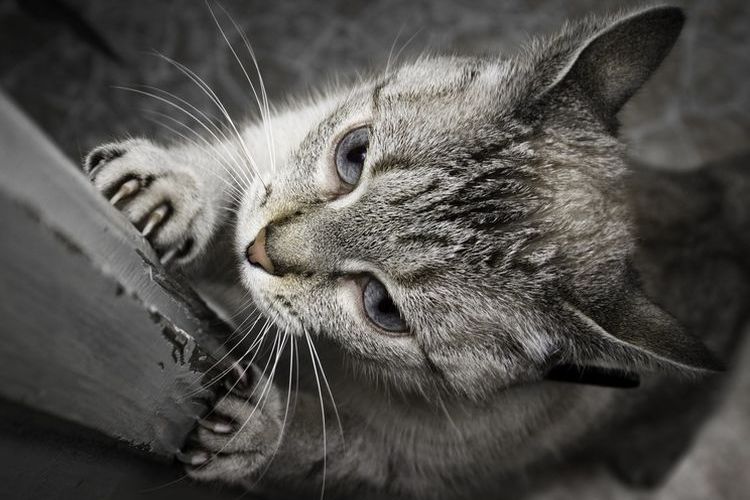
Scratching post
There are different shapes (mats, slats, beds, posts) and types of surfaces. However, it will take some effort to get your pet to understand the purpose of a scratching post, so it's best to introduce it early. To do this, place your cat's paws on the surface and move them downwards so that it understands that this surface is suitable for scratching. This will likely need to be repeated several times. It's important to praise and pet your pet every time it independently uses the scratching post for its intended purpose, and scold it if it tries to scratch something that isn't allowed.
Important! You should scold your pet immediately after the unwanted behavior, not 10, 20, or 30 minutes later. This will help the pet associate sharpening its claws in the wrong place with punishment. Otherwise, the animal simply won't understand why it's being scolded and will continue the behavior.
To further attract your cat's attention to this device, you can use pleasant aromas (such as catnip), toys, or special sprays, the composition of which literally improves the animal's mood.
Simply prohibiting your cat from approaching the sofa or scolding it for scratching the upholstery will cause it to continue doing so in your absence. Furthermore, it may stop perceiving your owner as a reliable social partner. Therefore, it's important to take two approaches: find or make a scratching post that suits your cat's needs and, at the same time, restrict access to the areas it's used to scratching. To protect surfaces, you can use special tape or a repellent spray.
When choosing and installing a scratching post, there are several things to consider:
-
location - vertical or horizontal;
-
texture of the material - rough and textured surfaces are preferred;
-
stability of the structure - cats don’t like shaky models;
-
Installation location - the scratching post should be located in a quiet place where the pet feels safe.
It's helpful to observe your cat and determine how they scratch: on the carpet, a doormat, sitting on the sofa, or stretching out vertically to scratch walls and door frames. If your pet uses different positions, it's best to invest in several scratching posts.
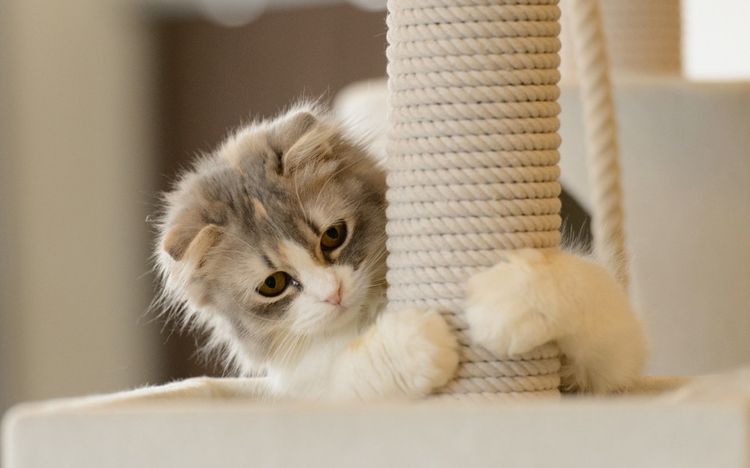
If you'd like, you can make horizontal scratching posts yourself, at virtually no cost. You can use strips of cardboard box, stacked and glued end-on to a solid base. It's important to use animal-safe glue.
To introduce your cat to the new accessory, attract its attention with a treat, toy, or catnip spray. If your pet uses the scratching post, be sure to praise it.
It's important that the scratching post is securely fastened and doesn't wobble: if it suddenly moves or falls on the cat, you'll have to remove it or replace it with a new one.
Unpleasant odors
Cats dislike the smell of citrus fruits, which can be used to break these bad habits. To do this, buy a store-bought or make your own lemon, orange, or grapefruit-scented spray and spray it on surfaces your pet is constantly scratching. You can also hang bags filled with dried zest or strong-smelling spices (coriander, hops-suneli, ground chili pepper, etc.) in these areas.
Anti-scratch mittens
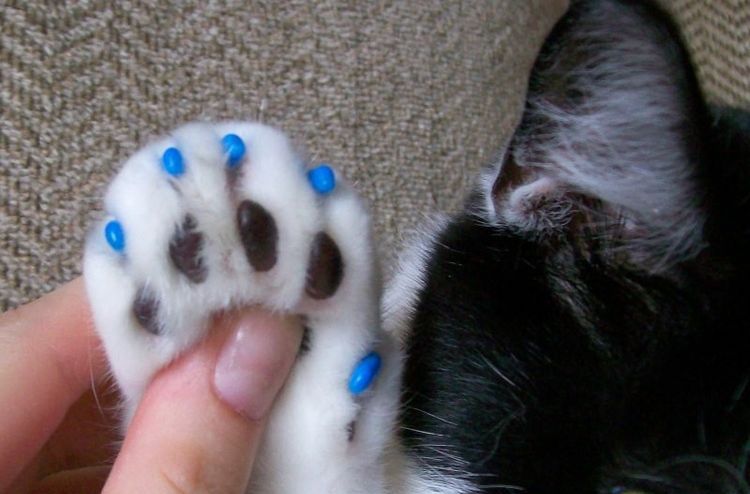
You can buy special claw caps at the pet store – silicone capsThese are glued to your pet's claws with a special compound, preventing them from scratching furniture. They are completely harmless to your pet and last for several weeks until the claw grows back.
Double-sided tape
Cats really dislike touching sticky surfaces, especially if they require removing hair. For this purpose, you can use regular double-sided tape or special "Sticky Paws" tape, which will be invisible on furniture. After getting caught in the sticky trap a few times, your pet will learn not to go near it.
Repellent scents
How can you protect your sofa from cat claws? Cats react extremely negatively to certain odors, and you can take advantage of this. For example, you can spray the upholstered furniture with a citrus-scented spray and place an aroma lamp or candle with the scent of eucalyptus or rosemary nearby.
When using repellent scents, it's important to consider the comfort of other family members. If anyone has allergies or experiences unpleasant reactions to this type of "aromatherapy," it's best to choose a different method of training your cat.
Training
Unwanted behavior and the need for emotional release are reduced if you focus on training and teaching your pet simple tricks. Regular exercise stimulates mental and physical activity, which is especially needed by domestic "hunters."
With training, you can redirect your cat's desire to scratch furniture or wallpaper to more useful and interesting activities, such as searching for treats or jumping through a hoop.
What not to do
When the owner is already driven to the brink of disaster and is ready to resort to radical measures, it is important to remain calm and know what actions should never be taken:
- Avoid physical punishment, as this will cause the cat to develop a fear of the owner, which may have the opposite effect.
- Avoid using noise or spraying water as punishment, as this will cause additional stress for the cat.
- Do not trim your cat's nails yourself.
- Don't throw away your pet's favorite old scratching post, as it retains its scent, and cats are very wary and distrustful of new and unfamiliar objects.
The main thing in training a cat is to act confidently, but at the same time affectionately, so that it does not have the desire to take revenge on its owner.
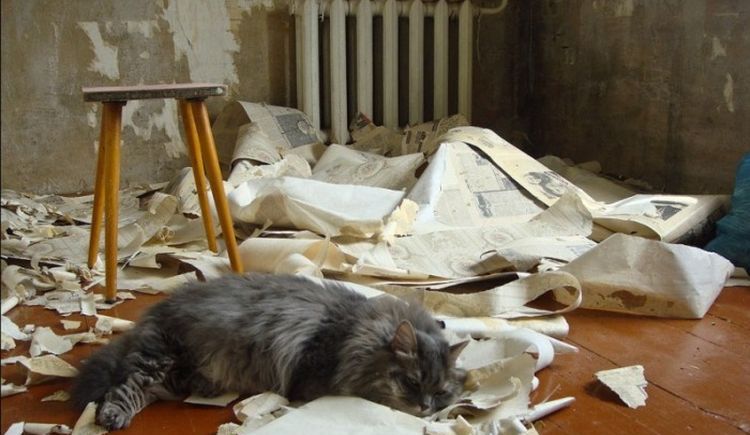
None of the above methods are universal, so you need to choose the most suitable option that will help preserve the furniture in your home, your own nerves, and the health of your pet.
Read also:
- Master class on making a scratching post
- How to train a cat to use a scratching post?
- Anti-scratch mittens for cats


1 comment
Anastasia
We also spent a long time training our cat to stop it, using water, foil, and punishment. A repellent spray helped; we bought it ourselves. Now our Archie only attacks the scratching post. Although a simple board placed next to the sofa also worked well; that's where he gets the most abuse.
Add a comment