
How to stop a cat from scratching and biting
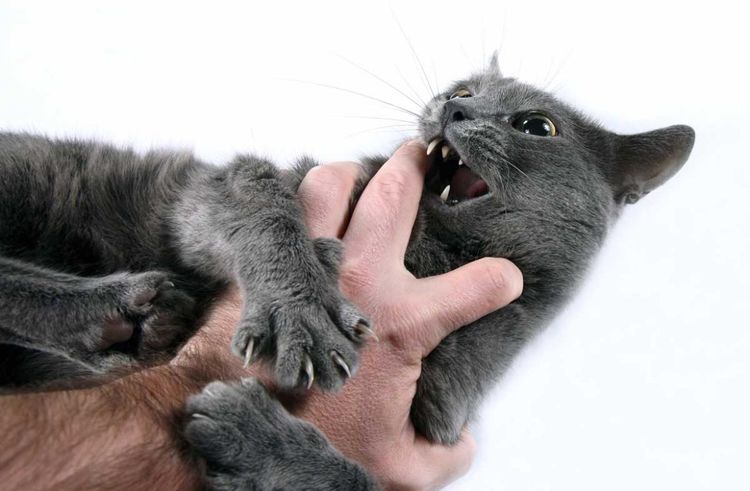
Every cat owner is likely familiar with the pain of teeth or claws biting into the skin. But sometimes, it's not just harmless play or a one-time display of emotion, but aggressive attacks and even swollen bite marks. In such situations, owners must find a way to stop their cat from scratching and biting. The sooner this issue is addressed, the easier and faster the desired result will be.

Procedure
Before you train your cat to stop scratching, you need to develop a plan of action that everyone in the household should follow. Here's how:
- Create a comfortable environment at home and eliminate any potential irritants for your pet. These may include certain touches (for example, on the belly or at the base of the tail) or odors, to which cats are very sensitive. Furthermore, aggressive behavior may be related to a sense of competition, fear (from unusual sounds, new things, children, or other animals), attention deficit or overload, stress, etc.
A cat may also bite due to poor health, such as fatigue, hormonal changes, injuries, or internal illnesses. In this case, pay attention to other alarming symptoms and, if necessary, seek help from a veterinarian, who will conduct an examination and prescribe treatment.
- Do not allow family members or guests to use their hands, feet, or other forms of play with the cat, or simply tease it. Also, avoid (especially at first) any actions that trigger the cat's hunting instinct and desire to catch prey (avoid sudden movements, flailing arms, or running).
- Immediately stop any aggressive behavior on your pet's part. For example, immediately after your cat scratches or bites you, you can loudly and sternly say, "No!" or "Teeth." The word should always be the same, so the animal quickly remembers what it's being scolded for. To enhance the effect, you can also use a loud noise (clap your hands, drop something noisy on the floor) or spray it with water. Loud noises, like water treatments, are generally very disliked by cats. After several repetitions, the animal should develop a connection between biting attempts and an unpleasant action. Consequently, it will understand the desired behavior.

To "intimidate" a pet, you must not actually frighten it, hit it with your hands or feet, etc. It is important not to cross the line between pointing out unacceptable actions of the animal and causing pain by any means.
Read also about how to stop a cat from peeing in the wrong place on the website — https://mypets-en.decorexpro.com/pochemu-koshka-ili-kot-stali-pisat-gde-popalo/.
Additional recommendations
The following tips will help you stop your cat from scratching:
- Act quickly. The time between the scratch and the subsequent punishment should be minimal (up to a few seconds). Cats have a short memory, so after just a few minutes, they can't connect the negative consequence with the cause. However, they can easily harbor resentment toward their owner for the "unfair" punishment.
- Be consistent. You need to reprimand your pet for every bite. Only then will you be able to form the "bite-punishment" association in its mind. If the owner uses it selectively (as often happens when in a bad mood), the animal simply won't understand what's happening.
- Distract. If your pet starts scratching or biting during play, distract it. First, remove your hands from its reach. Second, offer it a toy to play with. If your cat has already bitten your hand or another body part, avoid pulling away abruptly to avoid further injury. To encourage it to release its teeth on its own, use a loud, distracting noise.
- Avoid provocations. Firstly, you need to stop the game before your pet gets bored with it and becomes defensive. aggressionSecondly, avoid forcing your attention on unsociable animals, or on pregnant or nursing animals. Punishing an animal in such situations will sooner or later develop a fear of self-defense, which is contrary to feline nature.
- Use a towel. A simple household item can help discourage a cat from scratching your legs or arms. After your pet does something undesirable, immediately throw a towel over them. The sudden darkness is unlikely to please them, and they'll develop an association in their minds between "biting and darkness," which will help break the habit.
- Use other repulsive actions. For example, if you feel teeth on your hand, you can lightly flick the cat's nose. The flick won't hurt, but it will cause discomfort. Another option is to stick your finger in the animal's mouth, which will cause an unpleasant feeling of nausea. Frequently repeating this will reinforce the negative emotions associated with the bite, and over time, the urge to show teeth will subside.
By being consistent, firm, and patient, and using the tips above, you can find a way to approach your pet and wean it off biting, allowing you to walk around the house without fear of unexpected attacks from around the corner.
How to stop a cat from biting: veterinarian's advice
Read also:
- How to make two adult cats friends?
- How to teach a cat to give a paw
- How to stop cats from climbing on tables


Add a comment