
How to wean a cat off dry food
Despite the convenience and minimal time spent feeding dry cat food, many decide to switch their pets from kibble to natural food. This may be due to health concerns, a desire to provide their pet with higher-quality, more nutritious nutrition, or the inability to afford premium dry food due to its high cost. A good owner wouldn't routinely stuff their pet with budget-friendly kibble, as its composition is far from ideal in terms of its nutritional benefits.
Content
What do dry foods contain?
The composition of prepared feeds, indicated on the label of the can or package, includes:
- animal and vegetable proteins;
- fats;
- carbohydrates (mostly potatoes or corn);
- vitamins;
- minerals;
- preservatives and antioxidants (these chemicals are necessary to increase the shelf life of the product);
- food colorings;
- fillers (soy, starch or MCC polysaccharide).
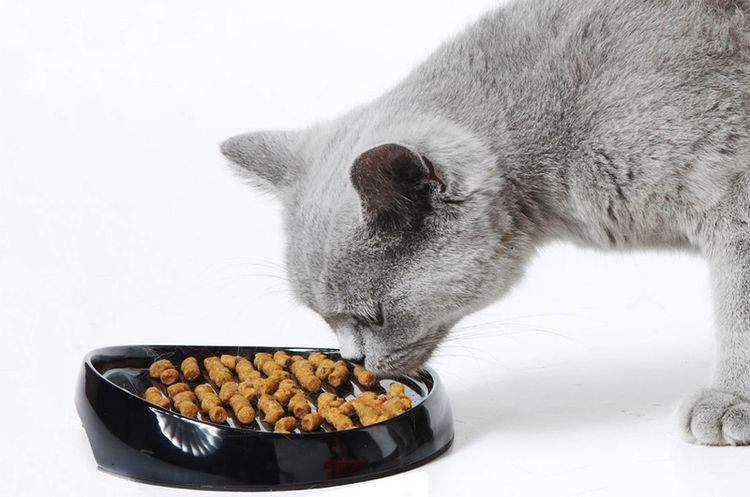
Good to know: Dry cat food manufacturers don't always list the presence of several special additives in their ingredients: flavor enhancers, flavorings, attractants, and addictive substances. These "tricky" additives not only make your cat crave kibble but also turn them into "addicts." Therefore, a pet accustomed to dry food often has a hard time transitioning to natural food, which is undoubtedly tastier and healthier.
Methods for weaning a cat off dry food
Some cats readily accept natural food. However, weaning a cat off dry food quickly is often difficult; the cat stubbornly refuses the owner's prepared meals and symbolically "buries" the offered food with its paw. This is not surprising: after generously flavored kibble, natural meat tastes bland to the cat, and it takes time for the taste buds to regain sensitivity.
Helpful tip: To help your cat's digestive system adjust to the new diet, when transitioning from dry food, it's recommended to give them a probiotic—a bioactive supplement containing lacto- and bifidobacteria—at least for the first few days. Your veterinarian will be able to advise you on which probiotic is best for your pet.
There are several proven methods that allow you to wean a cat off dry food fairly quickly, or at least make the process relatively painless for the animal.
Preparatory stage
Weaning a cat off dry food can be made easier by eliminating the tolerance syndrome caused by the attractants and additives found in all kibble formulations. The amounts of these substances vary among different types of food. To counteract the effects of flavor additives, buy a high-quality food with fewer of them. To do this, consult a veterinarian, read the ingredients on the label, or simply smell the kibble. It shouldn't have a strong, pungent odor. Mix the new dry food with the old one, gradually replacing the old food over the course of a week until it's completely eliminated.
The Hard Method: "No More Croquettes"
This is the fastest way to wean a cat off dry food. One day, remove all dry food from the house (not hide it, just remove it, as cats have an excellent sense of smell). Place homemade food in the bowl. Replace it with fresh food several times a day. It's quite possible the cat will ignore the new food and prefer to remain hungry for a day or two... Then, the survival instinct will kick in, and natural food will be a hit.
But if you're not sure you and your family have the courage and perseverance to endure your beloved kitty's pitiful wailing for days on end, choose another approach. Cats are intelligent animals, and if your pet can get you to indulge her even once, and you give her some dry food, she'll be confident that she can always get her way, and sooner or later, she'll get her coveted kibble.
Gentle method
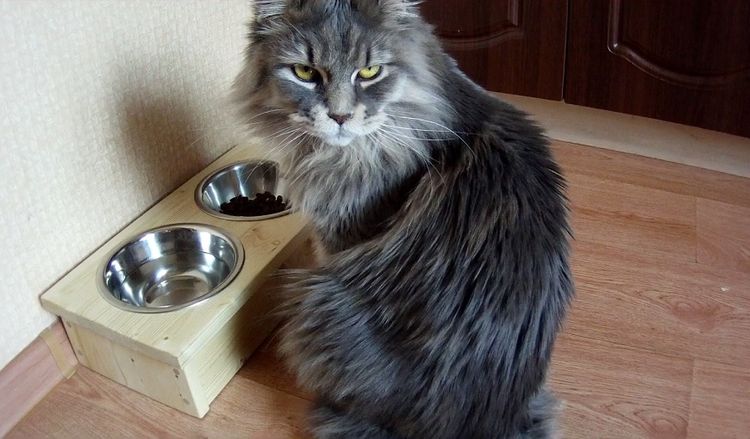
This method for weaning a cat off dry food involves gradually reducing its amount in the daily diet. For example, you can put only natural food in the bowl in the morning—a hungry cat will likely enjoy it. Then, in the afternoon, she'll get her favorite dry food. It's best to prepare homemade meals (at least during the adaptation period) using your pet's favorite foods. Food preferences can easily be determined experimentally. Gradually reduce the amount of dry food, and finally, simply place two bowls next to each other, one with a small amount of kibble and the other with a natural meal. If the cat isn't satisfied with the small portion of dry food, she'll be forced to eat the contents of the other bowl as well. This "retraining" process can take several weeks, but in return, the owners will be less stressed.
Transition to natural food through wet food
All cats enjoy delicious canned meat and fish from pouches or jars. Over the course of 4-7 days, replace some of the dry food in the feeder with wet food until there are no kibble left. Then, begin mixing in chunks of cooked meat, then some vegetables, and finally, porridge. It's important that natural food The size and consistency were no different from wet food. This gradual transition period can take up to two weeks, and there are usually no problems with "declaring a hunger strike." Read about it. What kind of cereal can I give to cats?.
Benefits of Natural Cat Food
Home-cooked food is closer to the natural diet of carnivores, such as felines. Ideally, 60 to 80% of a cat's daily diet should consist of meat products, with only a fifth to a sixth of that being by-products. The remaining 20% should consist of grains, vegetables, vitamins, and minerals.
No type of dry food is prepared using this recipe, as it would be prohibitively expensive. Most often, the animal protein in kibble is found in by-products; in premium foods, it makes up to 50%, while in economy-class dry canned food, it's only 5-6%. By providing your cat with a diet that's appropriate for their natural environment, you maintain their health and prolong their life.
Read also:
- The best cat food according to veterinarians
- How to switch a cat to a different food?
- Can a cat eat raw food?


Add a comment