
How to stop a cat from climbing into flower pots
We'll explain how to stop an adult cat or a small kitten from digging in flowerpots. Animals often develop the bad habit of digging in the soil. Before breaking your cat of this habit, you should determine the exact cause of this behavior. Only after identifying the problem can you seek solutions. Otherwise, your pet will continue to dig in your flowerpots, ruining your houseplants.
Content
The main reasons for bad behavior
Digging in the soil and gnawing on stems is a natural instinct found in wild animals in the wild. In domestic animals, this instinctive urge is reduced and is most pronounced in the following situations:
- An unbalanced diet. By eating flowers, stems, and leaves, a cat replenishes minerals and vitamins it doesn't get from its regular diet—replenishing calcium, phosphorus, folate, sodium, potassium, and iron. If the animal suffers from vitamin deficiency, it may also eat soil along with the plants.
- Digestive issues. Fiber is essential for removing hair and feces from the digestive tract. It's found in vegetables, grains, and greens, but it's not a staple diet for cats. Therefore, in the wild, cats periodically eat grass to stimulate vomiting and maintain normal bowel function.
- Low activity. Cats are active creatures who enjoy active play. If their owner doesn't pay enough attention and there are no toys, the pet will seek entertainment on their own. And often, a houseplant or seedling on the windowsill becomes the victim of this play.
- Finding a cozy spot. Cats have a slightly higher body temperature than humans, so the home environment familiar to their owner may be uncomfortable for the animal. As a result, the cat begins digging, creating a cozy, warm spot.
- Stress. When faced with moving to a new apartment, inattentiveness, or resentment, cats often dig up potted houseplants. This behavior is often aimed at attracting attention or motivated by revenge. Sometimes, a small predator scatters soil and chews leaves due to the development of a mental disorder called pica, typically found in animals who have spent part of their lives outdoors and have experienced hunger and fear.
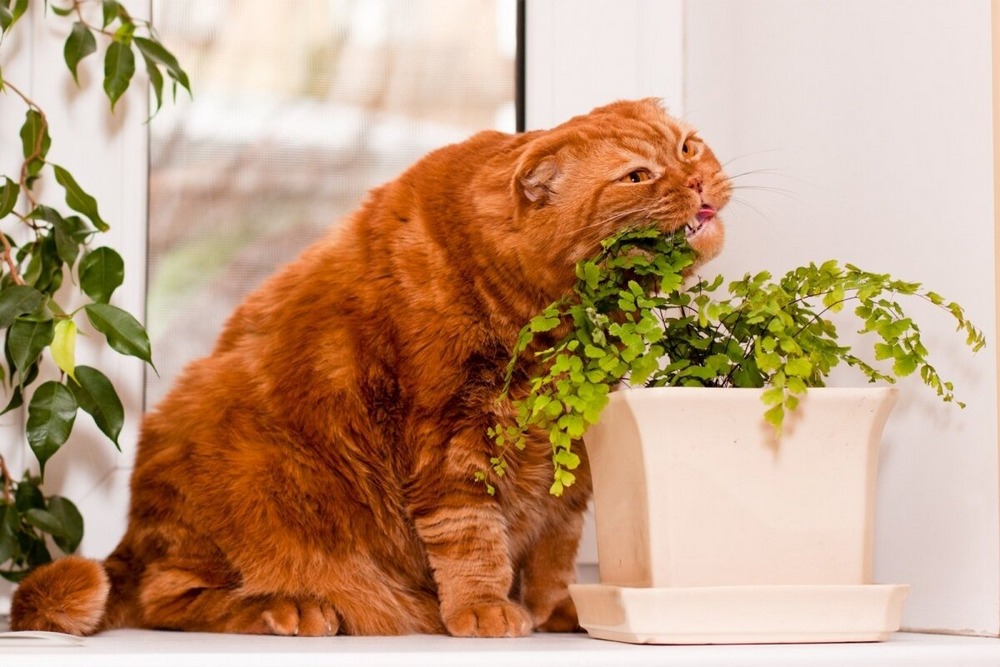
Among the most common reasons why a cat has taken to climbing into flowerpots and digging up the soil is dissatisfaction with the litter box:
- I don’t like the structure or smell of the filler, but I dig into the soil just fine;
- the filler is covered with a grid and cannot be scattered on the floor;
- the tray is in an inconvenient place - too noisy, open to prying eyes;
- the owner rarely cleans the litter box, which repels clean cats and forces them to defecate in more attractive places - flowerpots;
- 2 trays are required for emptying the bowels and bladder;
- the problem of painful bowel movements, helminthiasis – unpleasant sensations are associated with the litter box, so the animal avoids it.
The habit of ruining plants by turning pots into litter boxes is common among kittens who haven't yet settled into a home and go to the bathroom in the most attractive spot. If this behavior occurs in an adult pet, it means their owners haven't spent enough time training them.
How to stop a cat from climbing into flower pots
When the habit is related to a physiological condition, you need to contact a veterinary clinic:
- The doctor will diagnose a disease of the digestive or urinary tract and prescribe treatment to relieve pain and discomfort.
- In case of helminthiasis, the veterinarian will prescribe medications that quickly remove worms from the body.
- He will recommend food that will provide complete nutrition, as well as special supplements that will replenish vitamin and mineral deficiencies.
Breaking a psychological addiction to indoor flowerpots will require time and maximum patience. To wean your pet off the pots, you'll need to develop a reflex that prohibits approaching the plants. Physical punishment is unacceptable. This approach will anger the animal and provoke fear, which will lead to a stronger desire for revenge. Therefore, the best methods for weaning a cat off the potty include loud shouts, slapping a rolled-up newspaper in its face, and spraying water from a spray bottle in its face.
Your pet will also stop climbing flowers if you use a few little tricks:
- Deter cats with an unpleasant odor. Cats don't tolerate strong aromas well, such as citrus, vinegar, menthol, cloves, and ethyl alcohol. You can treat the surface of the flowerpot and the top layer of soil with essential oil or a solution to permanently deter cats from using the litter box. As the aroma fades, reapply the essential oil. It's easier to use special sprays sold at pet stores.
- Make it difficult for the cat to access the soil. Cover the soil in pots with a layer of stones or a grate. You can create a decorative border with shells and colorful buttons to enhance the plant's appeal and discourage the cat from digging. Avoid sticking toothpicks into the soil, as this can easily cause injury to the eyes, mouth, or soft paw pads.
- Make the windowsill inaccessible. Move chairs and tables away from the window, draw the curtains wide, or use short curtains. Jumping from the floor to a windowsill densely filled with flowers is much more difficult. This will gradually reduce interest in the forbidden area.
- Scare them with noise. Approaching large flowers in floor pots can be made more difficult by constructing traps made of foil, loudly rustling paper, sticky tape, and rattles. However, consider your pet's personality – some kittens may enjoy the noise, which they perceive as part of their play.
- Remove flowers from the windowsill. Often, pots simply block the view out the window, preventing your pet from basking in the sunlight. So, your pet will simply push them off the windowsill, freeing up space for themselves. Simply moving the flowers to a different location will solve the problem. You can also repot them in wall-mounted pots and hang them higher up to make them harder to reach.
- Use small containers. You can reduce the interest by growing only small flowers at home in pots no larger than 1 liter. The foliage will almost completely cover the soil surface, making it impossible for the digger to dig around in the soil.
- Create a natural corner. The easiest way to solve this problem is to designate a space in the room for a cat garden. If you place boxes of grass on the floor, your cat will quickly forget about the pots and appreciate the improvised lawn where she can roll around, dig, and nibble.
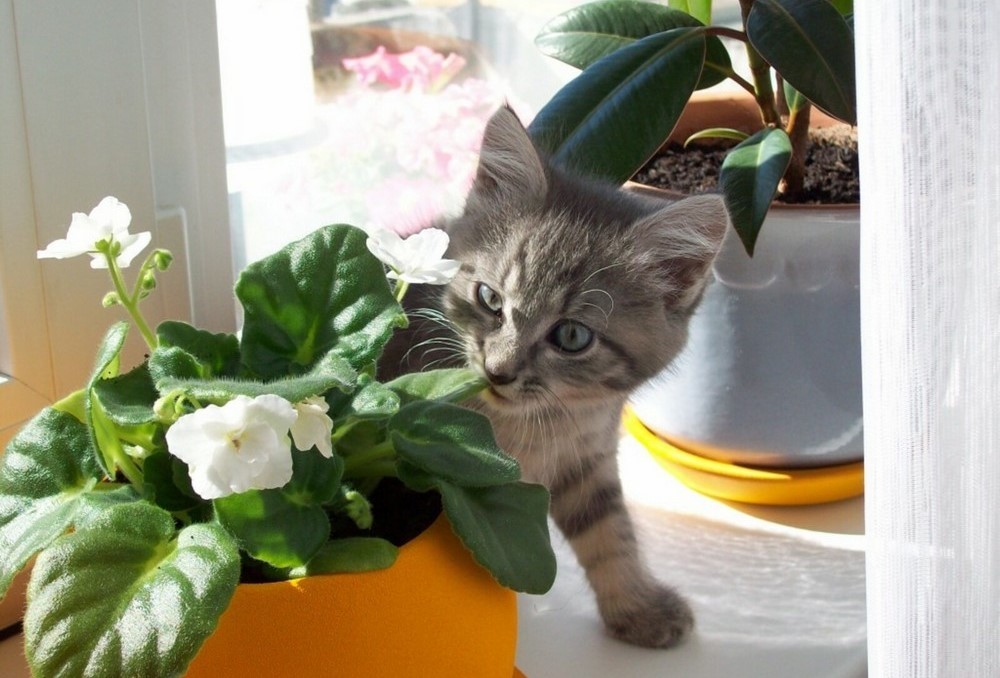
What to do if an adult cat uses a flowerpot as a toilet:
- change the filler at least once every 3 days;
- wash the tray without detergents with chemical scents;
- equip a toilet in a secluded place;
- fill the open container with materials that do not emit dust or make loud noises when digging;
- provide the required number of trays;
- sterilize - the operation eliminates the desire to mark in inappropriate places.
To prevent an adult kitten from defecating in flowers, it's important to systematically potty train it from puppyhood. Place the kitten in the litter box after naps and meals, and attract its attention with special sprays. Negative behavior should be scolded, and good behavior rewarded with treats.
Consequences of a bad habit
A pronounced interest in litter boxes can lead to serious problems for cats. A number of indoor crops are toxic; eating them can cause poisoning, accompanied by the following symptoms:
- severe repeated vomiting;
- prolonged diarrhea;
- dehydration and weakness;
- loss of appetite;
- convulsions;
- coma.
Without medical attention, poisoning can lead to tragic consequences. Therefore, before purchasing or growing an ornamental flower, it's important to find out whether it's dangerous.
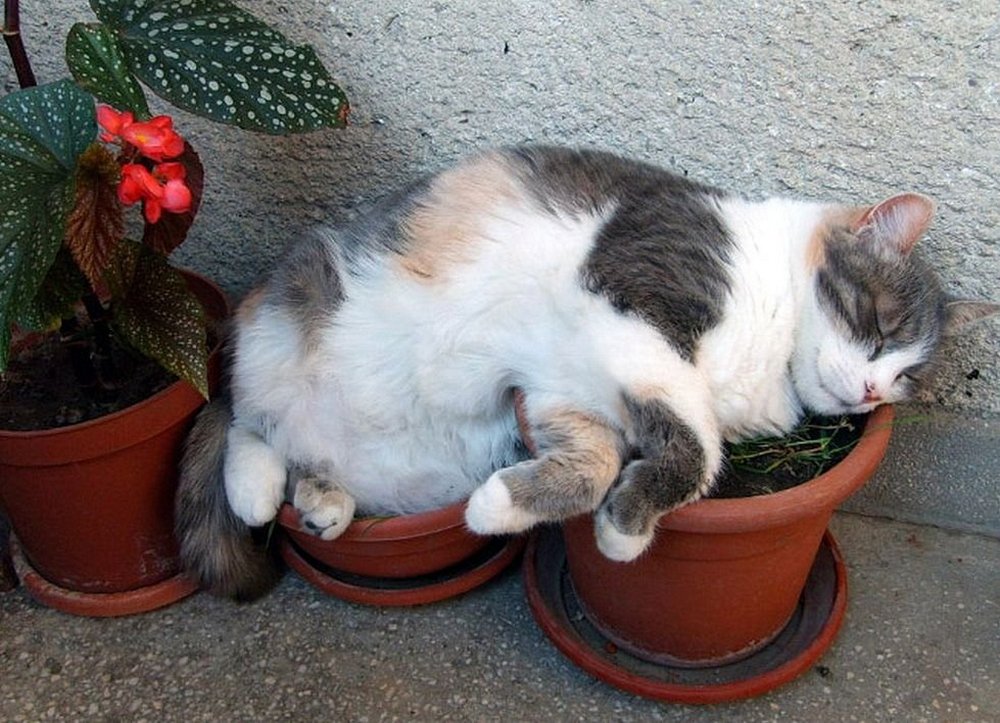
By carefully studying your cat's habits, you can quickly determine the cause of inappropriate behavior. If the habit is the result of health issues, you should immediately consult a veterinarian. If a love of flowers is triggered by psychological instability or stress, you need to be caring and patient, creating the most comfortable environment possible to discourage your pet from digging in the soil and chewing on stems.
Read also:
- How to train cats at home
- How to stop cats from climbing on tables
- How to stop a cat from scratching furniture, sofas, and wallpaper


Add a comment