
How to determine a cat's breed
Typically, a kitten or adult cat found on the street is considered a mixed breed, meaning "not purebred." But perhaps a member of royal blood has settled into your home? It also happens that you were sold an animal of one breed, but over time you begin to notice traits of another. How can you determine a cat's breed by color and appearance, and is it even possible? It's quite difficult for a non-expert, but not impossible.
 Why do you need to know the breed?
So why is it important to know your cat's breed? You won't be able to enjoy any special privileges, and your pet, regardless of its origin, will remain a loyal, devoted, and affectionate companion? Firstly, by getting a kitten and determining its breed, you can understand its size and behavior. While each animal's personality is unique, there are traits that are specific to certain species.
Secondly, you'll be aware of potential genetic diseases and can take preventative measures promptly. Thirdly, knowledge of the breed is important when choosing a mating partner.
Signs
Most cats look similar. They have a medium-wide chest and rump, and a rounded head. You can identify a cat's breed from a photo by looking for distinctive features:
- size (large or small);
- ear defect (their inversion, deformed cartilage, unusual shape);
- tail (presence/absence and its length);
- paws (normal or short);
- unusual coat (very long, short/long curly) or no coat;
- non-standard color (blue, Siamese, chocolate, etc.).
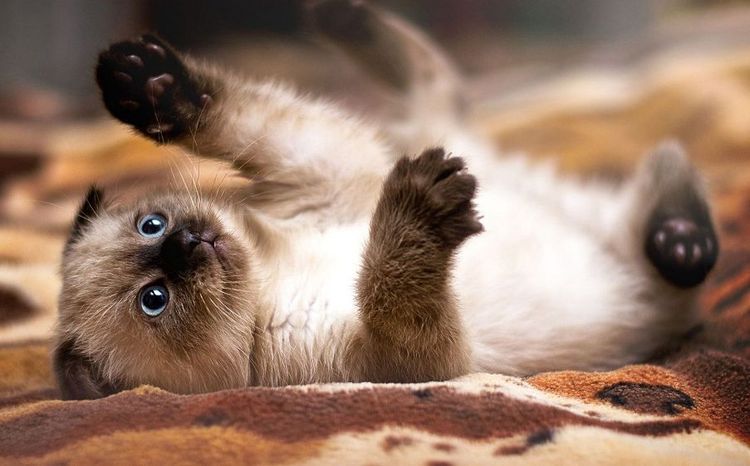
Size
Common domestic cats grow to 50-75 cm in length, with a tail length of about 30 cm. They weigh 4-6 kg for males and 2.3-4.5 kg for females. Some species, of which there are over a dozen, are much heavier, weighing up to 15-20 kg. Below is a list of the largest breeds:
- American Bobtail - its ancestors are wild representatives of the feline family living in North America;
- Kurilian Bobtail – Russian cat, bred in the Kuril Islands;
- British cat;
- Maine Coon is the largest domestic cat;
- Norwegian Forest Cat – males reach a weight of 10 kg;
- pixie bob – an American cat that looks like a red lynx;
- Ragdoll - these animals look like rag dolls;
- savannah;
- Siberian;
- Turkish Van cat;
- chartreuse - a French cat the size of a dog.
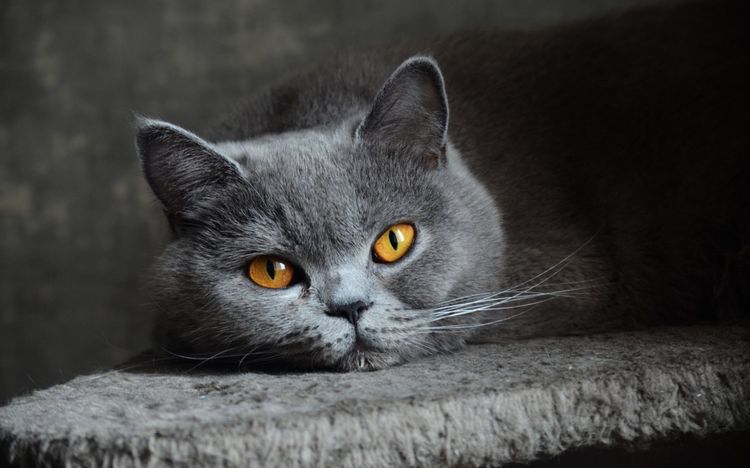
So, what cat breeds are considered small:
- munchkin – has short legs, often serves as a basis for breeding other breeds;
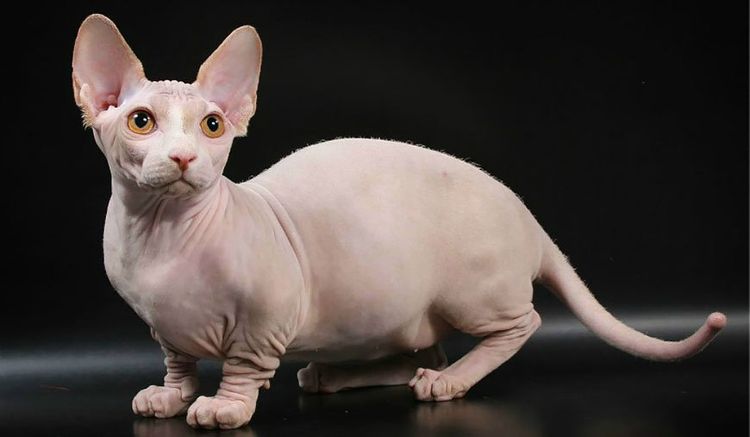
- Bambino – its ancestors are the hairless Canadian Sphynx and the short-legged Munchkin, reaches a weight of no more than 2.2 kg;
- Napoleon - these animals were bred by crossing Persians and Munchkins, the weight of an adult does not exceed 2.5 kg;
- skookum – the ancestors of this variety are small munchkins and laperms with long and wavy hair;
- Dwelf - a 3-kilogram hairless cat, whose ancestors were three species (Munchkin, American Curl and Canadian Sphynx);
- kinkalow – the rarest cat, barely reaching 1.3 kg;
- lambkin - a cat with curly hair, similar to lamb, lower weight limit is 1.8 kg;
- Minskin - a small hairless cat;
- Singapura - was bred in Singapore, then brought to the USA and Europe;
- The Scythian Tai-Dong (Taibob, Toy Bobtail) is the smallest representative of the cat family in the world.
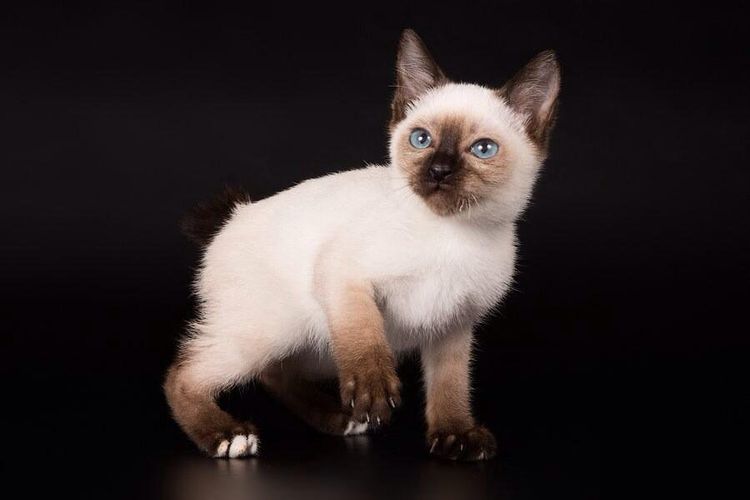
Ears
We determine whether an animal is an aristocrat by its ears:
- bent back to 180 O – characteristics of the American Curl;
- folded - in cats of the Ukrainian Levkoy breed;
- deformed cartilage that folds the auricle in half - Scottish Fold cat;
- Huge and patterned - elf cat, bred by American breeders.
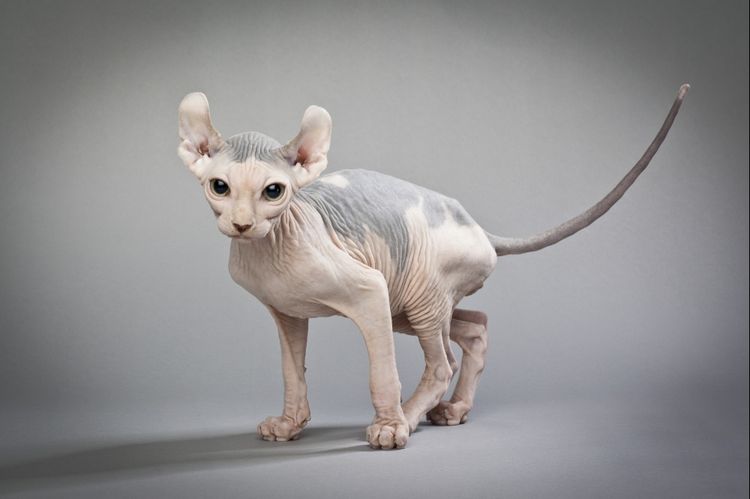
Tail
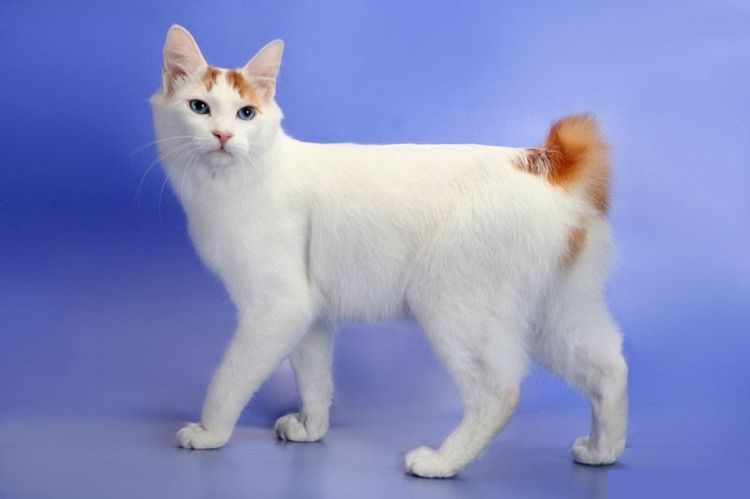
As is well known, some purebred dogs have their tails docked. In cats, the presence or absence of a short tail is an innate characteristic of the species. Here are some cats with tail abnormalities:
- Cymric – a tailless cat with short front legs, which give it a unique jumping gait;
- Manx – these animals either have no tail at all, or, on the contrary, their tail is too long;
- Pixiebob is a domestic miniature lynx with a tail 2-15 cm long;
- American Bobtail - its tail is no longer than the base of the hind legs;
- Kurilian Bobtail – bred in Russia, its ancestors are the Siberian cat and the Japanese Bobtail;
- Japanese Bobtail – has a curled tail up to 12 cm long.
Paws
Most cats have medium-length legs. However, some purebred cats have short legs. These include Skookums, Dwelfs, Munchkins, Napoleons, Minskins, and Bambinos. Initially, breeders feared that short legs would be a hindrance to the small predator, but this disadvantage is compensated for by the flexibility of the spine.
Wool
Pedigree cats have different fur lengths:
- shorthaired – Siamese, Singaporean, Oriental, Tonkinese, Bombay, Burima, Abyssinian, blue, cork, American, Burmese, European, Chartreux, Exotic;
- longhaired - Balinese, Maine Coon, Norwegian Forest Cat, Persian, ragdoll, Siberian, Simrik, Somali, Turkish;
- hairless – sphinx, Ukrainian levkoy.
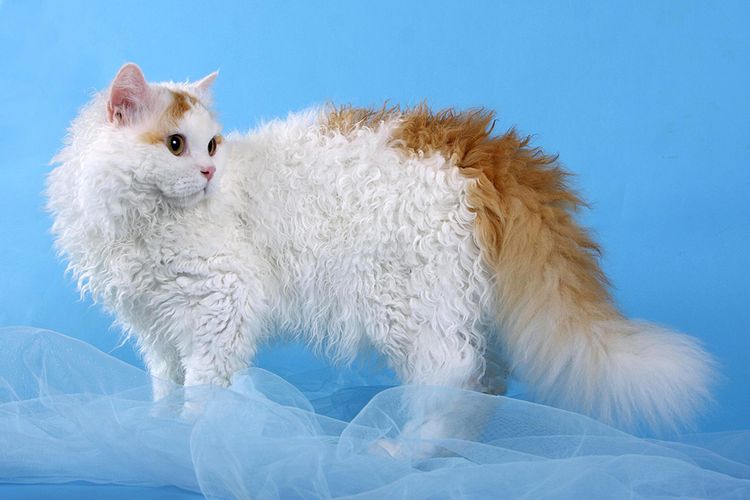
At the same time, almost all types of Rexes have curly short hair - Cornish, Devonian and German. Longhaired curly cats include Selirk Rexes and Bohemian. American Shorthairs have a coat of coarse, elastic curls. Also, all cats have different body types: some are strong, others are medium, and still others are slender.
Color
If a cat has an unusual coat color, different from that of domestic cats, there's a chance it may be the offspring of a purebred. Look at the color and compare it to the breeds:
- the predominance of black color in the area of the muzzle, paws and tail - Siamese, Neva, Thai or Balinese;
- the predominance of black in the area of the muzzle, paws and tail, and white socks - signs of a ragdoll, snow show or Burmese;
- blue or smoky-gray color - Nibelung, British or Russian blue cat;
- sandy shade is a sign of a Somali or Abyssinian;
- bright spots or stripes – characterize savannas, safari cats, Egyptian maus and Bengals;
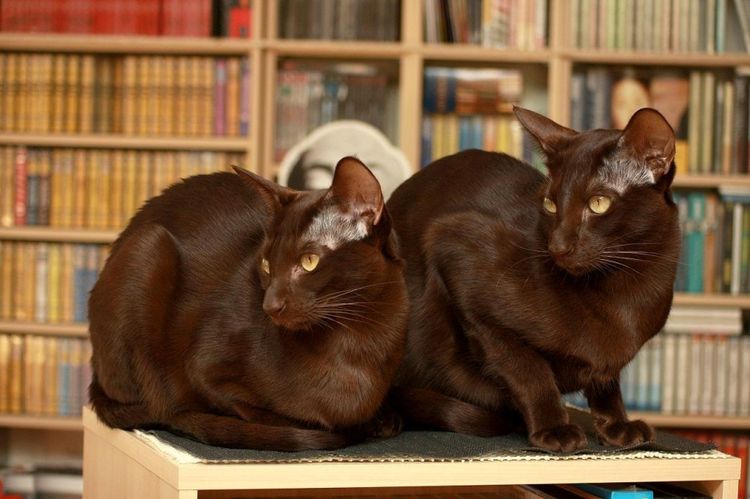
- Brown wool - Tiffany Chantilly or Havana Brown.
Even if your kitten displays several distinct characteristics, it's still more likely to be a mixed breed, inheriting some appearance or behavioral trait from its purebred ancestors. This often happens with mixed breeds, especially if the animal was found on the street or adopted from a shelter.
But no matter how hard you try, only a specialist—a veterinarian or a breeder—can accurately identify a cat's breed from a photo. If your pet isn't a fluffy Thai or a cute Norwegian, that's okay. If you love and care for your pet, it will look just as good in your eyes as an aristocratic British Shorthair, an independent Siberian, or a proud Maine Coon!
You might be able to identify your cat's breed from the photos collected in this video:
Read also:


1 comment
Xenia
What kind of nonsense are you writing here? What kind of veterinarian determines a dog's breed? Are you completely nuts? Breeds are determined by documents, not by folded ears. If you don't have the knowledge, don't write nonsense. Half the country is already full of idiots breeding crooked ears.
Add a comment