
How to cool down a dog in extreme heat
Dogs have sweat glands only on their paw pads. They lose excess body heat primarily through panting with their tongues hanging out, making summer heat difficult for dogs. Overweight animals and those with heart and respiratory diseases are at higher risk of overheating. During hot weather, owners should ensure their pets are provided with conditions that help prevent heatstroke.
Conditions of detention
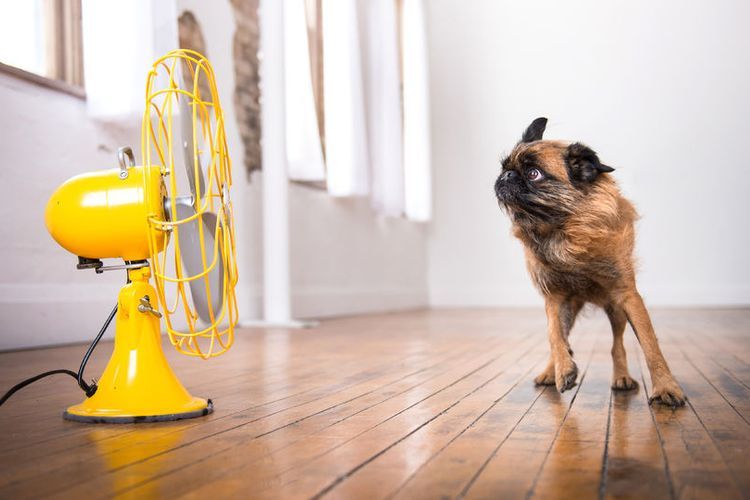
If your dog lives indoors, provide a cool place for them to rest. A dog mat can be moved to the bathroom during the day, or you can allow them to rest in an air-conditioned room. Dogs should be walked every day. However, in summer, it's best to take walks early in the morning and late in the evening, when the temperature is not too high. Avoid using a tight, constricting muzzle, as this will make it difficult for the dog to breathe with its mouth open.
Never leave your dog in a parked car for more than a few minutes. Even with the windows open, the temperature rises very quickly.
If your pet is kept outdoors, a corner of the yard or enclosure should be provided for it, protected from direct sunlight. Prolonged exposure to the sun in a stuffy kennel outside of a shaded area during the summer heat can lead to overheating and heatstroke.
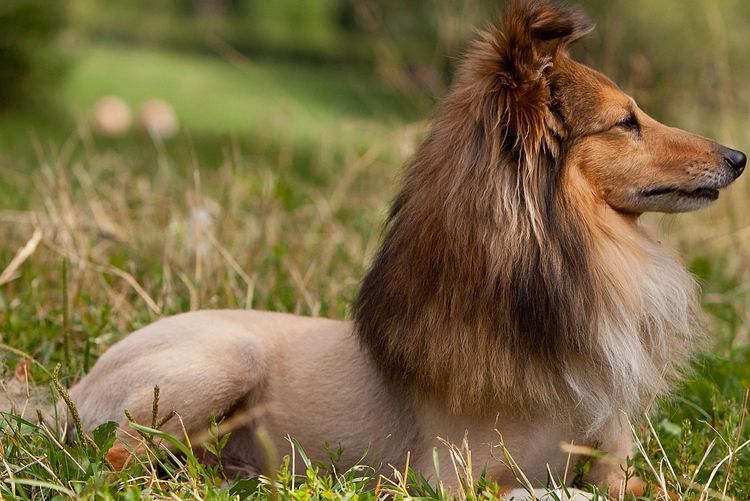
Some dog owners, wanting to alleviate their pet's discomfort in the heat, trim their hair bald for the summer. This is wrong—it can lead to even faster overheating, as the coat protects against high temperatures, not just the cold. The optimal summer haircut is 5-6 cm.
Food and drink
At any time of year, and especially in hot weather, your dog should always have access to fresh water. During extreme heat, change the water as often as possible, and add ice cubes to the water bowl.
In summer, when temperatures soar above 30 degrees Celsius, dogs often lose their appetite. Therefore, it's a good idea to switch your pet to one meal a day or feed them smaller portions than usual. Your dog's diet can also be adjusted to include more easily digestible foods. In any case, food shouldn't remain in the dog's bowl from morning until evening—in hot weather, food spoils much faster, and your dog could become poisoned.
Water treatments
Bathing is a great way to alleviate a dog's discomfort in hot weather and prevent unpleasant and dangerous overheating, especially since most dogs respond well to it. There are many options:
- You can place a shallow container of water in the yard of the house where the dog can climb if it wants to cool off.
- You can bathe your pet in a home bathtub, filling it with water up to the level of the dog's belly, or you can pour water over the dog from the shower.
- You can wet the dog's head and body from time to time using a spray bottle.
Never pour cold water on a dog from a hose; the sharp contrast between body temperature and water temperature can cause pneumonia or urinary tract infections.
Avoid keeping your dog in water for long periods or bathing it multiple times a day. Detergents should be used no more frequently than usual—once a week—as they strip the coat of its natural oils. After swimming in the sea, it's recommended to rinse your dog with fresh water to remove salt from its body.
Cooling devices
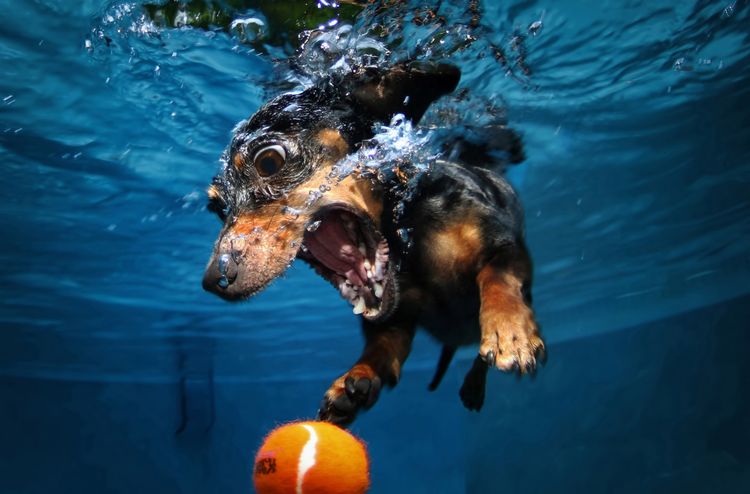
To help dogs cope with the heat, many owners allow them to lie on a wet towel or place bottles of cold water nearby. Special devices are now available at pet stores:
- self-cooling mats filled with liquid that is activated by the animal's weight;
- mattresses with a built-in battery, which, after cooling in the freezer, provides coolness for up to 8 hours;
- blankets and vests, the cooling effect of which is achieved through the evaporation of water.
A dog's ability to adapt to climate conditions depends to some extent on genetics. Collies, Alabai, Dalmatians, greyhounds, Australian shepherds, and pinschers tolerate heat quite well. Newfoundlands, St. Bernards, and Caucasian shepherds suffer much more from high temperatures. Brachycephalic dogs—dogs with flattened muzzles (shar-peis, bulldogs, pugs, and Pekingese)—are also susceptible to heat.
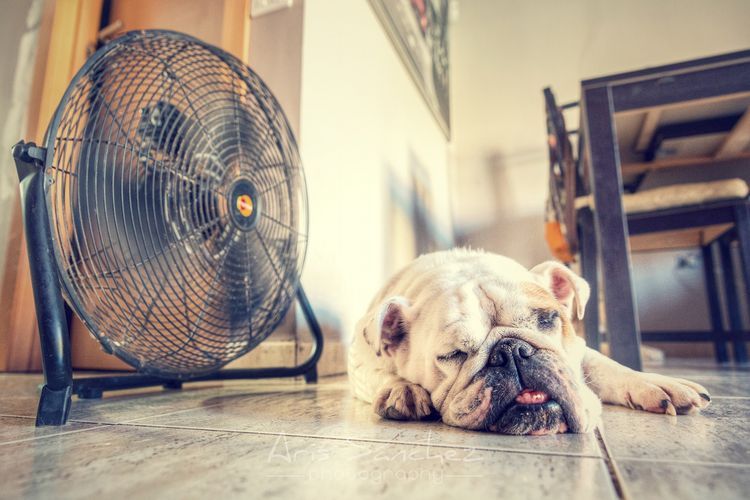
However, breed isn't the primary factor in a dog's heat tolerance. Protecting your pet from overheating, proper housing, and proper nutrition are key to ensuring your pet's well-being in hot weather.
Read also:
- Can you bathe a dog in hot weather?
- Do dogs sweat?
- Why does a dog stick out its tongue in hot weather?


Add a comment