
What is the name for excessive love of cats?
Keeping an excessive number of pets and experiencing an unhealthy attachment to them is considered a sign of a mental disorder. What is the name for an excessive love of cats? If the owner literally can't imagine life without their pets, constantly pampering them with treats, while denying themselves even the most basic needs, it could be a specific disorder. This condition is called ailurophilia.
Literally translated from Greek, the term means "love of cats," but in reality, ailurophilia is considered a serious mental disorder. It can be dangerous not only for the breeder but also for those around them, as it is accompanied by a loss of control, social isolation, and a distorted perception of reality.
Content
Dangerous symptoms of the disease
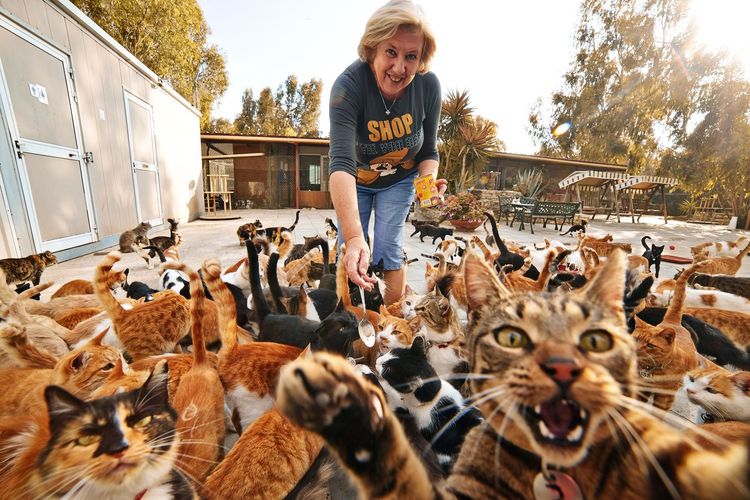
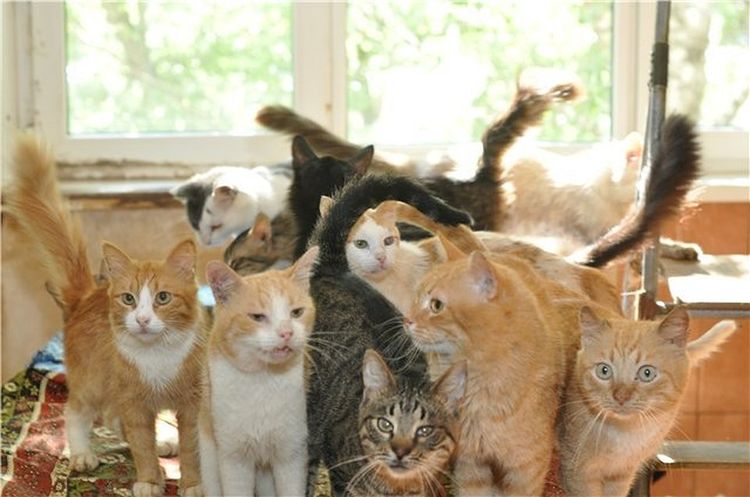
An unhealthy passion for pets can be expressed when a person keeps a large number of cats in their home but is unable to provide them with adequate living conditions. This compromises their own quality of life, ignoring the overcrowding and unsanitary conditions.
Excessive love for cats is a pathological condition that only worsens without proper treatment. It's important to consult a doctor promptly to diagnose the condition. Symptoms often include the pet owner:
- doesn't get enough sleep at night because he's worried about disturbing his furry friend sleeping next to him in bed;
- he endures until the last minute and does not go to the toilet or do other things if a cat is snuggled in his arms;
- gets up at night to please his pitifully meowing pet with milk or sausage;
- takes pity on every homeless kitten and brings it home;
- do not close the door to the toilet or bathroom so that the pet is not afraid of loneliness and does not become sad;
- constantly tells everyone about the pranks of his four-legged friend, his passions and desires;
- buys red caviar and fish for his beloved cat with his last salary, denying himself basic vegetables and fruits;
- has more photos of the cat all over the house than photos of relatives and children.
Warning! Stories involving a strong love for cats don't always end happily. When a large number of animals congregate in a small apartment, they begin to reproduce rapidly, become sick, and die of starvation or other feline diseases. Dirt, noise, stench, and an unbearable odor make life difficult not only for the rest of the household but also for all the neighbors.
Reasons for the development of unhealthy addiction
Western scientists have conducted research and found that a mental disorder associated with a pathological love of cats primarily affects lonely, elderly women. However, younger people, including men, also suffer from this disorder. This psychological disorder often develops after serious emotional trauma or the loss of a family member. Those at risk include those with the following personality characteristics:
- lack of stable social contacts;
- low self-esteem;
- prolonged depression;
- constant lack of self-confidence;
- emotional instability.
Having a large number of cats in the house fills a void in the soul. Pets make their owners feel important and even superior, because they are being waited upon and loved by living creatures. They depend on them and literally jump on their hind legs to attract attention and beg for treats.
Who might suffer from ailurophilia?
Elderly people without close relatives and experiencing a lack of attention and care are at increased risk. A particular factor is that cats, unlike dogs, do not require regular walks. This allows people to remain at home for long periods, in their "cocoon," completely focused on their pets. However, ailurophilia also occurs in middle-aged people.
This disorder often manifests in people with difficult personalities and a tendency toward conflict. Tired of arguments and misunderstandings in their environment, they direct all their attention to calm and affectionate cats, who are impossible to quarrel with, finding them a source of emotional comfort.

How to Treat an Unhealthy Love of Cats
Only an experienced specialist can make an accurate diagnosis and prescribe comprehensive treatment. More precisely, a consultation of several doctors—a psychiatrist, a psychotherapist, and a psychologist—is necessary. Often, people with mental illnesses refuse to admit they have a mental disorder and refuse treatment. In such situations, the support of loved ones who can find reasonable arguments is essential.
In severe cases, people with an unhealthy passion for animals should undergo treatment in a mental health clinic. During this time, it's best to place their four-legged friends in the care of volunteers or shelters, where they have a real chance of finding adequate homes and living in normal conditions. False compassion and indifference from others often lead to the death of all the pets of the ill person, while the person themselves loses all social connections and undermines their own health.
Read also:
- Why do cats have rough tongues?
- How many cat breeds are there in the world?
- The structure of a cat's eye


1 comment
Yana
Some loser wrote an article about the mental disorder that comes with owning more than one cat. But it doesn't occur to me that there are simply more compassionate people than those who advance such theories, which are completely unfounded and unproven. And the fact that there's a saying, "The more I get to know people, the more I love animals," says something. And no one can help cats (or dogs) except us, humans. Keep cats as long as you like, but they should be spayed or neutered to prevent odors in and around the apartment. And, of course, maintain hygiene and do daily wet cleaning.
Add a comment