
How to teach a dog to fetch a stick and other things
A professional dog trainer can help train a dog to retrieve and return a stick, toy, or other object. The "fetch" command is practiced once the animal has mastered the basic training program. The first training sessions should take place when the pet reaches six months of age. The owner must be present during training sessions to learn the rules of working together with the puppy.
Content
Features of training
Training begins when the puppy reaches 5-7 months of age and has mastered basic commands such as "heel," "no," and "sit." By this time, the puppy should be able to hold toys securely in its mouth. The first training sessions are best conducted at home, in a familiar environment. After 1-2 weeks, training is moved outdoors, choosing quiet corners to prevent the dog from being distracted by passersby and other dogs. Before this age, vigorous training is contraindicated—the skeleton of a growing animal is still too weak, and intense physical activity can lead to injury.
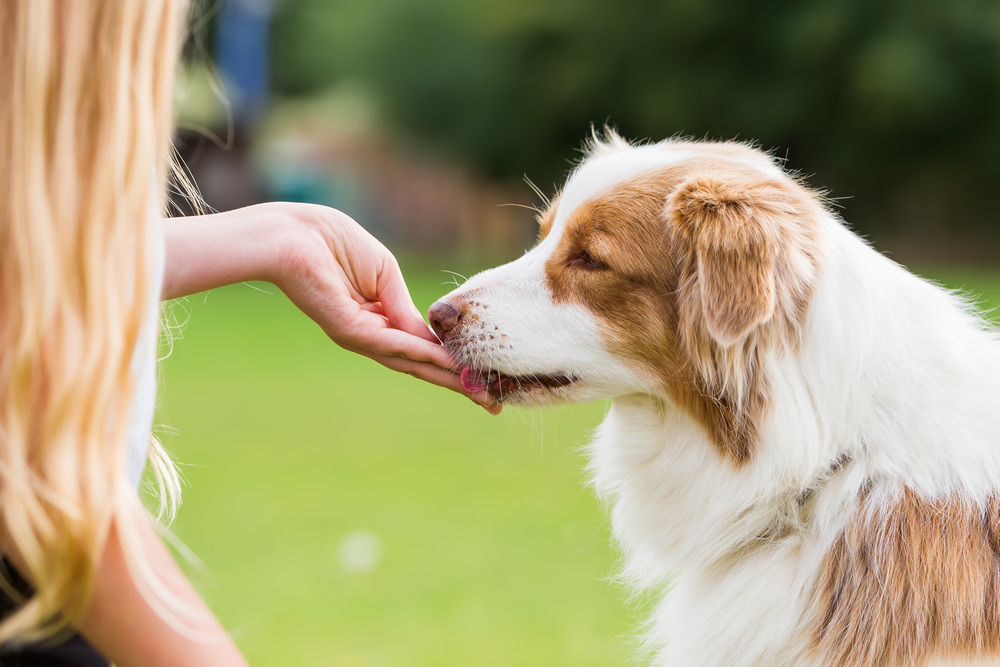
First, train on a leash. When the puppy begins to clearly follow commands, returning to the owner with the object, the strap can be unfastened. Gradually increase the distance to which the ball or other toy is thrown. Correct execution of the command should initially be accompanied by a treat.
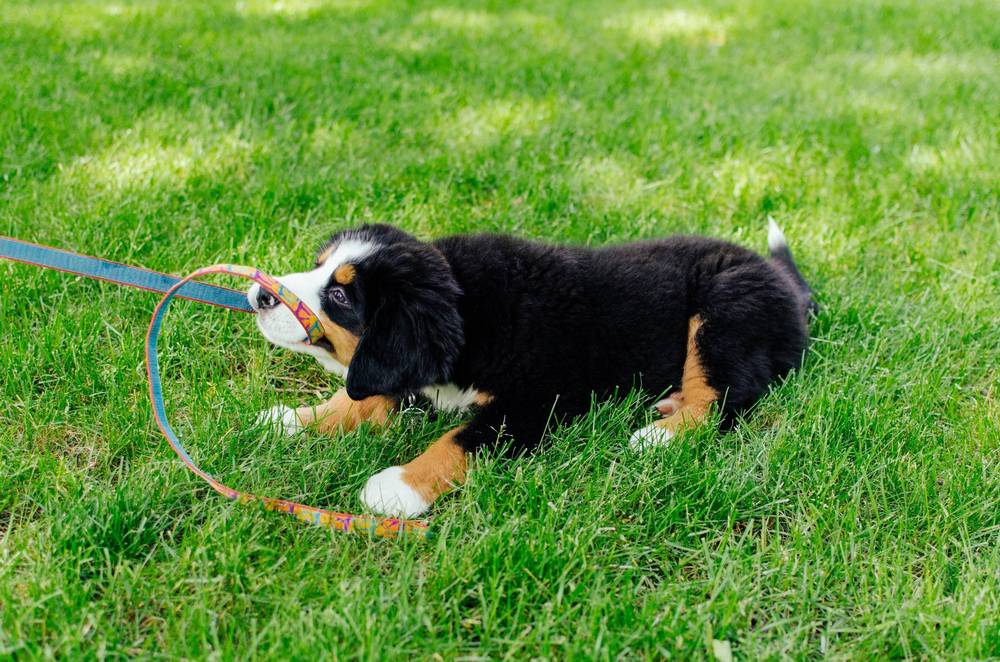
Initial training sessions should last no longer than 10 minutes. Subsequently, the time can be increased to 20-25 minutes, with up to three sessions per day. Throwing toys is not allowed more than three times per session – the animal should be playing happily and showing no signs of fatigue. It's best to alternate sessions with teaching other commands to keep the puppy interested.
How does the training work?
The owner's goal is to develop a consistent response to "fetch," which combines two commands—"bring" and "give." For training, it's important to select a suitable object. If the puppy perceives training as an engaging game, learning will proceed more quickly. Therefore, it's best to use a small ball or another favorite toy.
First, the dog is taught the command "fetch":
- You need to take a small object in your hand and lightly tease the baby, attracting his attention.
- Throw the toy while loudly saying "fetch." The puppy must actively respond to the command—run after the toy.
- Once the animal takes the ball or squeaker in its mouth, it must be coerced into returning to the owner. This return is achieved by pulling on the leash.
An untrained dog, having picked up an object from the ground, continues to play happily and does not give it back to its owner. Therefore, it is important to develop a new skill – returning the object to the person.
How to train a puppy to give up an item:
- You shouldn't use force when trying to pull the toy out of clenched jaws - the dog should give up the toy voluntarily.
- You need to exchange the item for another one or for a treat by giving the command “give”.
With some effort, patience, and watching professional videos, you can train almost any pet to fetch. To make the task easier for your pet, choose the right toy.
What items are allowed in training?
Owners of large breeds typically train their puppies using a stick. The object should be chosen carefully. It's best to use a wood surface that's smooth and even enough to prevent a knot from injuring the mouth or leaving a splinter in the jaw area.
If your dog is throwing a favorite toy, it's best to choose a squeaker. The sound made when the dog's jaws squeeze the toy will generate additional interest, making them more willing to play. At home, you can use any item your pet shows interest in, even ordinary slippers.
Teaching commands to small decorative breeds is problematic – the mouths of Spitz and Chihuahuas are not adapted for carrying objects.
How to teach a complex fetch
Large dogs can be trained to carry bags or suitcases for their owners during trips to the market if training begins in puppyhood. Adult pets are much more difficult to train. However, if the animal has already mastered the "heel" command, training is easier.
During training, when the dog returns to the owner with the toy, give the command "heel" and use the leash to ensure the puppy continues to walk in the same direction as the owner. Correct execution is rewarded with a tasty treat.
It's a good idea to teach hunting breeds the skill of fetching something edible—a piece of cheese, a cracker, or another treat. This training will allow the dog to bring down game to its owner. Initially, it will be difficult for the animal to resist the urge to gobble up the treat, so an additional incentive is needed. This incentive comes in the form of a more delicious treat. The dog should be confident that in exchange for the cracker, it will receive a piece of sausage or other treat.
Advice from the pros
To train a dog to bring and return things to its owner, it is necessary to take into account several important factors:
- You need to select the equipment and accessories in advance - a long leash, comfortable items;
- Every successful attempt should be encouraged by giving treats and praising your pet;
- train only in a playful manner.
Dog trainers do not recommend feeding your dog before training, as a full stomach reduces activity and the motivation to work for a tasty morsel disappears.
It is important to pay attention to the animal's well-being - physical activity is unacceptable when the pet shows signs of weakness.
During training, inexperienced owners often encounter 3 problems when the dog:
- does not listen to orders;
- does not execute commands correctly;
- refuses to perform.
With the first two problems, both the owner and the pet lack basic knowledge, which can be easily acquired by visiting a dog trainer. When the animal refuses to take an object in its mouth, pick up the object and place it in its jaws, squeezing gently, and holding it there for a few seconds.
Professionals advise against using deceptive movements during training, such as pretending to throw something. This "game" confuses the animal and reduces its interest in training. Physical punishment for missed shots is also unacceptable.
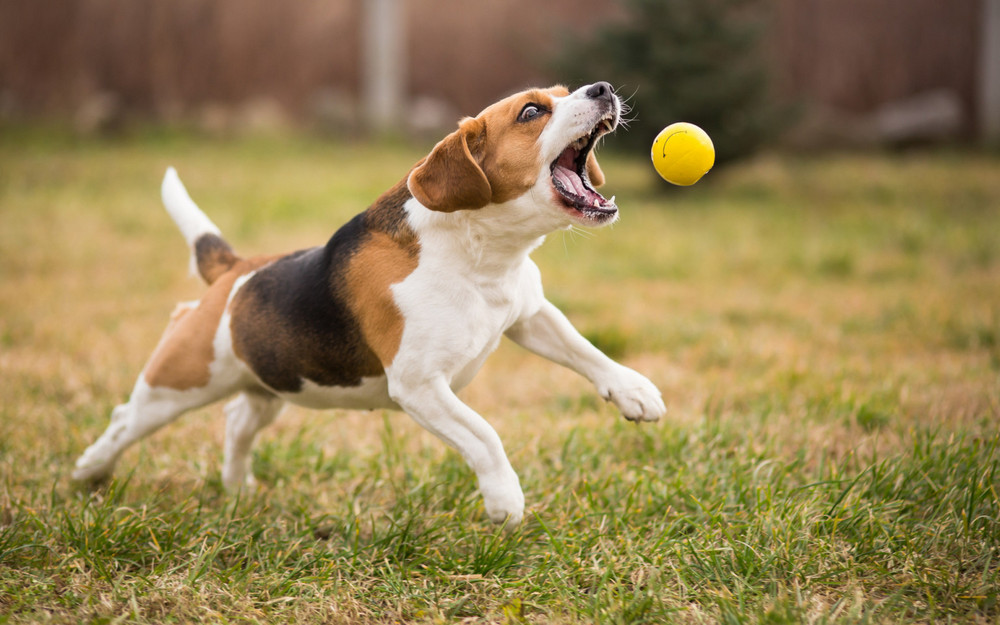
The "fetch" command isn't part of the basic training program. However, developing the skill of retrieving toys will make walks more interesting and exercise more intense. Active games will help strengthen the puppy's core muscles and skeletal system and reduce the risk of developing musculoskeletal disorders. The key is for the owner to exercise maximum patience and, even when training with a dog trainer, to participate directly in training to ensure complete obedience.
Read also:
- How to teach a dog commands: a list of commands
- Basic concepts of training domestic dogs
- How to teach a dog to lie down


Add a comment